





Antique Sterling Porringer
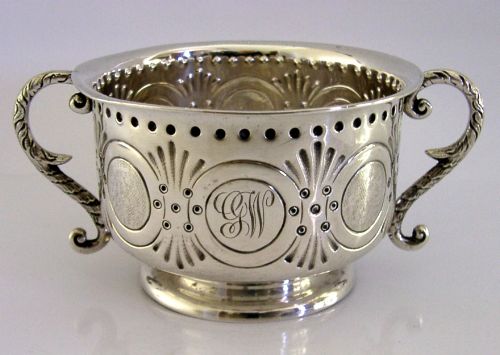
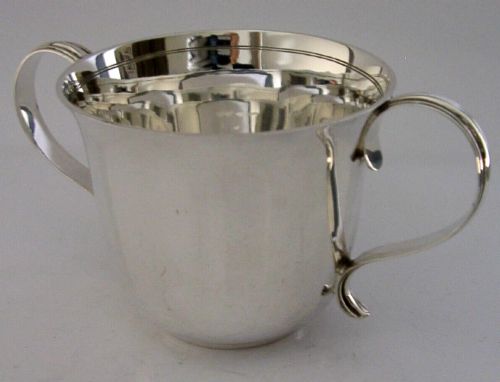
These antique sterling porringer pieces are small, two-handled drinking vessels and bowls that bring tactile early silver into modern hands.
Antique Sterling Porringer
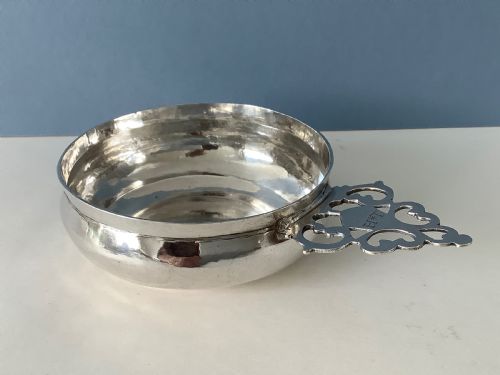
An antique sterling porringer is a small, typically two-handled vessel designed for domestic use, emerging in forms ranging from plain shallow bowls to chased ceremonial cups. When you search for an antique sterling porringer, you encounter items spanning the late seventeenth century through the Edwardian era and the 1920s.
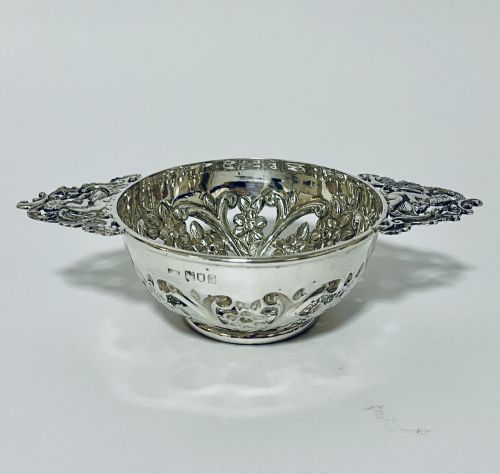
The versions most commonly met on this page include seventeenth-century examples featuring embossed decoration and cast scroll handles, alongside later Georgian and Edwardian iterations. These pieces often double as christening bowls or presentation vessels, reflecting their enduring utility across different generations.
How they were made
Silversmiths hammered these vessels from sterling silver or Britannia standard silver, shaping flat sheets into deep bowls and soldering on cast handles. Artisans employed techniques such as chasing and embossing to decorate the body with flora, fauna, or heraldry.
Some seventeenth-century and later pieces incorporate fitted leather, velvet, or silk linings within presentation boxes, protecting the precious metal while enhancing the tactile presentation of the silver.
Antique Sterling Porringer Retail Price Guide 2026
Typical asking prices for sterling porringer among the pieces listed under this phrase on Sellingantiques today, from the lower quarter to the upper quarter. They describe what is for sale here now, not the wider market.
Some seventeenth-century vessels doubled as bleeding bowls, proving that medical procedures could occasionally involve surprisingly shiny silverware.
What varies in quality
Quality rests upon the crispness of the chased decoration and the original weight of the metal relative to the size of the vessel. Heavier examples retain structural integrity and legible hallmarks without excessive thinning from historical cleaning.
The execution and articulation of the cast scroll handles differentiate standard domestic output from finer workshop productions. Maker marks and clear date letters preserve the integrity and historical documentary value of the piece.
Thomas Sutton·PH
The Antique Sterling Porringer Glossary
- Porringer
- A small bowl or vessel furnished with one or two handles, used historically for porridge, broth, or bleeding. It survives primarily as a decorative or christening piece.
- Britannia standard silver
- A higher fineness of silver than sterling, introduced by law in England in 1696 to prevent the melting of coinage. It contains ninety-five point eight percent pure silver.
- Chasing
- A metalworking technique where the smith pushes the metal from the front using hammers and punches to create raised relief designs. It decorates the exterior without removing material.
- Hallmark
- An official stamp applied to precious metals indicating the standard of purity, the assay office, and the date letter. It serves as a secure record of origin.
- Quaich
- A traditional shallow two-handled drinking vessel originating in Scotland, occasionally found alongside English porringer forms. It emphasises simple geometric staves or plain silver surfaces.
Antique Sterling Porringer: Frequently Asked Questions
What was a porringer used for?
These vessels were originally utilised for consuming soft foods such as porridges, broths, and possets during the seventeenth and eighteenth centuries. Over time, their domestic function shifted towards ceremonial presentation uses and traditional christening gifts.
As eating habits evolved, the form survived primarily as a display piece or a baptismal bowl, often engraved with family initials or dates to mark significant life events.
How do I identify a seventeenth century porringer?
Seventeenth century pieces often display distinct characteristics such as embossed botanical motifs, spiraling flutes, and solid cast scroll handles. They frequently utilise Britannia standard silver, which denotes the stricter purity regulations enforced during that era.
Examining the placement and style of the hallmarks helps confirm the period. Early makers utilised punch marks that differ significantly from later Victorian and Edwardian stamp placements.
Why do some porringers have covers?
Covered versions were designed to keep warm foods or liquids insulated before consumption at the table. The addition of a matching lid elevated the status of the vessel for wealthy households and presentation purposes.
Survival rates for matching lids are lower than for the bowls alone, making complete covered sets notable examples of domestic silver work.
How should I display silver porringers?
Living with these pieces involves placing them on stable wooden surfaces or within enclosed cabinets where the metal is protected from excessive atmospheric moisture. Regular, gentle dusting prevents the accumulation of grime in the chased recesses.
Avoid aggressive chemical polishing, which can wear away crisp chased details and soften historical maker marks over time.