

Antique Sterling Napkin Rings
These antique sterling napkin rings bring silver from Victorian, Edwardian, and mid-century dining tables into modern homes.
Antique Sterling Napkin Rings
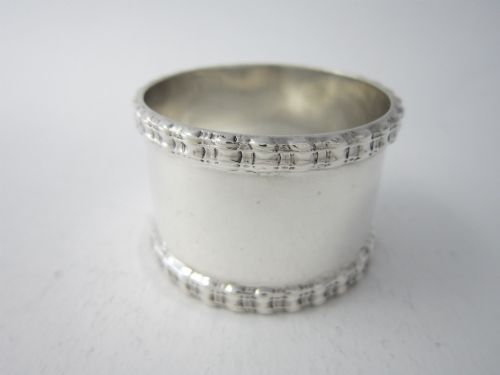
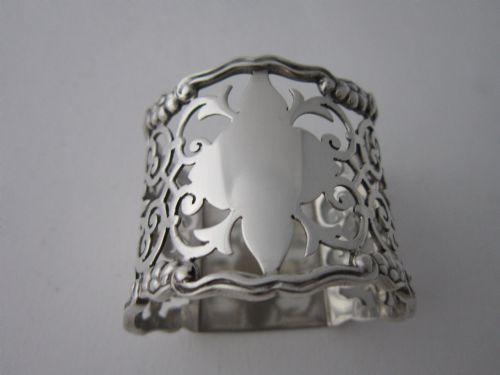
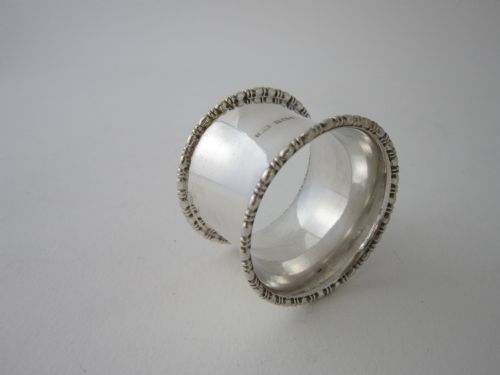
When searching for antique sterling napkin rings, buyers encounter single pieces, matched pairs, and larger cased sets designed for the dining table. Many examples originate from the Victorian and Edwardian eras, continuing through the George V and George VI periods into the mid-century.
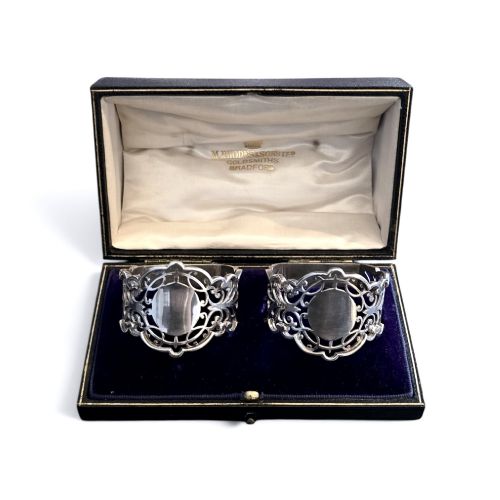
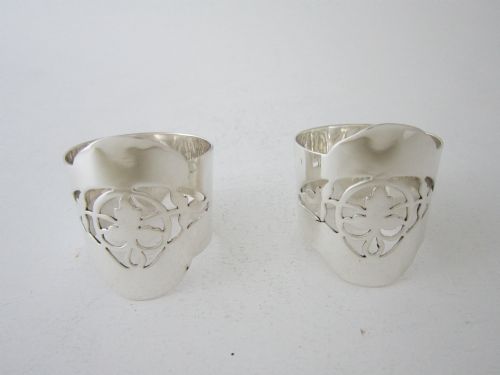
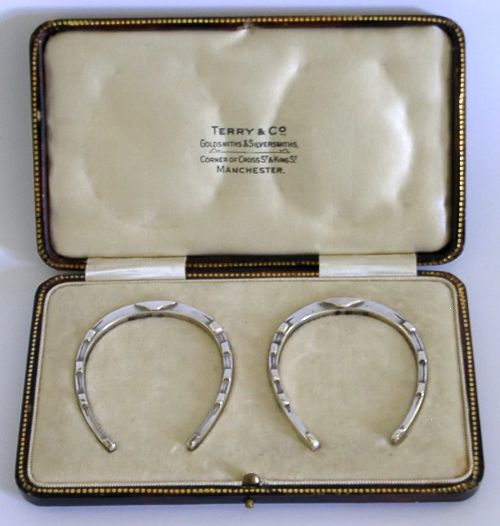
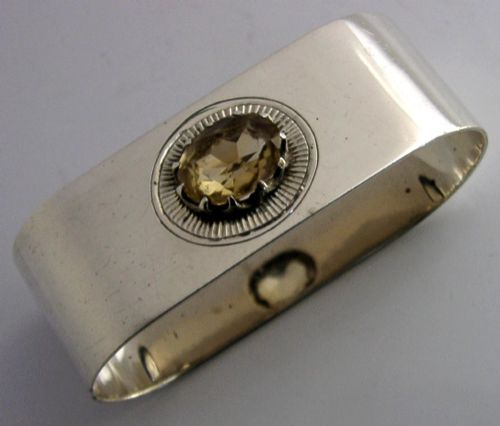
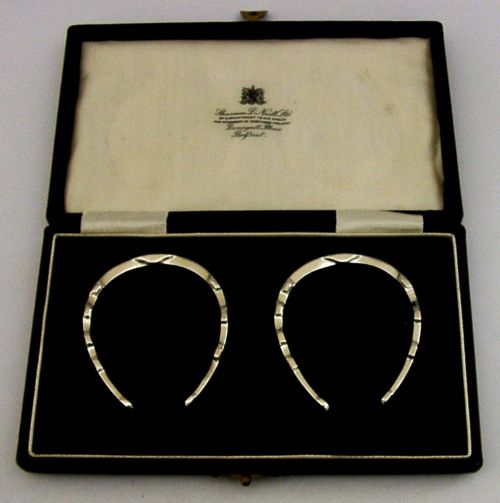
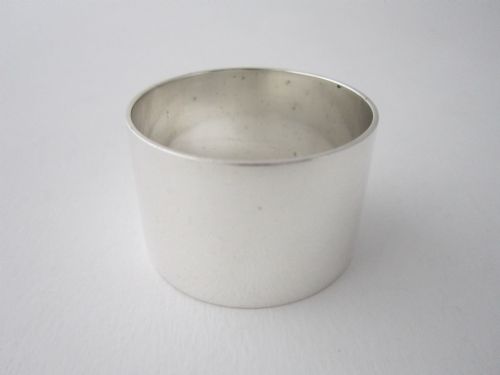
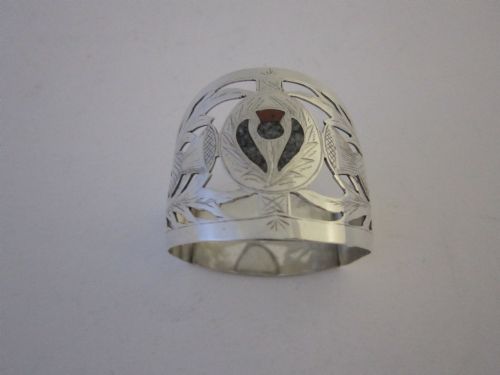
The inventory includes specialised forms such as horseshoe motifs, belt designs, and citrine or agate gemstone settings alongside plain polished bands. Christening sets often appear alongside these rings, occasionally paired with original presentation boxes lined in silk or velvet.
Materials and Technique
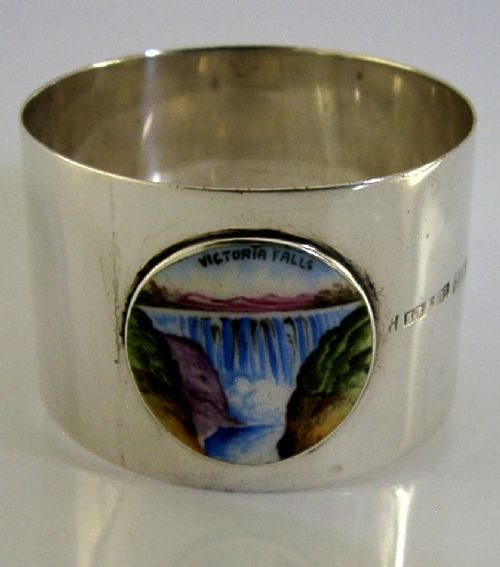
Silversmiths shaped solid sterling silver into cylindrical and shaped bands, utilising techniques like hand hammering seen in Arts and Crafts examples. Some pieces incorporate vitreous enamel decoration or inset gemstones such as citrine and agate.
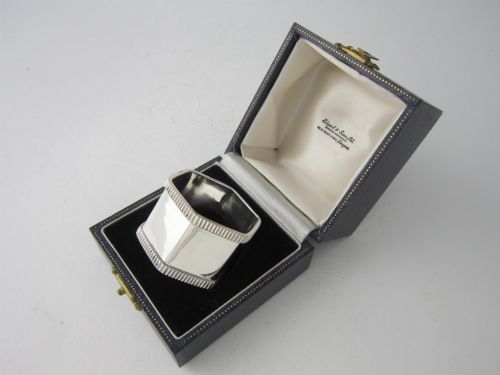
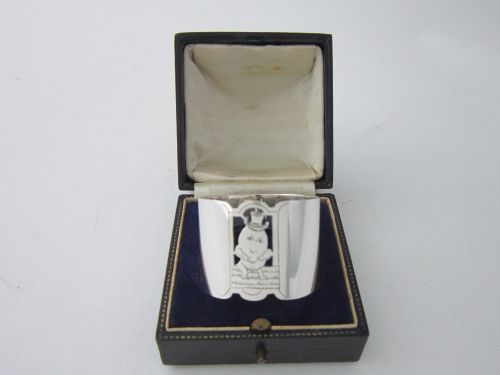
Makers housed many of these items in fitted leatherette cases featuring interior linings of silk and velvet to protect the polished metal during storage and presentation.
Antique Sterling Napkin Rings Retail Price Guide 2026
Typical asking prices for sterling napkin rings among the pieces listed under this phrase on Sellingantiques today, from the lower quarter to the upper quarter. They describe what is for sale here now, not the wider market.
Listings span several decades of British silver production, moving from late Victorian and Edwardian designs through George V, George VI, and mid-century modern eras.
Craftsmanship and Weight
The distinction between standard examples and superior work rests on metal gauge, depth of hand-engraving, and the inclusion of original presentation containers. Heavy gauge sterling silver maintains its structural integrity and crisp hallmarks over decades of handling.
Specialised decorative details, such as complex enamel work or applied horseshoe motifs, require advanced silversmithing skills that elevate the execution beyond plain stamped bands.
Martin Hall & Co·Albert Edward Jones·C.T. Burrows & Sons·Tiffany & Co·Liberty & Co·Mappin & Webb·Cartier·R. E. Stone
The Antique Sterling Napkin Rings Glossary
- Sterling Silver
- A standard alloy composed of pure silver and other metals to ensure durability for functional items. This material forms the primary body of all items found in this category.
- Hallmark
- An official stamp applied to precious metals indicating the standard of purity, the assay office, and the date letter. These marks allow collectors to date pieces precisely.
- Assay Office
- An organisation charged with testing the purity of precious metals and stamping them with official town marks. Birmingham and Sheffield offices appear frequently in these listings.
- Cased Set
- A group of items housed in a fitted presentation box, frequently lined with silk or velvet. These boxes often retain their original outer leatherette covering.
Antique Sterling Napkin Rings: Frequently Asked Questions
How do I date an antique napkin ring?
Collectors determine the age of silver by reading the assay office marks and date letters stamped directly onto the metal. These small punches identify the exact year the piece passed through testing.
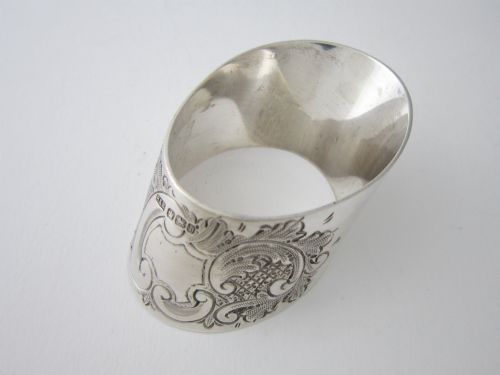
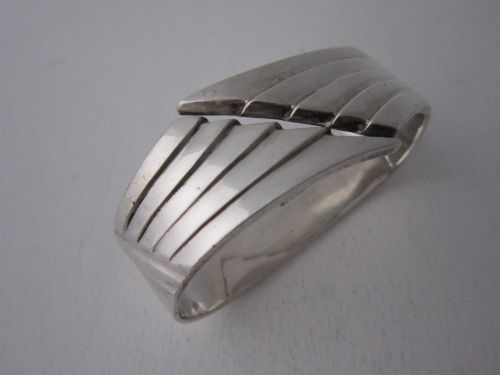
Additional clues come from the overall style, such as Victorian scrollwork, Edwardian simplicity, or later Art Deco geometric forms.
Were these rings used individually or in sets?
Dining tables of the late nineteenth and early twentieth centuries utilised matched sets so each family member or guest had a distinct marker at their place setting. Single rings and pairs also served as individual gifts for christenings and birthdays.
Many surviving pieces retain their original fitted boxes, indicating they were kept as presentation items rather than daily tableware.
What is the difference between Edwardian and Victorian styles?
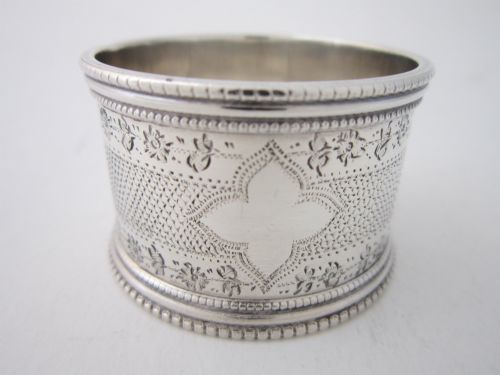
Victorian examples often feature heavier ornamentation, deep relief engraving, and substantial gauge silver intended for robust daily use. Designs from this period frequently incorporate naturalistic motifs like belts or floral patterns.
Edwardian pieces generally lean towards lighter, more restrained forms with smooth surfaces or delicate borders that reflect changing tastes in dining aesthetics.
Are cased napkin rings more collectible?
Original presentation cases add context and protection to silver items, making them particularly desirable for collectors who appreciate complete survivals. Silk and velvet linings preserved inside leatherette boxes show how retailers originally marketed these luxury goods.
Items stored in original boxes tend to retain crisper hallmarks and less surface wear from handling.