


Antique Sterling Napkin Clip
These antique sterling napkin clip pieces are small table accessories that keep linen in place, offering useful silver craft for modern dining tables.
Antique Sterling Napkin Clip
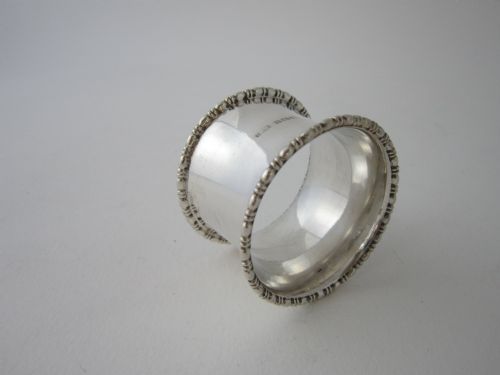
An antique sterling napkin clip brings refined silver work to the dining table, taking the form of rings and clips made for everyday dining or formal settings. You will frequently encounter sturdy rings and distinct clip fasteners from the Victorian, Edwardian, and Art Deco periods.
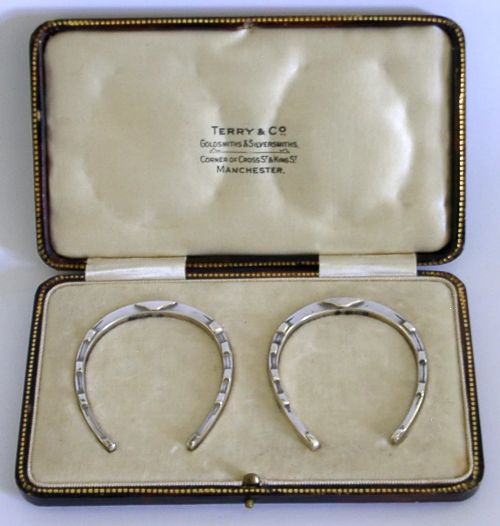
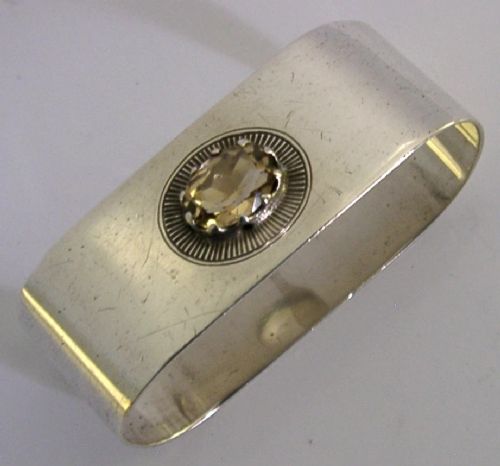
The selection ranges from plain silver bands to elaborate designs featuring horseshoe motifs, shield shapes, and decorative stones. Makers of the early twentieth century produced both individual items and boxed sets intended for formal dining tables.
How they were made
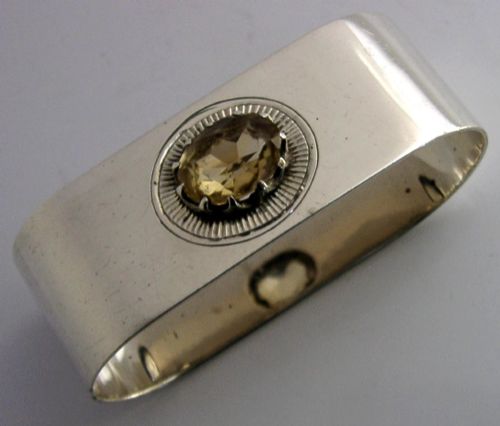
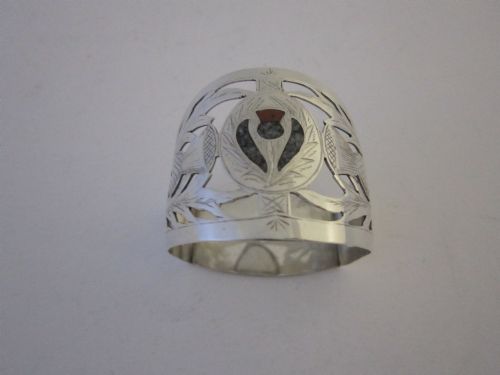
Silversmiths formed these pieces using solid sterling silver, shaping the metal into cylindrical bands or spring-loaded clip mechanisms. Many examples incorporate textured elements, such as engine-turned guilloche enamel or mounted hardstones like citrine and agate.
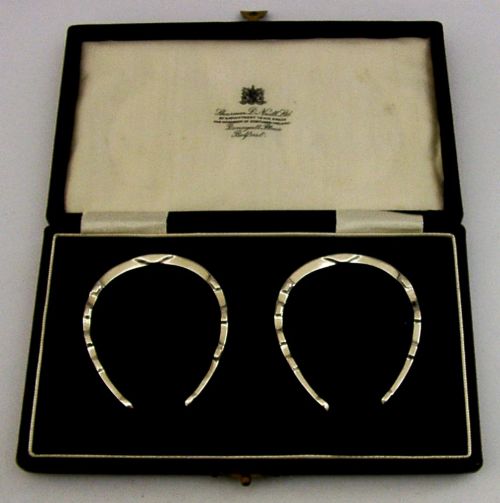
Fitted presentation boxes lined with velvet, satin, and silk often accompanied cased sets, protecting the silver work during storage and transport.
Several silver napkin rings adopt lucky horseshoe shapes, ensuring that table manners come with a touch of equestrian good fortune.
What varies in quality
Quality rests in the weight of the sterling silver and the crispness of the chased or engraved decoration. Pieces featuring integrated gemstones or applied enamel work represent a higher standard of decorative silversmithing.
The presence of an original fitted case lined with silk or velvet adds to the integrity of the piece, showing how the item was preserved over time.
David Andersen
The Antique Sterling Napkin Clip Glossary
- Sterling silver
- A silver alloy containing 92.5 percent pure silver by mass and 7.5 percent other metals, usually copper, chosen for durability.
- Guilloche
- A decorative technique in which a precise, intricate pattern is mechanically engraved into an underlying metal surface, often covered with translucent enamel.
- Citrine
- A transparent, yellow variety of quartz stone occasionally mounted into silver table wares as a decorative accent.
- Agate
- A rock consisting essentially of cryptocrystalline quartz, valued for its banded appearance when polished and set into silver pieces.
Antique Sterling Napkin Clip: Frequently Asked Questions
What is an antique sterling napkin clip used for?
These pieces were designed to secure table linen during meals, keeping napkins neatly fastened or identified at the place setting.
Today, collectors use them on dining tables or display them as examples of early twentieth-century silver work.
How do I identify the period of a silver napkin ring?
Makers often relied on distinct artistic movements, shifting from ornate Victorian styles to geometric Art Deco forms by the 1920s and 1930s.
Examining the overall shape, decorative motifs like horseshoes or shields, and any accompanying presentation boxes helps narrow down the decade of manufacture.
Are cased sets common for these silver pieces?
Fitted presentation boxes appear frequently with multiple rings, often lined with materials like satin or velvet to keep the silver secure.
These boxed sets were typically given as gifts for weddings or other major household occasions.
What materials besides silver are found on these pieces?
Some designs incorporate natural stones such as citrine and agate set directly into the metal band.
Enamel work over engraved metal surfaces also appears on select pieces from the Edwardian and Art Deco periods.