




Antique Sterling Goblet
An antique sterling goblet represents centuries of silversmithing skill, offering a tactile drinking vessel or display piece rooted in Georgian and Victorian traditions.
Antique Sterling Goblet
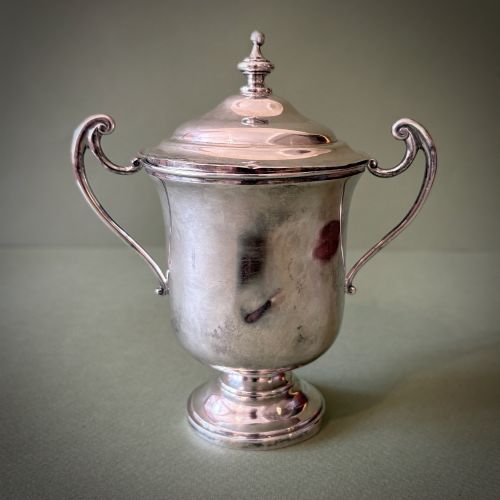
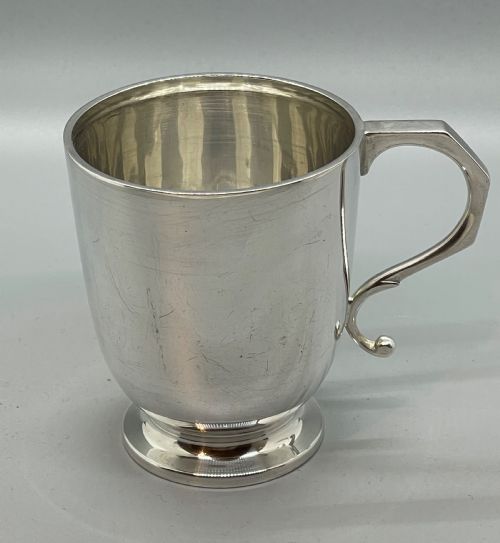
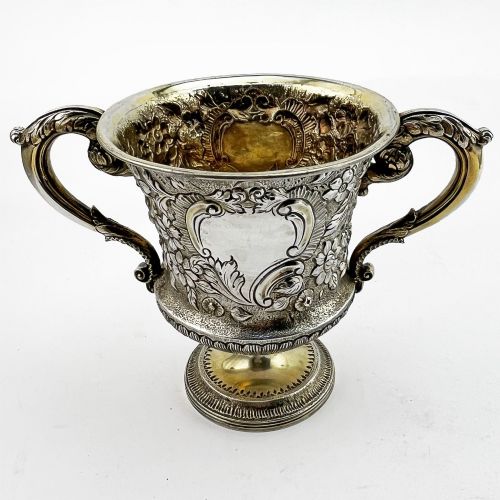
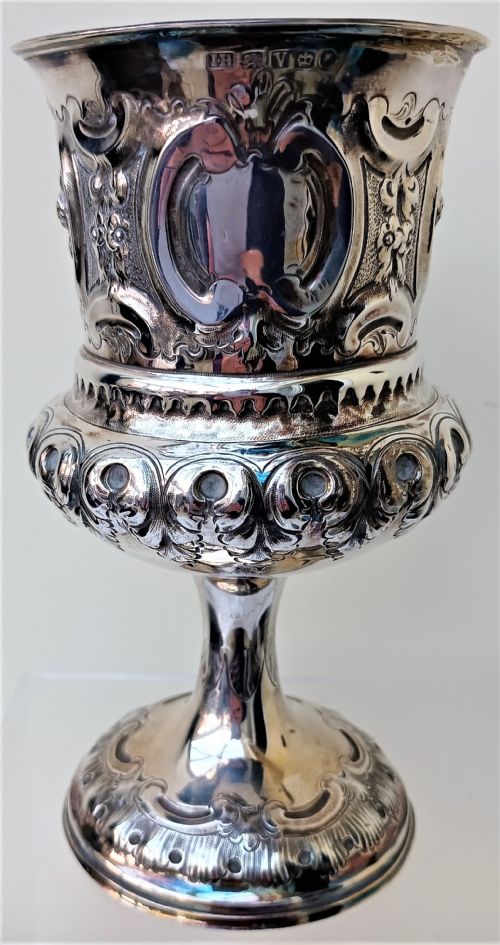
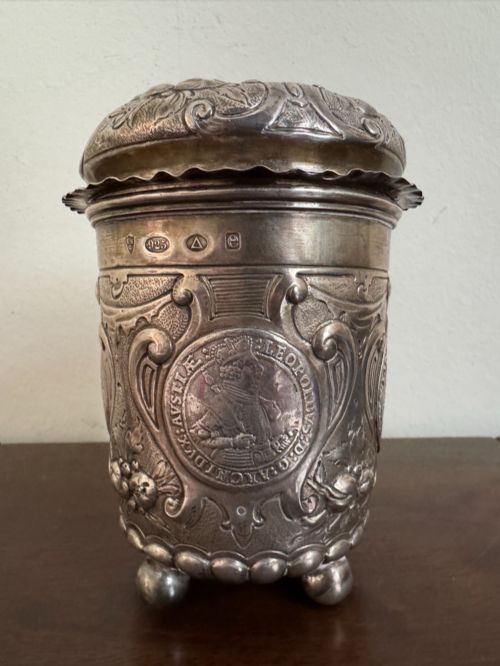
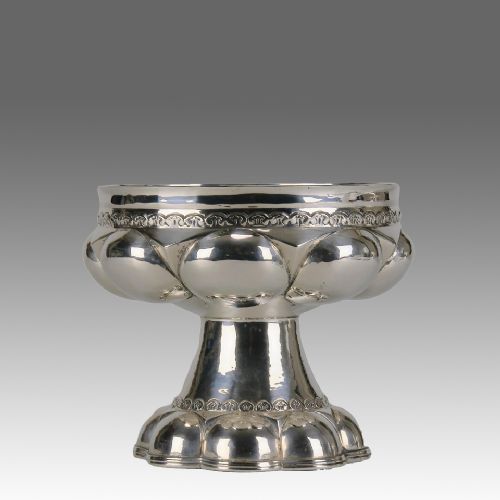
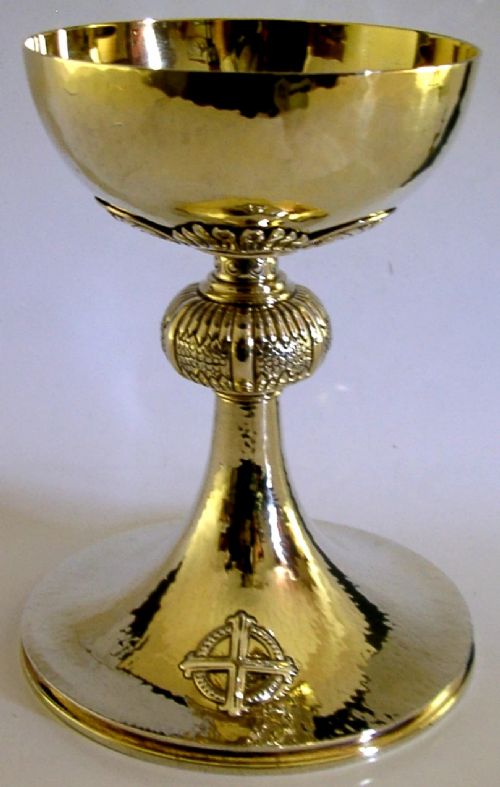
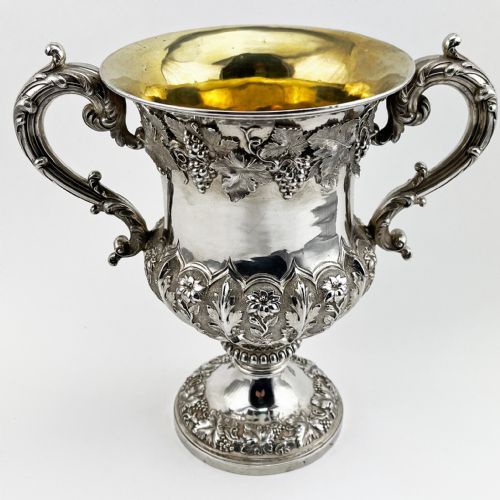
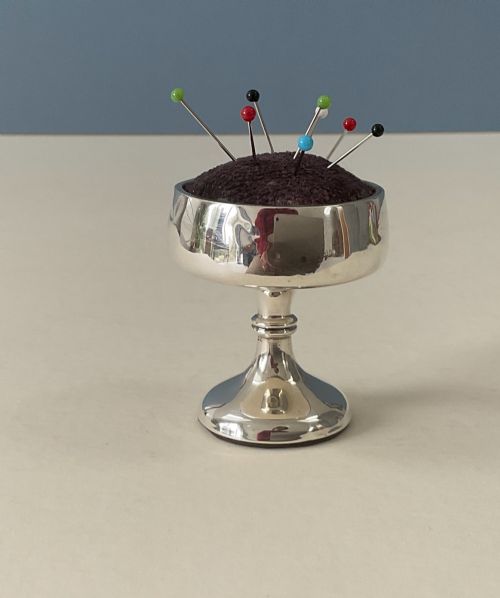
The search for an antique sterling goblet encompasses a diverse array of drinking vessels, presentation cups, and chalices shaped from solid silver. Buyers routinely encounter forms ranging from slender wine vessels to heavy sports trophies and two-handled loving cups.
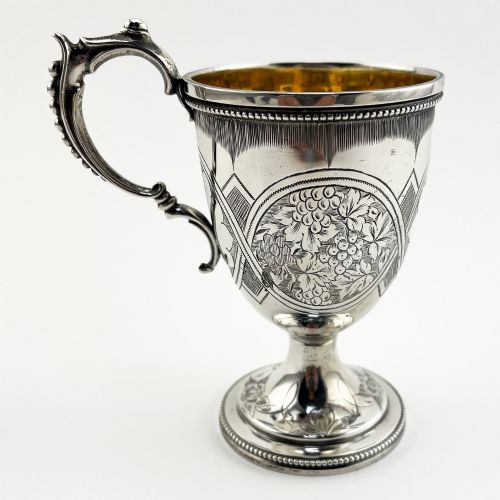
Design variations include plain vase-shaped bodies, pieces adorned with parcel gilding, and variants featuring intricate floral engraving or bright-cut borders. Certain items combine sterling mounts with stoneware bodies or glass liners.
How They Were Made
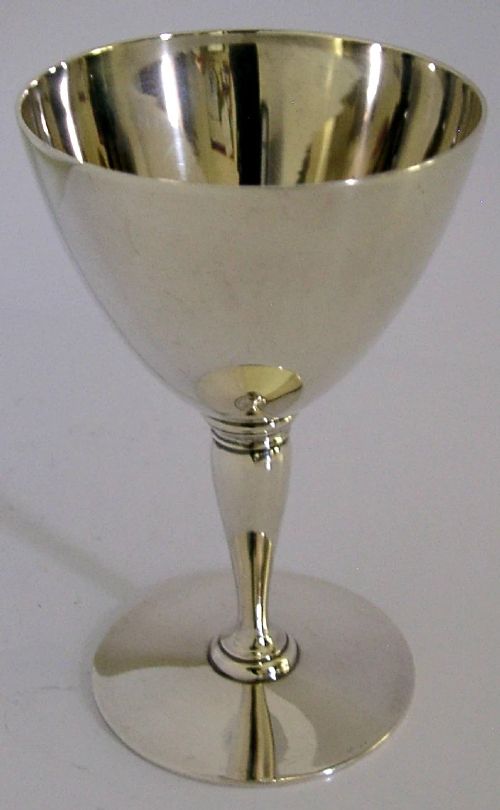
Silversmiths primarily utilised sterling silver, shaping sheet metal through raising and spinning techniques to form the characteristic bowl and stem. Many examples incorporate partial gilding or vermeil finishes, applying a thin layer of gold to the interior surfaces.
Decoration relied heavily on manual skill, employing techniques such as chasing, repoussé, and hand engraving to create arabesque motifs, coats of arms, or presentation inscriptions. Makers integrated cast components like handles and pedestals onto the main body through soldering.
Antique Sterling Goblet Retail Price Guide 2026
Typical asking prices for sterling goblet among the pieces listed under this phrase on Sellingantiques today, from the lower quarter to the upper quarter. They describe what is for sale here now, not the wider market.
Listings feature sterling silver, gilt surfaces, and stoneware combinations spanning the Georgian, Victorian, and Art Deco eras.
What Varies in Quality
The calibre of an antique sterling goblet depends significantly on the crispness of its hand-engraved details and the structural heft of the metal. Thicker gauge silver resists dents and maintains structural integrity across the stem and foot over centuries of handling.
The distinction between standard production pieces and superior examples often rests on the reputation of the maker and the complexity of the cast ornamentation. Presentation pieces bearing detailed provenance or bespoke heraldic engraving typically represent higher tiers of craftsmanship.
Nathan and Hayes·John Hunt and Robert Roskell·William Eaton·James Deakin and Sons·Henry Tatton and Son·Richard Gurney·Joseph Rodgers and Sons·Thomas Sutton·William Hutton
The Antique Sterling Goblet Glossary
- Sterling Silver
- An alloy consisting of 92.5 percent silver by mass, combined with other metals for increased durability. This standard forms the baseline for British and international antique silver vessels.
- Parcel Gilt
- A surface treatment where specific areas of an object, usually the interior bowl, receive a coating of gold. This technique protects the silver from acidic contents like wine.
- Bright-Cut Engraving
- A faceted engraving technique created with V-shaped chisels that reflects light from multiple angles. It gained popularity on Georgian silverware for geometric and floral borders.
- Repoussé
- A metalworking method where the artisan hammers the design from the reverse side to form raised relief patterns. It frequently appears on Victorian and continental European presentation pieces.
- Chalice
- A large ceremonial cup, typically featuring a stem and foot, used historically for ecclesiastical purposes or communal drinking. Antique examples often share forms with secular presentation goblets.
Antique Sterling Goblet: Frequently Asked Questions
What were antique sterling goblets used for?
These vessels served functional roles at the dining table for wine and spirits, as well as formal roles in ceremonies and banquets. Many functioned as presentation pieces, awarded for sports victories or community milestones.
Over time, households displayed them on sideboards or kept them housed in protective cases. Their dual purpose as both drinkware and commemorative objects explains their survival in varied forms.
How do I identify the age of a silver goblet?
British pieces typically rely on hallmark stamps, which include date letters, maker marks, and assay office symbols indicating cities like London or Sheffield. Comparing these stamps against historical hallmarking charts reveals the exact year of production.
Stylistic cues also assist with dating, as Georgian items favour neoclassical vase shapes while Victorian examples often feature heavy embossing or engraved flora. Examining the weight and construction methods provides further context regarding the manufacturing era.
Can I drink from an antique silver goblet?
Consuming beverages from solid silver pieces remains structurally possible, provided the interior surface is clean and free of heavy tarnish. Historically, wine and water found regular placement in these vessels.
Users should avoid exposing antique silver to harsh abrasive cleaners or acidic liquids for extended periods. Modern owners often reserve them for celebratory toasts or display purposes.
How should I clean and store my goblet?
Maintenance requires mild soap, warm water, and a soft cloth to remove dust and light tarnish without scratching the metal. Dedicated silver polish should be used sparingly to preserve underlying engravings and hallmarks.
Storage in dry environments away from direct sunlight prevents rapid oxidation. Acid-free tissue paper or anti-tarnish bags help maintain the polished finish during extended periods in a cabinet.