


Antique Sterling Buckle
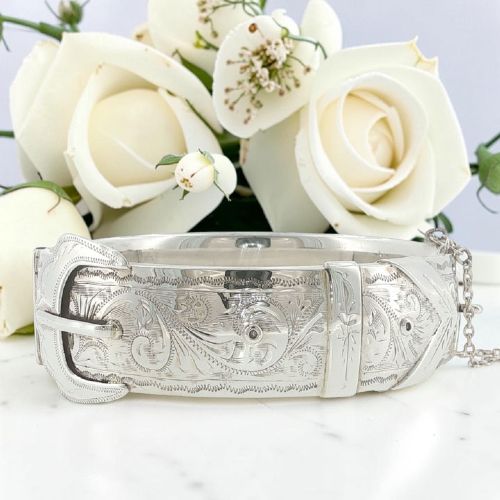
An antique sterling buckle fastens clothing or adorns the person, drawing on periods from the Georgian era through to the mid twentieth century.
Antique Sterling Buckle
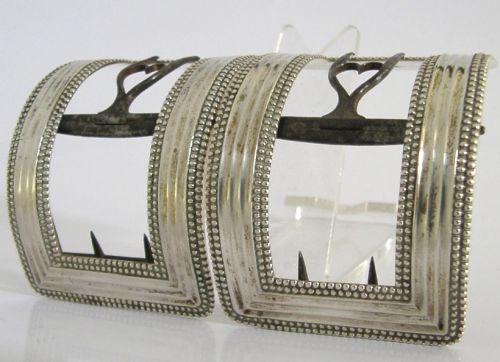
When you search for an antique sterling buckle, you encounter a variety of forms including belt buckles, shoe buckles, and nursing buckles. The selection spans from eighteenth-century Georgian examples to twentieth-century pieces produced across the Victorian, Edwardian, and later periods.
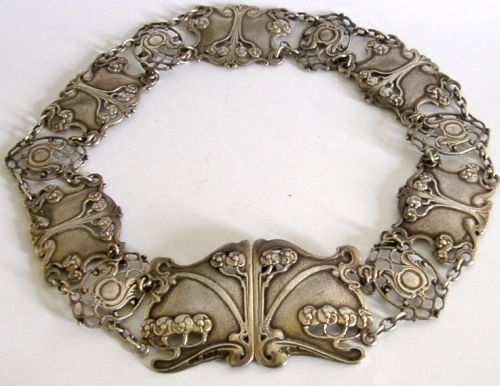
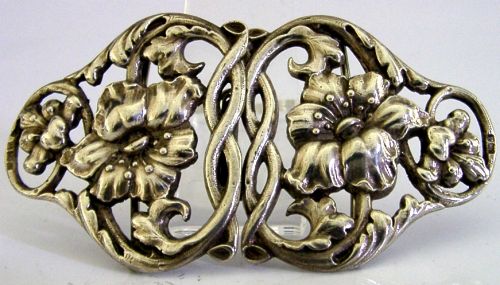
Belt and nurses buckles form the largest group on this page, often featuring cast designs or pierced scrollwork. Shoe buckles from the mid eighteenth century also appear, alongside specialised items such as picture frames and napkin rings styled after buckles.
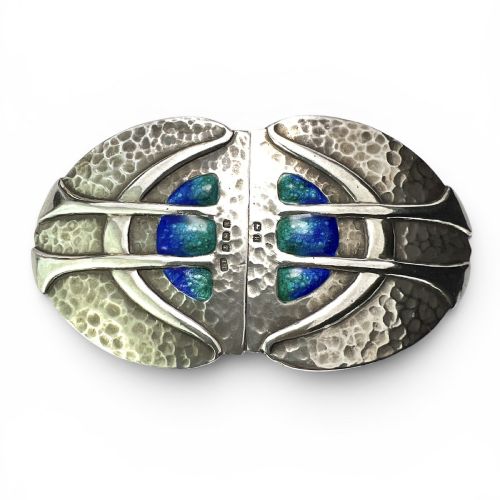
The materials range from solid sterling silver to combinations with enamel, velvet, leatherette, and steel. Styles shift from early Georgian shapes to flowing Art Nouveau lines and Arts and Crafts creations.
How they were made
Makers utilised casting techniques to shape solid sterling silver into elaborate forms, recording hallmarks that indicate assay offices such as Birmingham and Chester. Piercing and scrollwork required careful hand-sawing and filing of the metal sheet.
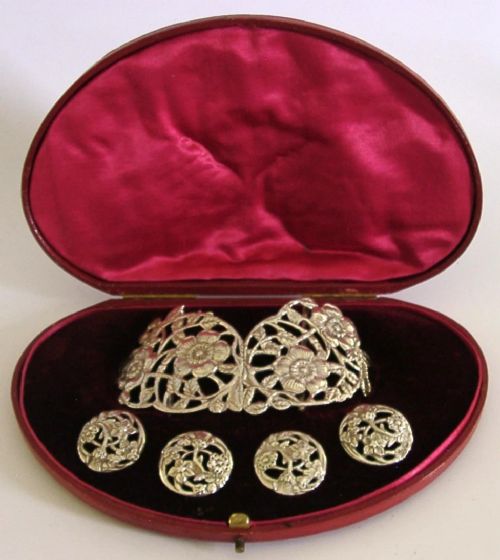
Enamel work, particularly vitreous enamel, was applied to silver surfaces to introduce colour, a technique prominent in Edwardian pieces. Some sets incorporated fitted cases lined with materials like velvet and leatherette.
Certain buckles feature dragons or cherubs peering out from the scrollwork, giving stern Edwardian attire a sudden, unexpected glance.
What varies in quality
The distinction between tiers rests upon the crispness of the cast details and the condition of any applied enamel. Substantial weight in the silver indicates a higher grade of manufacture, particularly in larger nursing and belt buckles.
The integrity of the hallmarks and the preservation of original elements, such as fitted cased sets with buttons or matching napkin rings, elevate the standing of a piece. Finer examples display meticulous hand-finishing on the reverse as well as the front.
James Fenton·Henry Matthews·Liberty's
The Antique Sterling Buckle Glossary
- Sterling silver
- A silver alloy containing 92.5 percent pure silver by mass and 7.5 percent other metals, usually copper. This standard composition is verified by official hallmarks on British pieces.
- Vitreous enamel
- Glass fused to the surface of metal through high-temperature firing. It provides a durable, glossy colour finish seen on Edwardian designs.
- Hallmark
- A series of official marks stamped on items to certify the metal standard, the assay office, and the year of production. They provide a reliable method for dating the work.
- Piercing
- A technique where metal is cut away to create openwork patterns such as scrolls or floral motifs. It lightens the weight while increasing visual complexity.
- Cast
- Molten metal poured into a mould to form a specific shape. This process allowed makers to produce high relief designs like cherubs, English roses, and dragons.
Antique Sterling Buckle: Frequently Asked Questions
What are nurses buckles?
Nurses buckles are larger belt fasteners worn by healthcare professionals during the late Victorian and Edwardian periods.
They often incorporate Art Nouveau motifs such as flowing lines, love hearts, and figures.
How do I date an antique sterling buckle?
Dating relies primarily on the assay office hallmarks stamped directly onto the silver.
Stylistic indicators like Art Nouveau curves or Georgian shapes also help place the piece within a specific era.
How should I clean silver buckles?
Maintenance requires gentle cleaning with a soft cloth to preserve the patina and any delicate enamel work.
Harsh abrasive dips can damage antique surfaces and remove historic darkening in recessed areas.