



Antique Steam Engine
These antique steam engine pieces range from working scale models to oil paintings, capturing the industrial mechanics of past centuries.
Antique Steam Engine
When you search for an antique steam engine, you encounter a mix of stationary models, scale locomotives, and related artworks spanning the nineteenth and twentieth centuries.
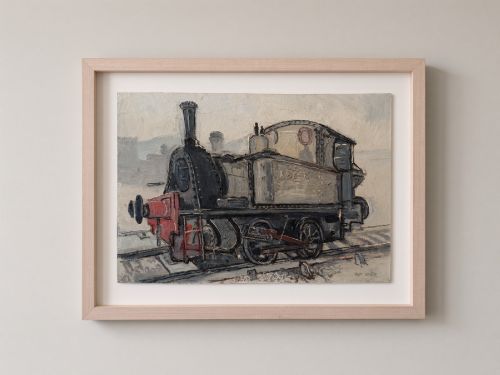
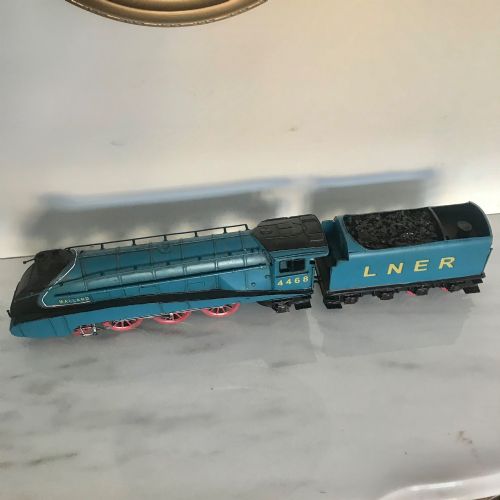
The objects on this page include scratch-built models, educational projection demonstrators, automaton clocks, and oil paintings depicting railway scenes.
Victorian and Edwardian pieces dominate the selection, alongside items from the 1920s and 1930s representing industrial history.
Materials and construction methods
Makers utilised brass, steel, cast iron, copper, and painted metal to build working scale models and stationary engines.
Artistic depictions employ oil paint on board or canvas, alongside copper relief plaques and painted metal signs.
Model makers applied scratch-built techniques alongside foundry casting to produce operable steam-powered machinery.
Antique Steam Engine Retail Price Guide 2026
Typical asking prices for steam engine among the pieces listed under this phrase on Sellingantiques today, from the lower quarter to the upper quarter. They describe what is for sale here now, not the wider market.
Materials documented across the inventory span brass, steel, cast iron, wood, copper, oil paint, and painted metal.
Factors of quality in mechanical models
Mechanical complexity and operational capability separate standard display items from advanced working demonstration models.
Precision in scale reduction and the refinement of brass and steel components distinguish superior craftsmanship.
Andre Guilmet·Max Kohl Germany·Merkelbach and Co Amsterdam·Stuart Turner·William Greaves
The Antique Steam Engine Glossary
- Beam engine
- A stationary steam engine where a pivoting overhead beam connects the piston rod to the connecting rod.
- Live steam engine
- A model powered by actual steam produced by heating water within a boiler.
- Scratch built
- An object constructed from raw materials rather than assembled from a commercial kit.
- Stationary engine
- A non-mobile engine used to drive machinery in a factory, mill, or workshop.
Antique Steam Engine: Frequently Asked Questions
How do these model engines operate?
Many of these pieces are spirit-fired or use a steam boiler to generate pressure, driving pistons and flywheels mechanically.
Demonstration models were specifically designed for educational projection or classroom use to exhibit thermodynamic principles.
What is a beam engine?
A beam engine utilises a rocking overhead arm to transfer power from the vertical cylinder to the crankshaft.
Examples on this page include both functional scratch-built versions and intricate automaton clock interpretations.
How can I date a model engine?
Dating relies on recorded production eras, maker attributions, and stylistic indicators ranging from the late nineteenth century to the 1930s.
Materials such as early cast iron and specific brass fittings also help establish the manufacturing period.
Are the paintings related to the models?
The paintings and wall plaques depict railway scenes and locomotives that complement the mechanical models.
These artworks provide historical context for the industrial subjects represented by the hardware.