

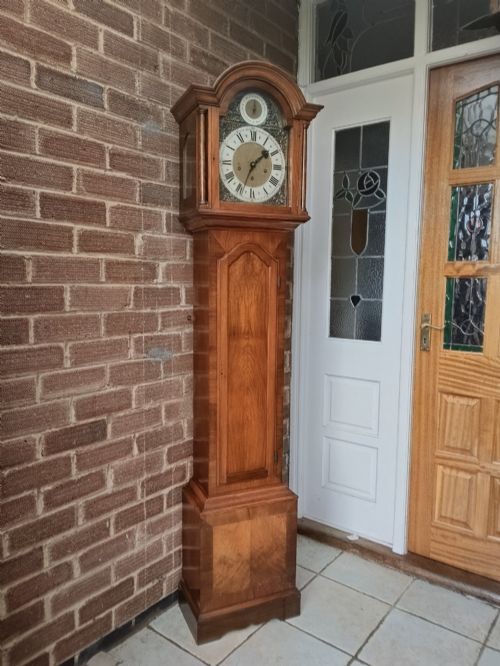
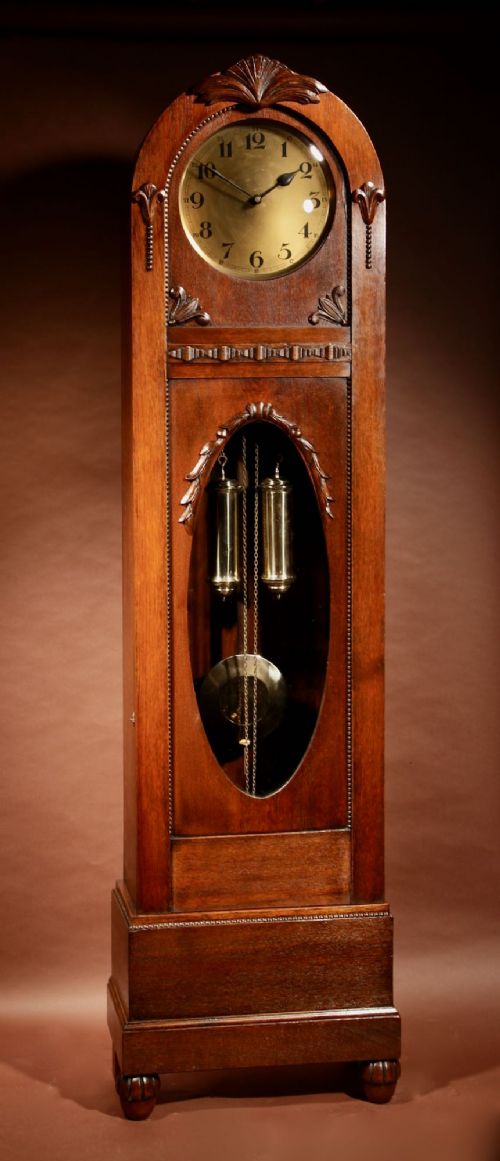
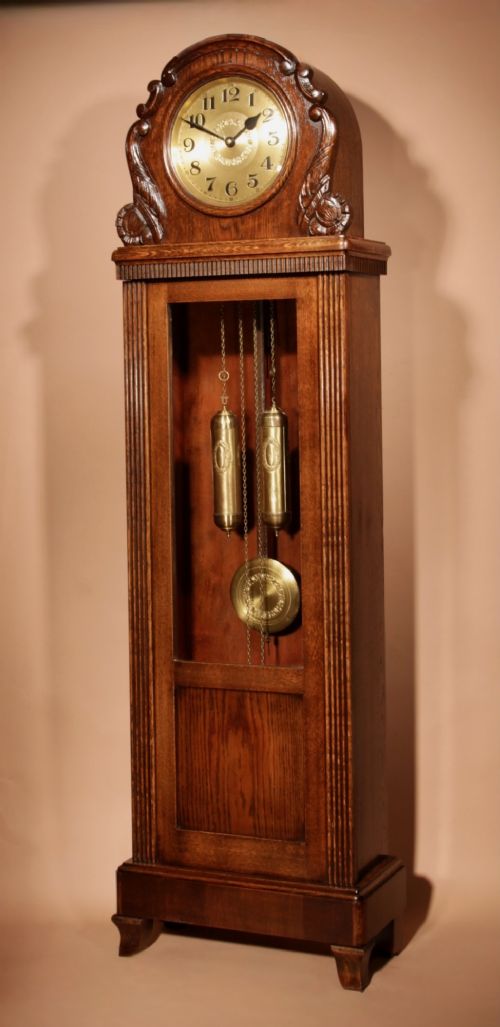
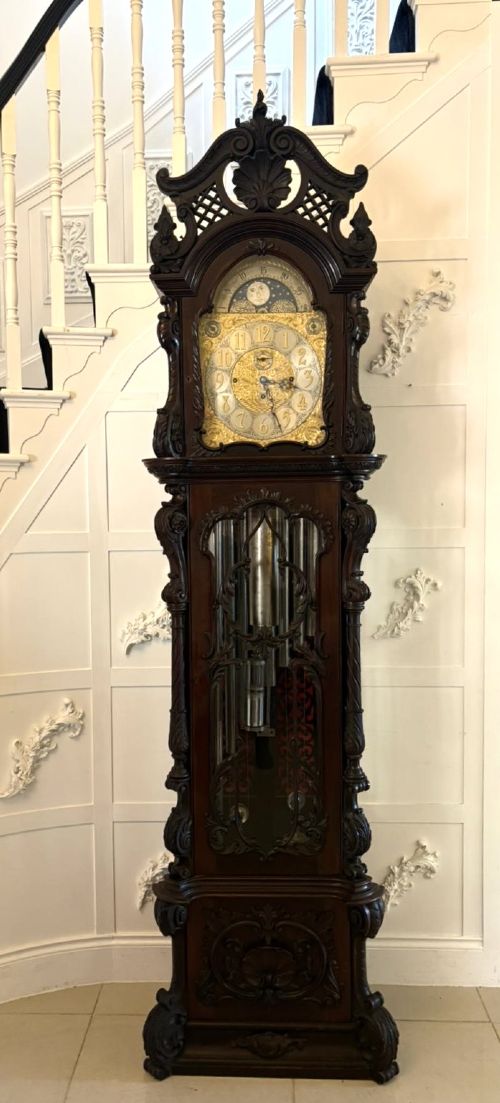

Antique Standing Hall Clock
An antique standing hall clock holds a room with measured time, carrying the presence of centuries through tall timber cases and swinging brass pendulums.
Antique Standing Hall Clock
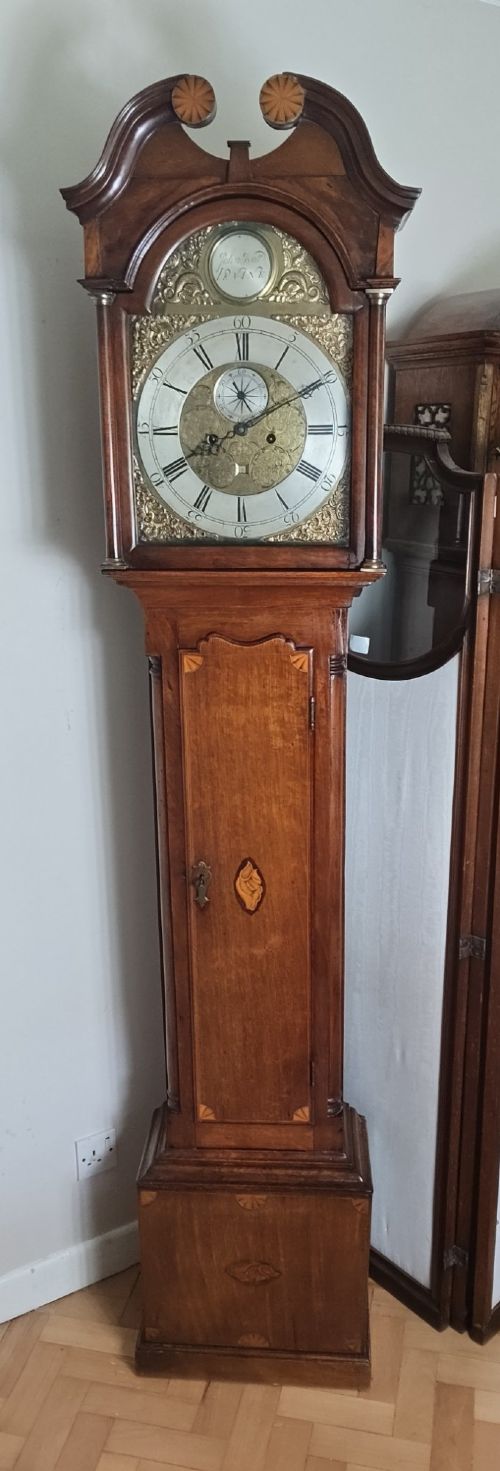
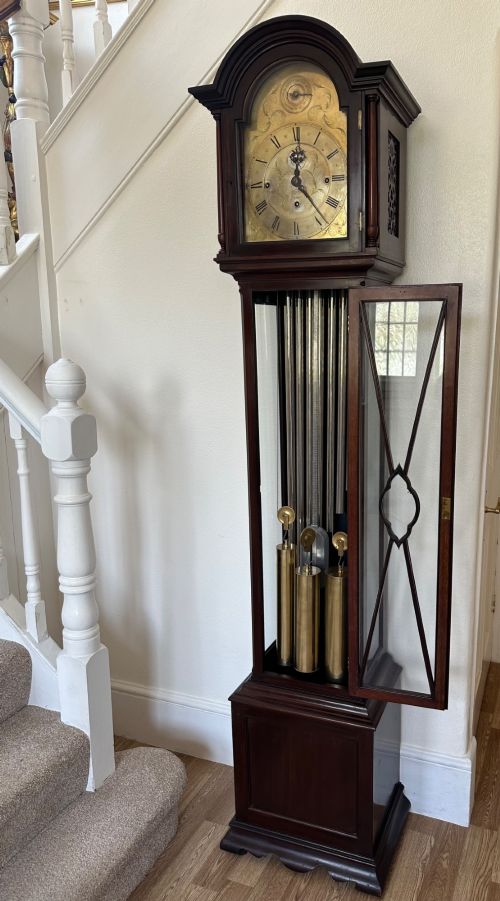
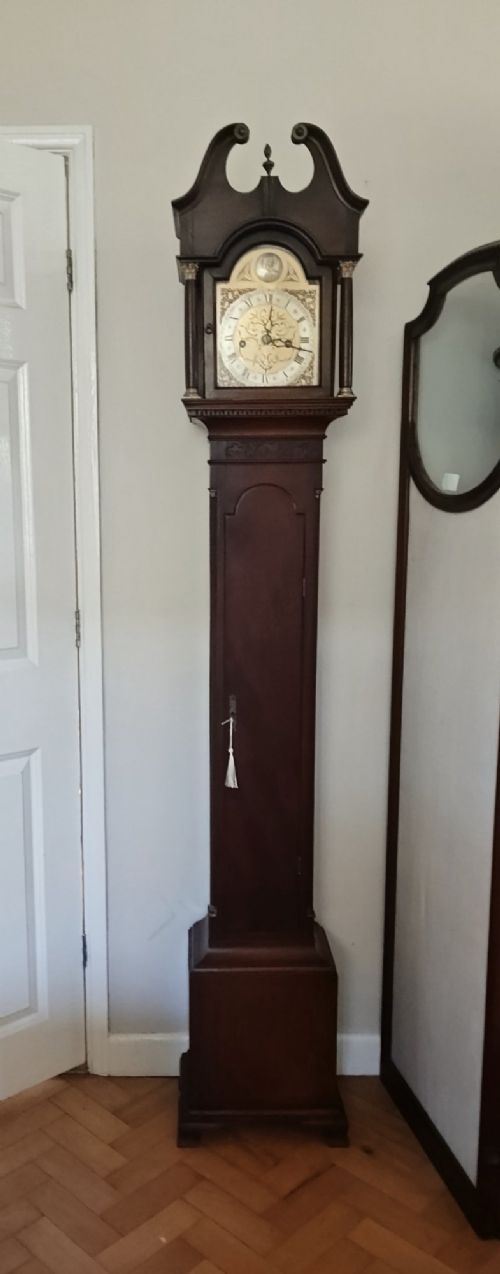
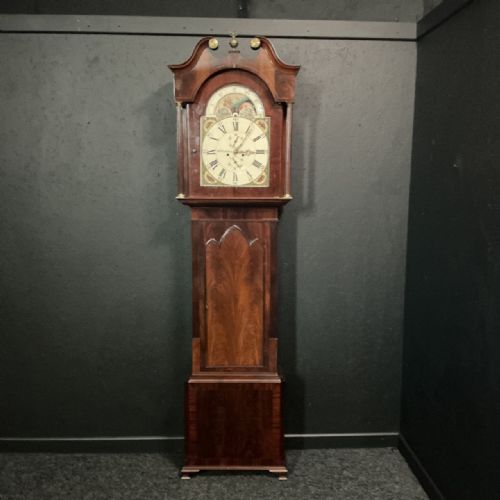
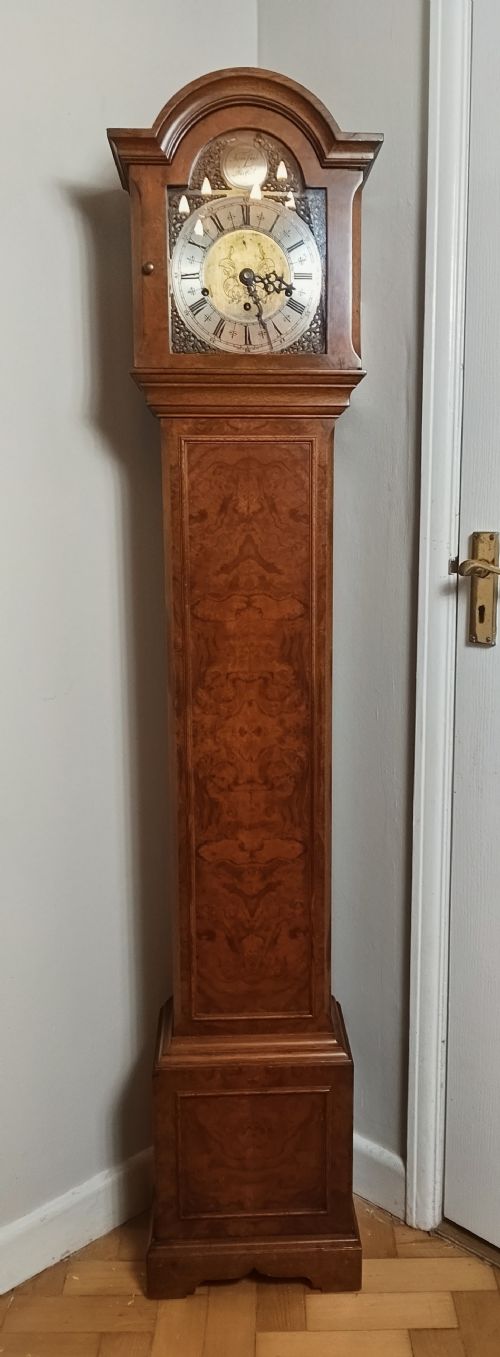
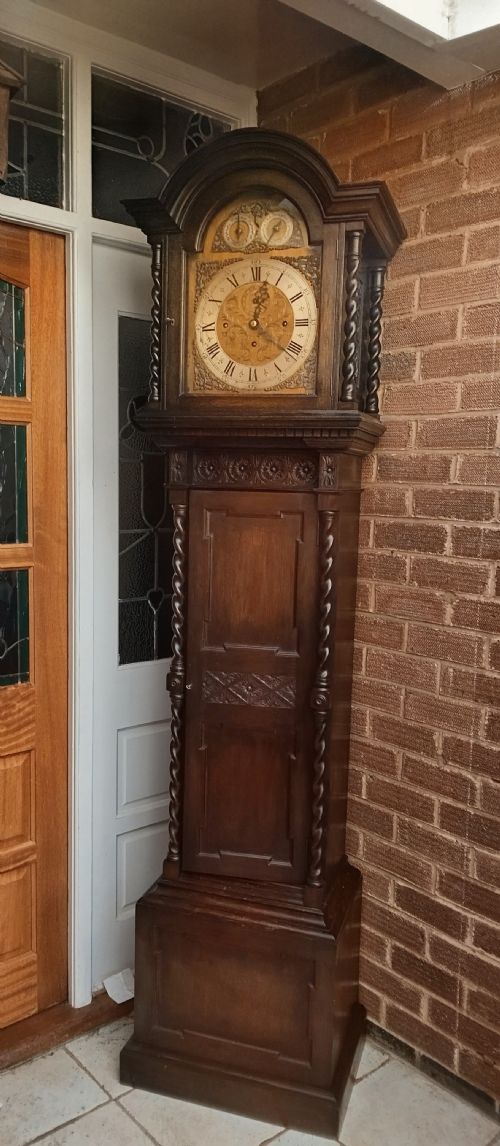
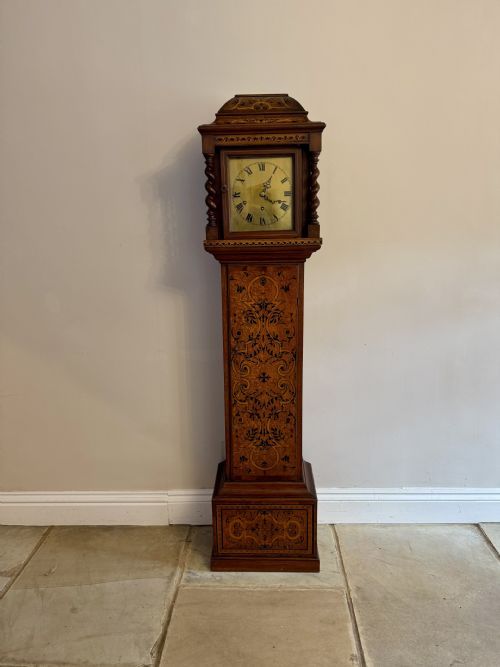
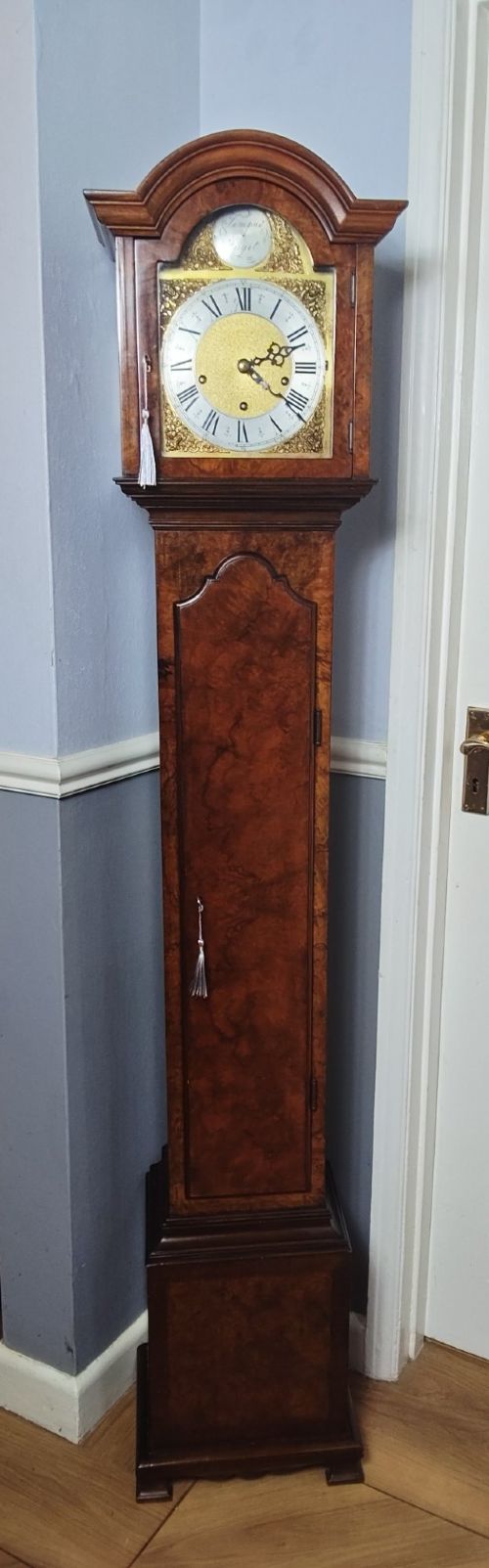
An antique standing hall clock appears in various regional guises, most frequently as a tall case enclosing a weight-driven or spring-driven movement. Buyers encounter these floor-standing timepieces under names such as longcase, grandfather, or smaller grandmother clocks spanning several centuries of cabinetmaking.
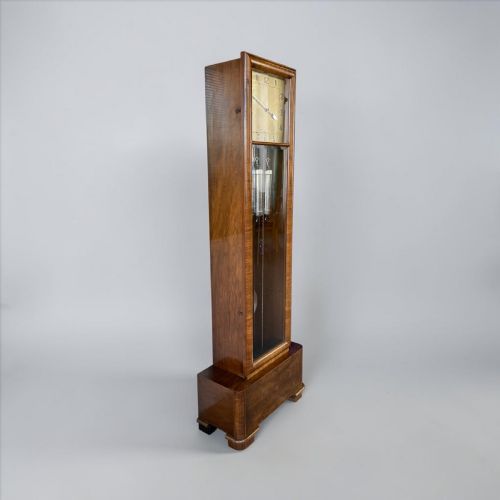
The selection ranges from early examples housed in plain oak frames to later expressions fashioned from figured mahogany, walnut, and satinwood. Styles shift from the clean proportions of the Georgian era through Victorian elaboration into Edwardian marquetry and the geometric lines of the Art Deco period.
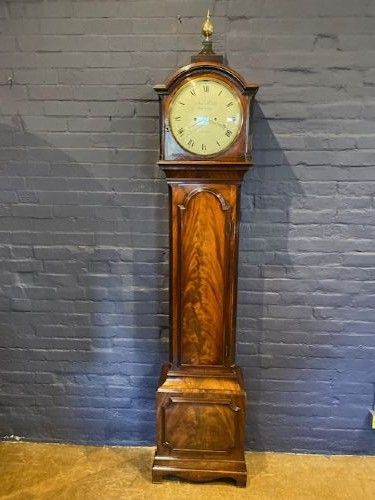
The most common formats on this page are mahogany and oak longcase clocks from the eighteenth and nineteenth centuries, alongside smaller Edwardian and twentieth-century musical variations. Regional differences emerge in provincial movements and Scottish proportions.
Materials and Construction
Cabinetmakers built these tall cases primarily using native timbers such as oak and imported hardwoods like mahogany and walnut, frequently applying decorative veneers, marquetry inlay, or japanned finishes. Selected woods underwent careful seasoning to prevent warping within the tall housing required to protect the suspended weights and pendulums.
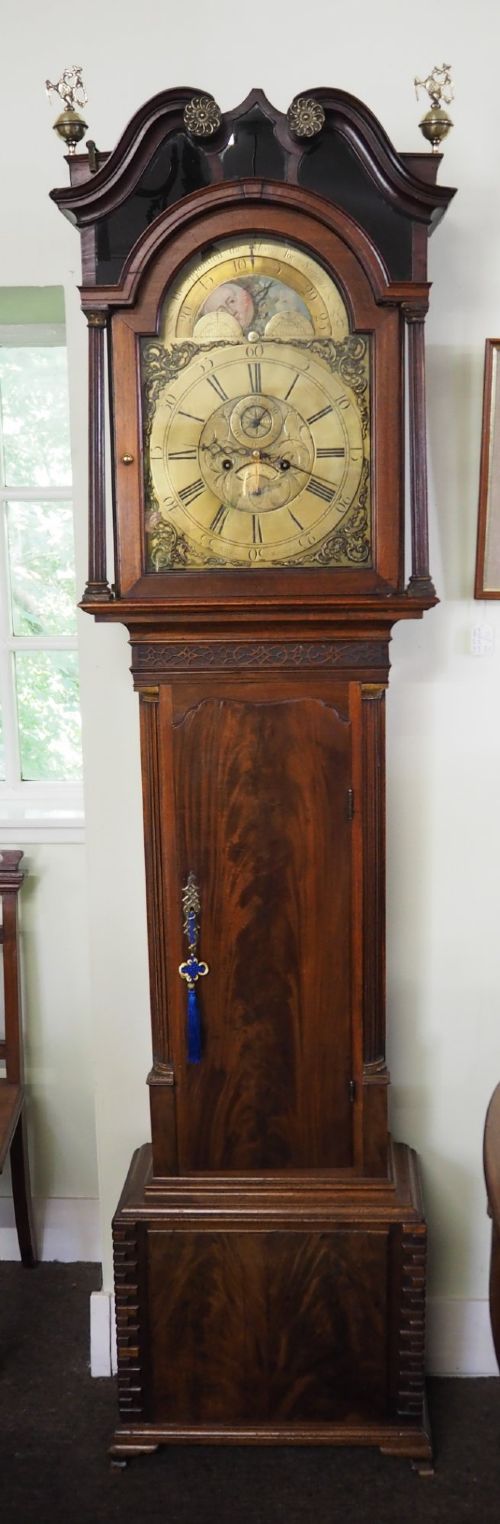
Dial work combined brass chapter rings, engraved spandrels, and silvered metal components alongside painted iron faces displaying moon phases or calendar apertures. Movements relied on cast brass wheels, steel pinions, and gut or wire lines, housed within heavy iron or lead weights that powered the striking and chiming trains.
Antique Standing Hall Clock Retail Price Guide 2026
Typical asking prices for standing hall clock among the pieces listed under this phrase on Sellingantiques today, from the lower quarter to the upper quarter. They describe what is for sale here now, not the wider market.
Materials span eighteenth-century native oak through figured mahogany and burr walnut into early twentieth-century satinwood and chrome.
Distinctions in Execution
The distinction between standard timepieces and exceptional examples rests in the complexity of the movement and the finesse of the timber housing. Multi-tube chiming mechanisms, moon rollers, and quarter-striking trains demonstrate superior horological ambition compared to standard time-and-strike movements.
Cabinet quality diverges between plainly constructed provincial carcases and meticulously figured mahogany or burr walnut housings embellished with fine inlay, hand-carved details, and proportioned architectural hoods.
James McCabe·ELLIOTT·John Wylde·Dwerrihouse & Carter·Edward Glase of Bridgnorth·Thomas Baker of Malling·THOMAS HALL·Maple & Co
The Antique Standing Hall Clock Glossary
- Longcase clock
- A tall, floor-standing pendulum clock enclosed in a wooden case designed to protect the weights and pendulum. This term remains the primary formal designation for the form.
- Grandfather clock
- A large longcase clock, typically exceeding six feet in height. The moniker derived from a popular nineteenth-century song.
- Grandmother clock
- A smaller, more compact version of the longcase clock, generally standing under six feet tall. These pieces gained popularity during the twentieth century.
- Moon phase
- A dial mechanism tracking the lunar cycle through a rotating disc showing the phases of the moon. Skilled makers integrated these complications above the main dial.
- Fusee
- A conical pulley used in spring-driven clocks to equalize the diminishing power of the mainspring as it unwinds. This mechanism ensures consistent timekeeping across the duration of the winding cycle.
Antique Standing Hall Clock: Frequently Asked Questions
How do I wind a longcase clock?
Winding requires using a specific crank key inserted into the winding holes on the dial face to draw the weights back up to the top of the case. Care must be taken not to overwind the mechanism.
For weight-driven models, the weights descend slowly as the clock runs, governing the duration of the movement between windings.
Where should I place a standing hall clock?
These tall timepieces require a stable, dry interior wall away from direct sunlight, central heating vents, and damp floorboards. Proper placement protects the timber case from humidity fluctuations.
Securing the tall case to the wall using discreet brackets prevents accidental tipping and ensures the pendulum hangs plumb for accurate beating.
What is the difference between an eight day and thirty hour movement?
An eight day movement requires winding once a week using heavier weights and a longer drop path within the trunk. These mechanisms represent higher horological complexity.
Thirty hour movements utilise lighter weights that descend over a shorter period, demanding more frequent attention from the owner.
How do I identify the period of a clock case?
Dating relies on examining the timber choice, cabinet proportions, dial layout, and secondary woods used inside the hood and trunk. Early pieces often feature square dials and oak construction.
Later Victorian and Edwardian examples introduce arched painted dials, mahogany veneers, marquetry, and specialised chiming tube assemblies.