

Antique Small Stand
An antique small stand delivers compact utility and period character, offering a surface or shelf designed for tight spaces.
Antique Small Stand
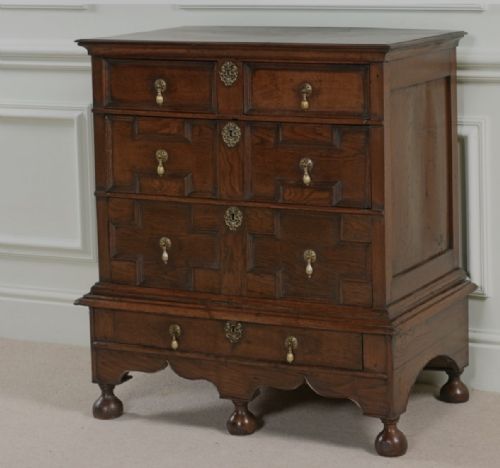
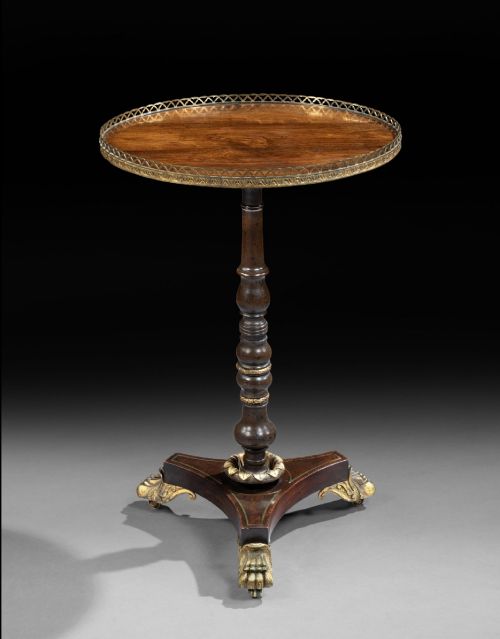
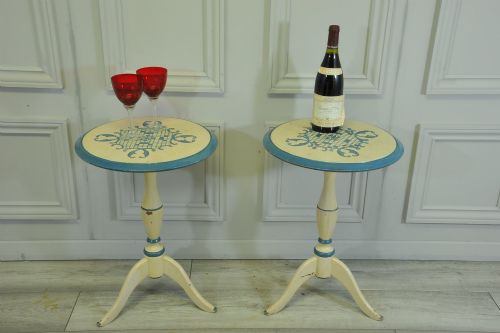
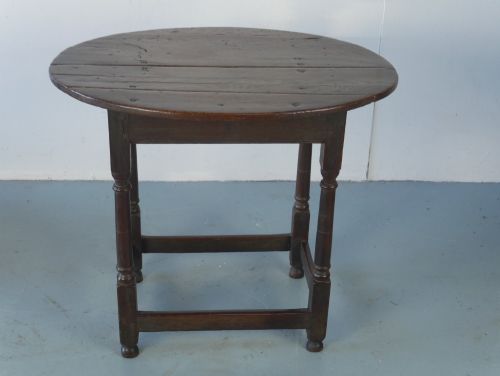
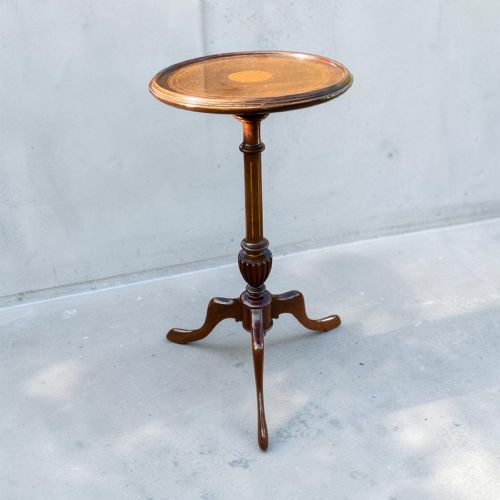
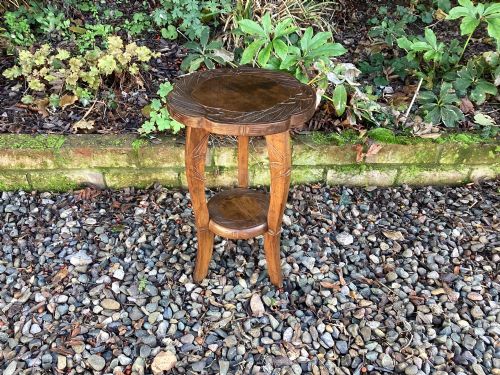
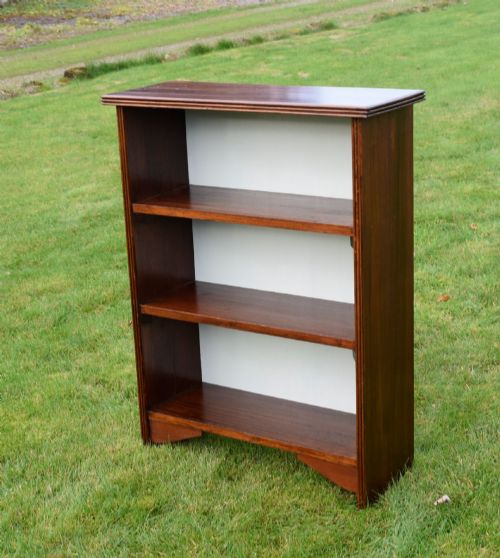
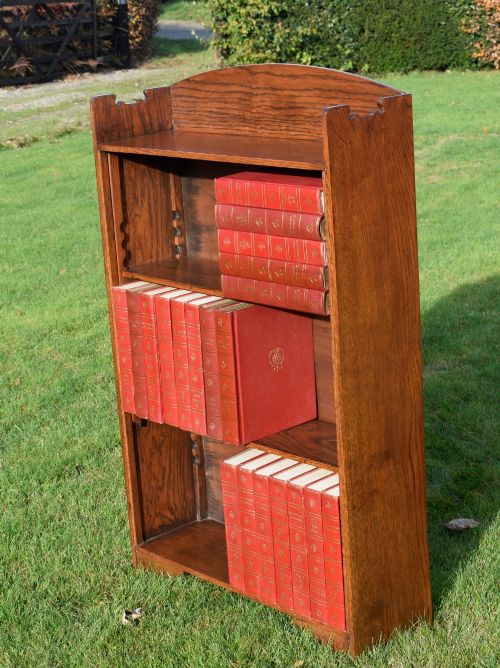
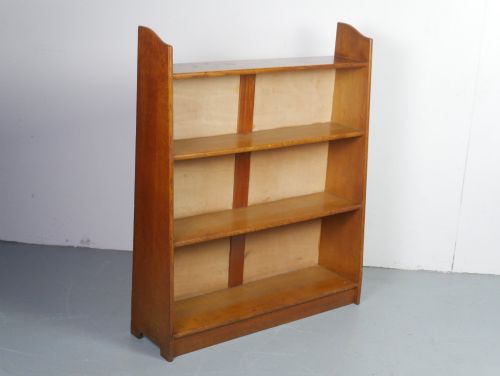
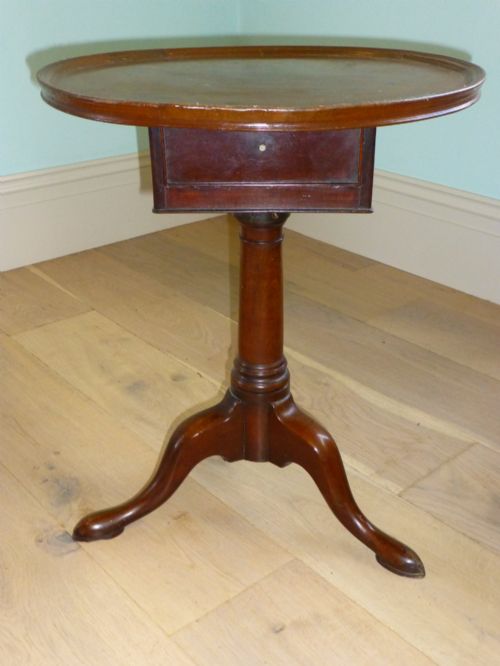
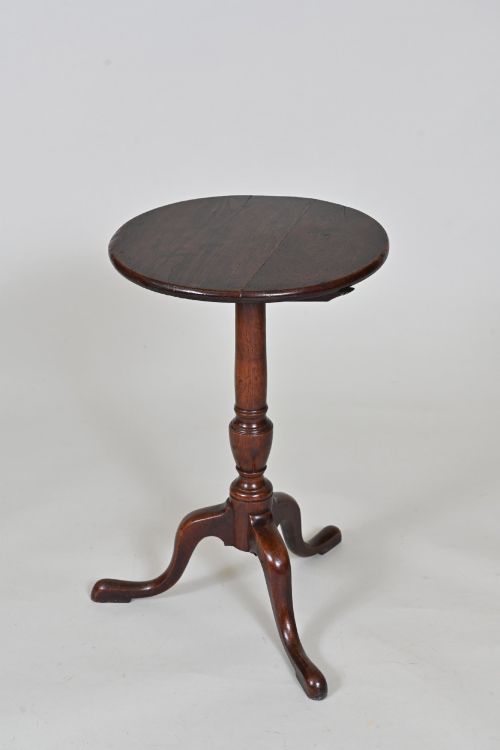
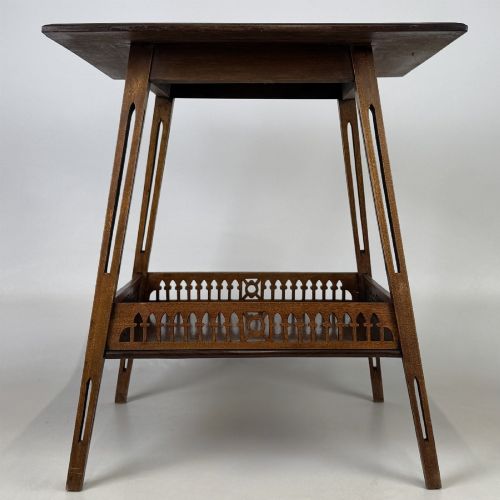
An antique small stand covers a diverse group of compact furnishings utilised for specific domestic duties, appearing in forms such as lamp tables, wine tables, tripod tables, and side tables. Buyers seeking an antique small stand will most frequently encounter mahogany and oak pieces from the Georgian, Victorian, and Edwardian periods.
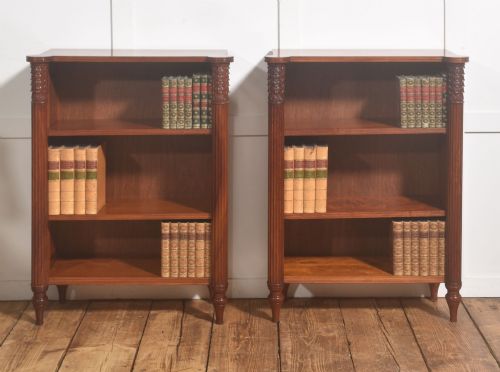
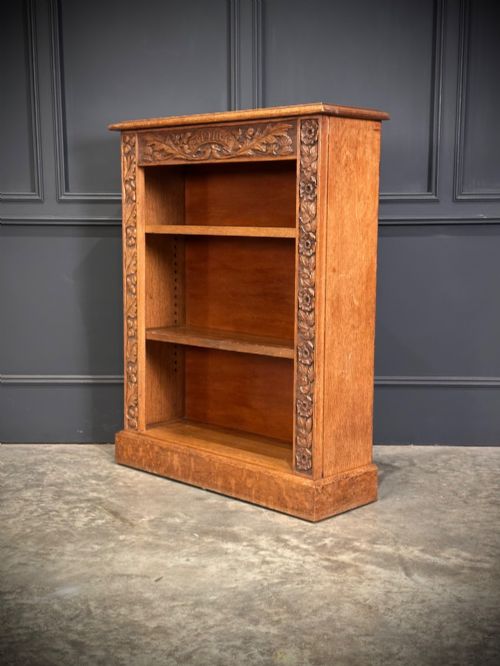
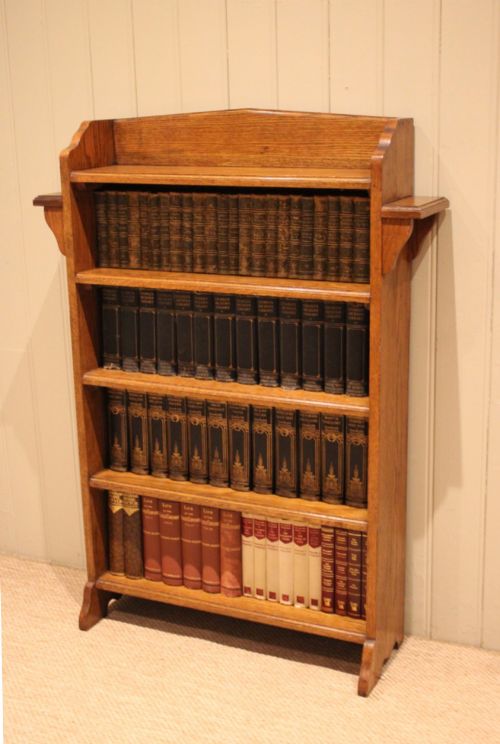
The selection ranges from occasional tables featuring raised galleries to bedside cabinets, open bookcases, and hall stands equipped for coats and umbrellas. These versatile items served specific domestic functions in period homes, from holding a candle or reading lamp to displaying small decorative objects in a parlour or hallway.
Distinctions in quality and execution
The distinction between standard domestic pieces and superior examples rests in the selection of timber, the crispness of carved or turned details, and the integrity of the construction. Tables with well-figured veneers, balanced tripod bases, and original brass galleries represent a higher standard of cabinetmaking.
Proportion and restraint in design separate finer items from mass-produced utilitarian versions, particularly in the alignment of inlaid motifs and the smooth operation of drawers or revolving tiers. The retention of original surface patination without aggressive modern intervention marks the better-preserved pieces.
Antique Small Stand Retail Price Guide 2026
Typical asking prices for small stand among the pieces listed under this phrase on Sellingantiques today, from the lower quarter to the upper quarter. They describe what is for sale here now, not the wider market.
Some small stands feature revolving shelves that quietly saved Victorians from reaching too far for their favourite novels.
Gillows·Bulstrode Cambridge
The Antique Small Stand Glossary
- Gallery
- A raised wooden or brass rail surrounding the edge of a table top to prevent items from sliding off. This feature appears frequently on lamp and occasional tables.
- Tripod table
- A small occasional table supported by a central pillar resting on three legs. These versatile tables date across the Georgian, Victorian, and Edwardian eras.
- Occasional table
- A small, movable table designed for intermittent use rather than a fixed dining or writing purpose. They appear in circular, rectangular, and octagonal formats.
- Inlay
- A decorative technique where contrasting woods or materials are inserted into recesses within the primary surface. Edwardian and Georgian pieces often utilise this method for geometric or floral patterns.
- Dishtop
- A table top with a raised, concave rim carved directly from the solid timber. This refined detail is typically found on Georgian mahogany examples.
Antique Small Stand: Frequently Asked Questions
What is an antique small stand used for?
These compact items served various auxiliary duties around the home, functioning as bedside surfaces, lamp supports, or small book repositories. Their modest footprint allowed them to fit into tight corners and narrow hallways.
Today, they perform similar roles in modern interiors, offering convenient bedside storage or a stable platform for lighting and plants without overwhelming limited floor space.
How do I identify a Georgian stand?
Georgian pieces typically display dense mahogany, oak, or elm construction, featuring restrained lines, hand-cut joinery, and patination developed over centuries. Details such as dishtops and tripod bases with pad feet are common markers of this era.
Later Victorian and Edwardian interpretations often adopted lighter satinwood, more elaborate carving, or machine-made components that distinguish them from eighteenth-century work.
Are small stands sturdy enough for daily use?
Most pieces were built by experienced cabinetmakers using durable hardwoods like oak and mahogany, ensuring structural integrity for everyday tasks. Tripod designs and small occasional tables remain stable when placed on even flooring.
Care should be taken with delicate inlaid surfaces or pieces featuring raised galleries, avoiding excessive weight or exposure to moisture that could compromise historical joints.
What distinguishes an Arts and Crafts stand?
Arts and Crafts examples emphasise visible construction methods, such as pegged oak joints and unpretentious surfaces that highlight the natural grain of the wood. These pieces reject excessive factory-made ornamentation in favour of honest, hand-finished utility.
They often appear as open bookcases or low side tables, displaying a sturdier, more architectural silhouette compared to delicate Edwardian or Georgian equivalents.