
Antique Silvered Pendant
An antique silvered pendant brings a subtle gleam to the neckline, catching the light with the quiet charm of past decades.
Antique Silvered Pendant
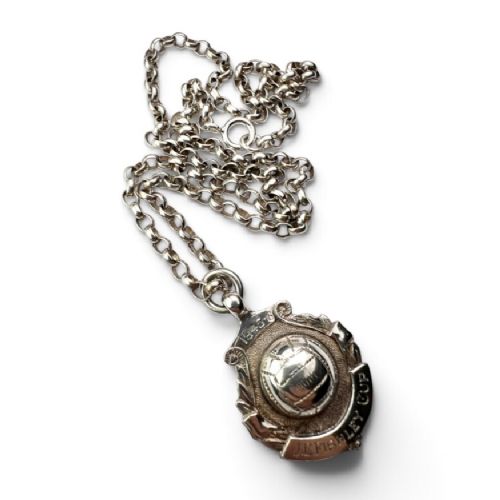
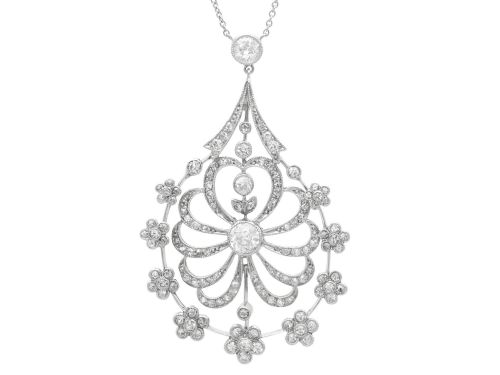
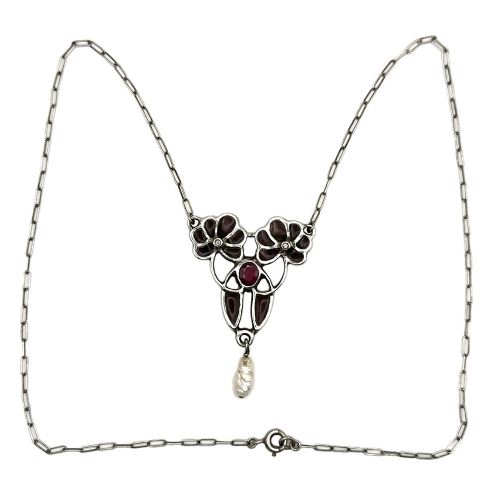
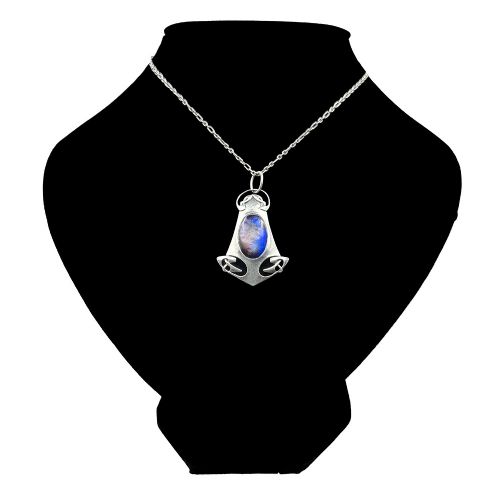
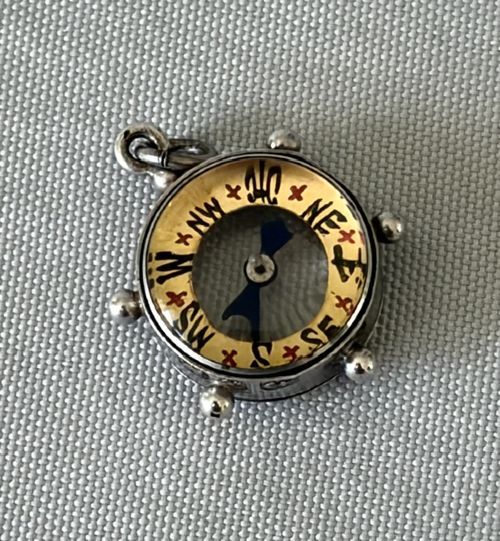
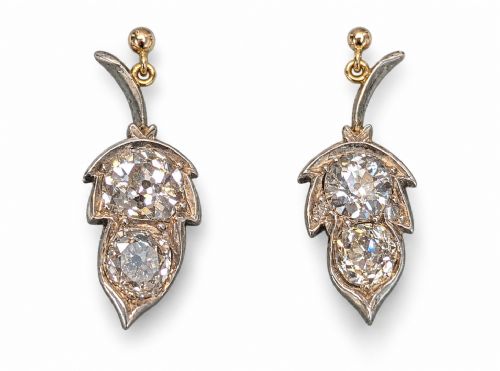
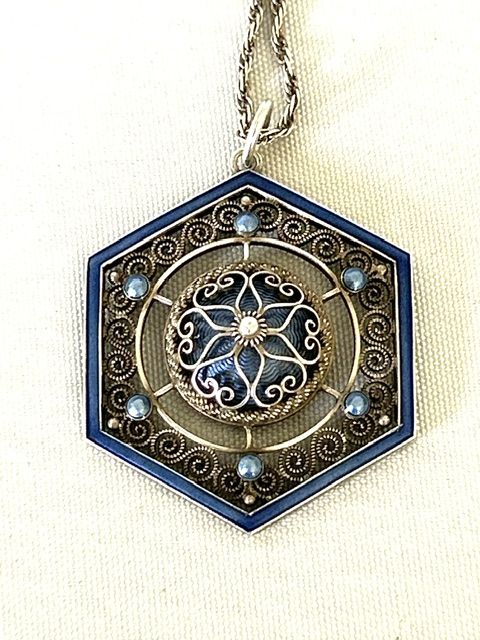
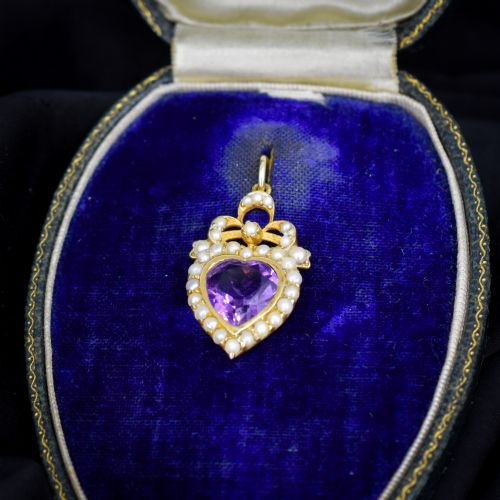
When you search for an antique silvered pendant, you encounter a variety of forms spanning the Victorian, Edwardian, and Art Deco periods. These items range from delicate silver and enamel drops to geometric crystal designs and gemstone-set lockets.
The selection on this page demonstrates how these pieces cross several stylistic boundaries, drawing on French Chateau, Scandinavian, and Arts and Crafts traditions alongside traditional British silverwork.
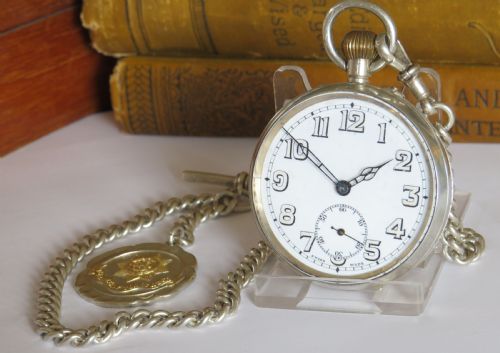
Buyers often find these jewels paired with matching chains, watch fobs, or vinaigrettes, reflecting the diverse ways silversmiths utilised precious metals and glass during the nineteenth and early twentieth centuries.
Materials and construction methods
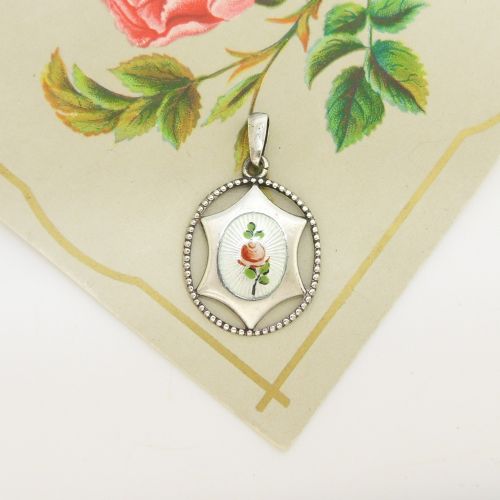
Craftsmen utilised sterling silver, gold, and silver gilt as the primary structural foundations for these items, frequently combining them with hand-cut crystal, paste glass, and diamonds. Enamel work, particularly guilloche, added vibrant colour to geometric Art Deco and floral shield motifs.
Techniques such as hand-carving mother-of-pearl, delicate filigree wirework, and precision stone setting defined the manufacturing process across the Georgian, Victorian, and Edwardian eras. Artisans integrated glass, turquoise, and onyx directly into metal bezels to create durable, light-reflecting surfaces.
Among the offerings, miniature purse mirrors and articulating silver fish charms remind us that past owners loved both vanity and playfulness.
Distinctions in craftsmanship and preservation
The standard of a piece rests heavily on the crispness of its chasing, the intact preservation of its enamel surfaces, and the tightness of its stone settings. Superior examples display clean hallmarks and precise hand-cut facets that maximise light return within the crystal or paste glass.
Wear patterns tell a story of longevity, where finer mountings retain their structural integrity and hinge mechanisms operate smoothly. Pieces showing minimal loss to their original silver wash or gilding command greater appreciation among collectors.
Marius Hammer·Émile-Jacques Ruhlmann·Murrle Bennett·Archibald Knox·Samuel Pemberton·Crisford and Norris·Henry Williamson
The Antique Silvered Pendant Glossary
- Guilloche enamel
- A decorative technique where a precise mechanical pattern is engraved beneath a translucent layer of coloured enamel. This method creates a shimmering background effect visible on many early twentieth-century drops.
- Paste glass
- High-refractive-index lead glass hand-cut and polished to imitate gemstones like diamonds. It was widely utilised in Georgian and Victorian jewellery for brilliant sparkle.
- Vinaigrette
- A small ornamental box featuring a pierced inner grille, designed to hold a sponge soaked in aromatic vinegar. These were carried during the Georgian and Victorian periods to mask unpleasant odours.
- Albert chain
- A short length of watch chain designed to be secured to a waist-coat buttonhole and attached to a pocket watch. They frequently feature dog clips and T-bars.
- Lavaliere
- A pendant featuring a drop stone or motif suspended below the main body, popular during the Edwardian era. The design allows the lower section to sway freely with movement.
Antique Silvered Pendant: Frequently Asked Questions
How do I date a silver pendant?
Dating relies on examining the assay office hallmarks, style of construction, and the cut of any set stones. Georgian and Victorian pieces often feature hand-engraved details and distinct box hinges.
Later Edwardian and Art Deco examples adopt geometric lines, calibre-cut paste, and machine-engraved guilloche patterns that reflect the industrial shifts of the twentieth century.
How should I clean my antique pendant?
Cleaning requires a soft microfiber cloth and mild soapy water to remove surface dust without disturbing fragile enamel or paste stones. Avoid abrasive dips and ultrasonic cleaners, which can strip gilding or loosen glued components.
Proper storage in a dry, tarnish-resistant pouch preserves the integrity of both the metal and any delicate glass elements.
Were these pendants originally worn alone?
Many of these drops originated as components of larger ensembles, including watch chains, chatelaines, or lavaliere necklaces. Owners frequently interchanged pendants or added them to split rings alongside charms and lockets.
Over time, individual pieces were separated from their original chains and re-hung on modern or period-appropriate neckwear for daily use.