



Antique Silver Ship
An antique silver ship brings maritime history into the room, capturing the romance of seafaring through detailed metalwork.
Antique Silver Ship
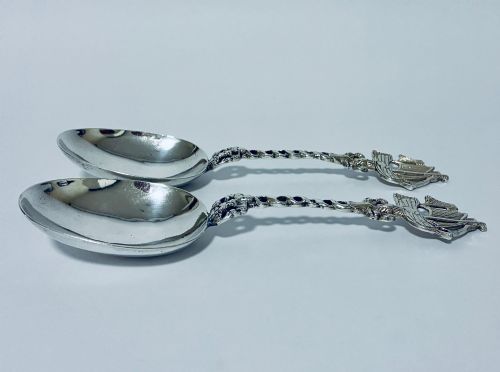
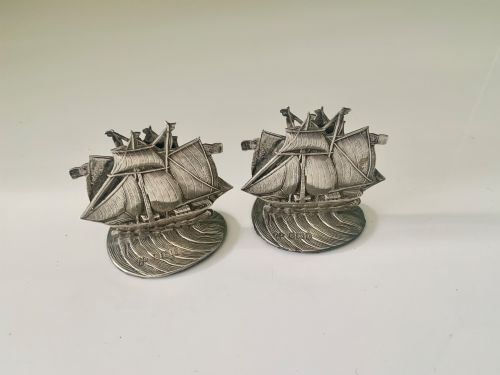
An antique silver ship encompasses miniature models, decorative table objects, and novelty items produced across the nineteenth and twentieth centuries. These pieces reflect a strong maritime influence spanning Victorian, Edwardian, and mid-century periods.
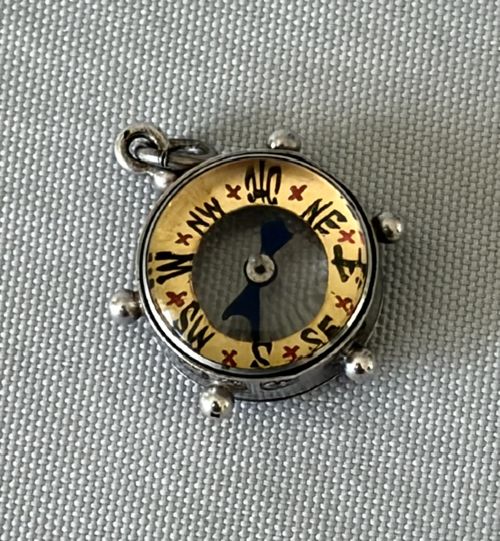
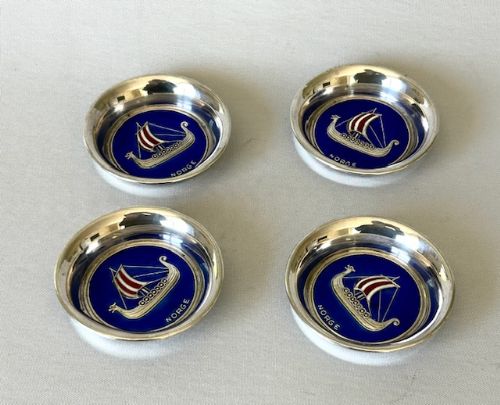
The pieces you encounter range from solid silver Viking ship models and galleon menu holders to navigational instruments and presentation boxes. Many items bridge the gap between decorative arts and functional nautical equipment.
Makers drew inspiration from various regional styles, including Dutch silver work and Viking revival motifs. Selecting the right piece depends on whether you prefer miniature decorative vessels or larger utility items with a maritime theme.
How They Were Made
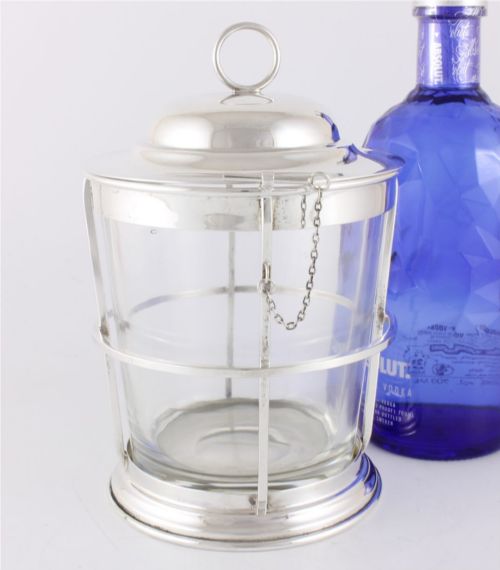
Craftsmen utilised sterling silver, silver plate, and nickel plating over base metals to construct these durable nautical items. Glass and enamel often complemented the metalwork, particularly in lanterns, ice buckets, and decorative brooches.
Techniques varied from cast and chased silver details on miniature vessels to heavy iron-bound oak construction for larger shipping trunks and chests. Skilled metalworkers also assembled precision clock movements and gimbal mechanisms for marine use.
Antique Silver Ship Retail Price Guide 2026
Typical asking prices for silver ship among the pieces listed under this phrase on Sellingantiques today, from the lower quarter to the upper quarter. They describe what is for sale here now, not the wider market.
Listings feature items from the Victorian, Edwardian, and mid-century periods, utilising materials such as silver, oak, glass, and nickel.
What Varies in Quality
Quality rests on the crispness of the chasing, the weight of the metal, and the preservation of original components like enamel work or glass inserts. Pieces featuring named makers or retailers typically display superior execution in their finer details.
The structural integrity of functional items, such as clock movements or gimbal mounts, distinguishes standard production pieces from exceptional examples. Finer specimens retain clear hallmarks and balanced proportions that reflect the aesthetic standards of their period.
PH Vogel·Elkington and Co·Litherland Davies of Liverpool·Gustav Gaudernack·Gay Vicarino·Pascall Atkey of Cowes·Tissot
The Antique Silver Ship Glossary
- Gimbal
- A pivoted support ring that allows a ship's lamp or chronometer to remain level despite the rolling of a vessel. This clever mechanical arrangement ensured navigational instruments stayed operational in rough seas.
- Sterling Silver
- An alloy consisting of pure silver and other metals, usually copper, to increase durability while maintaining a bright lustre. Items marked thus meet a strict standard of silver purity.
- Galleon
- A large sailing ship used by European nations from the fifteenth to the seventeenth centuries. In silver work, these vessels served as decorative table ornaments or menu holders.
- Viking Revival
- A nineteenth-century design movement that drew inspiration from Norse art and artefact discoveries. Pieces from this style often feature intricate interlacing patterns and dragon-head motifs.
- Fusee
- A conical pulley used in older clocks to maintain even tension on the gear train as the mainspring unwinds. This mechanism improved the timekeeping accuracy of marine chronometers and bulkhead clocks.
Antique Silver Ship: Frequently Asked Questions
How were silver ship models used?
Many of these silver vessels served as table centrepieces, presentation pieces, or sophisticated desk ornaments for maritime enthusiasts and naval officers.
Smaller examples functioned as novelties, whilst related nautical items included functional items like ice buckets and lighting.
How do I care for silver nautical items?
Regular dusting with a soft cloth helps prevent dust build-up in the intricate rigging and textured metal surfaces of silver ship models. Occasional gentle cleaning with a suitable silver polish maintains the metal's natural lustre.
Avoid abrasive cloths that might damage fine chasing or delicate enamel work on Victorian and Edwardian pieces.
How can I tell the period of a silver ship?
Examining the hallmarks stamped on the metal provides a reliable guide to the date and origin of silver pieces. Stylistic clues, such as Victorian revival motifs or mid-century minimalist lines, also help determine the era of manufacture.