
Antique Silver Plated Lighting
Antique silver plated lighting brings warmth and period character to a room through candlesticks, candelabra, and table lamps cast in metal.
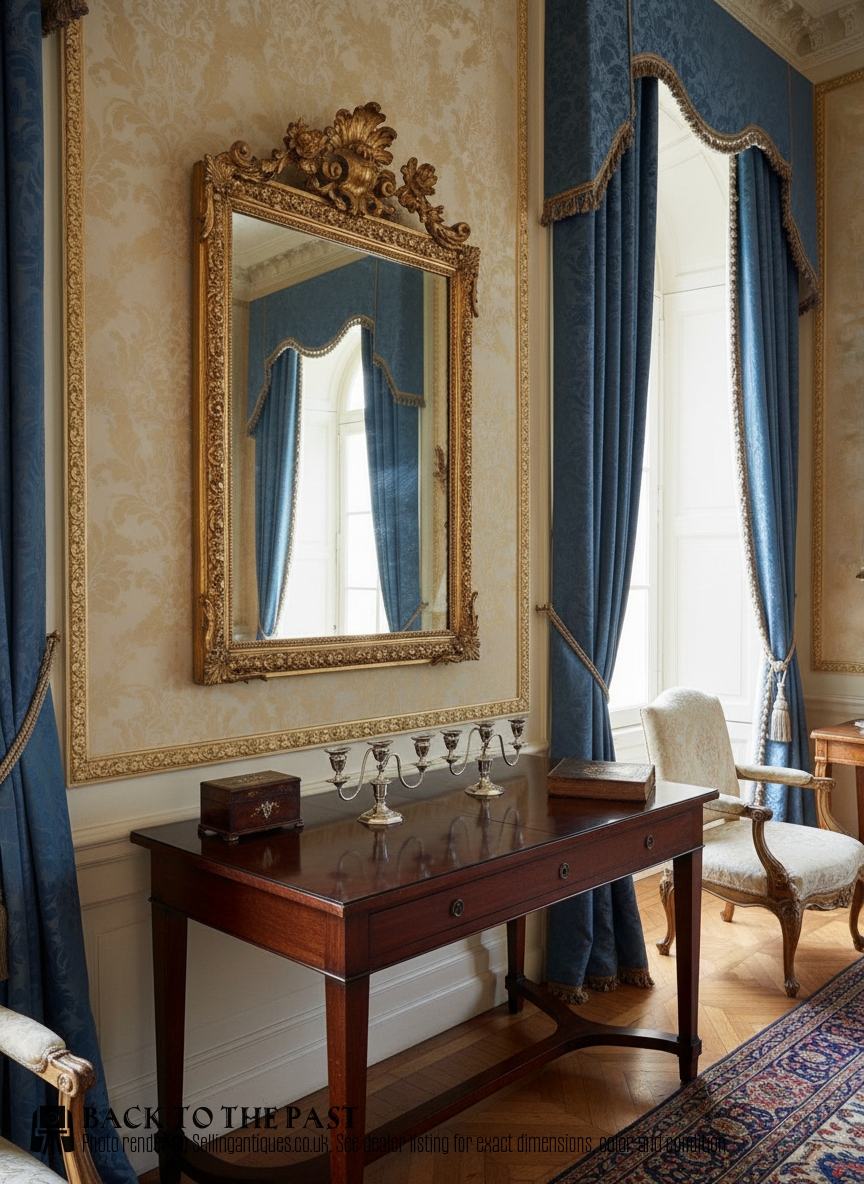
Antique Silver Plated Lighting
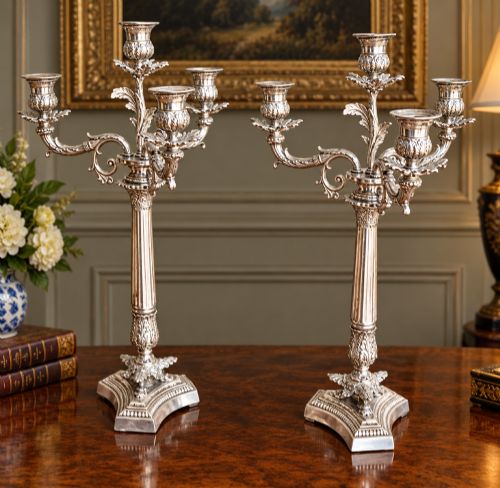
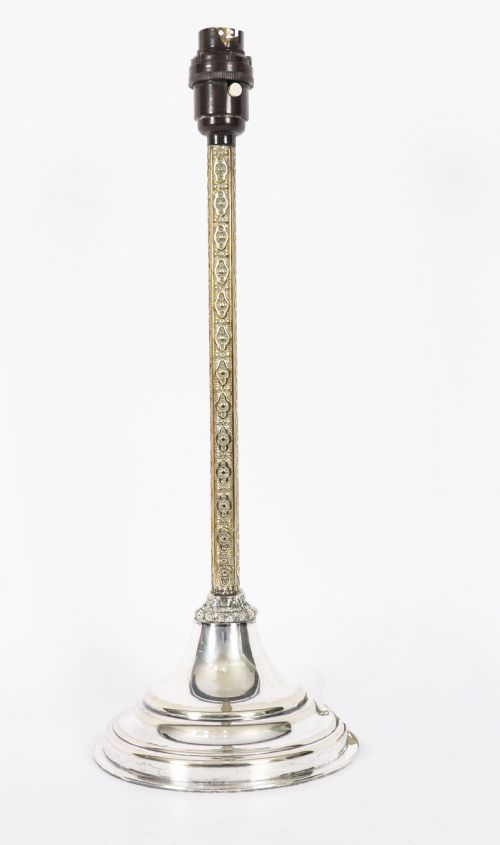
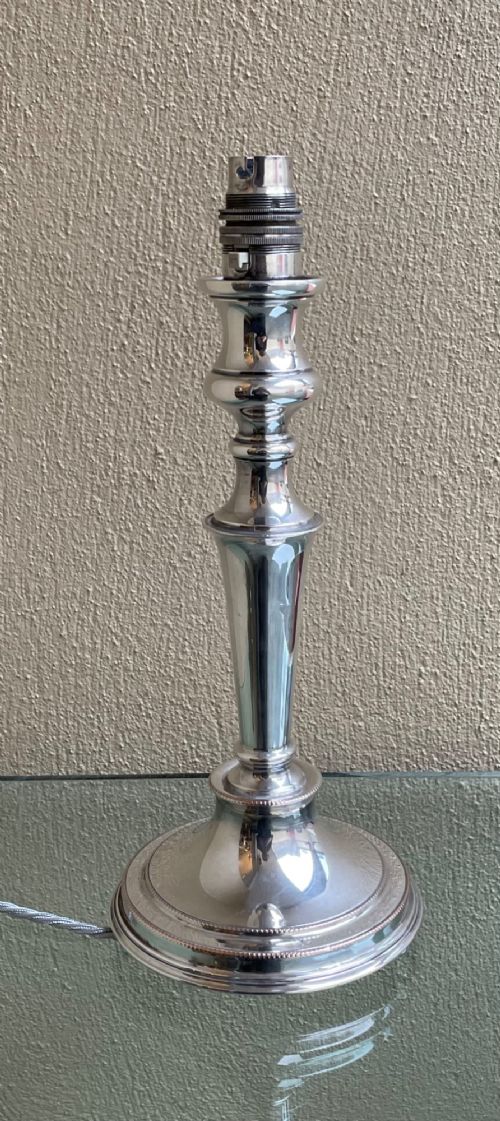
When searching for antique silver plated lighting, buyers encounter pieces spanning from the eighteenth century through the Edwardian period. Table lamps, candlesticks, and multi-light candelabra dominate the selections available in this category.
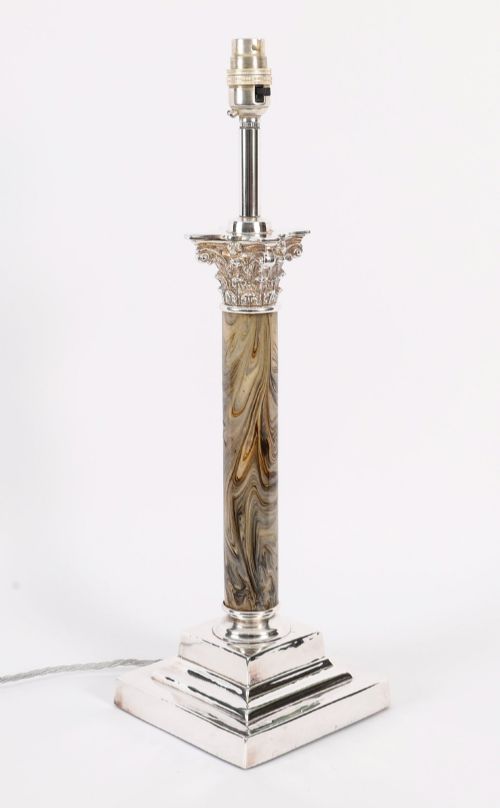
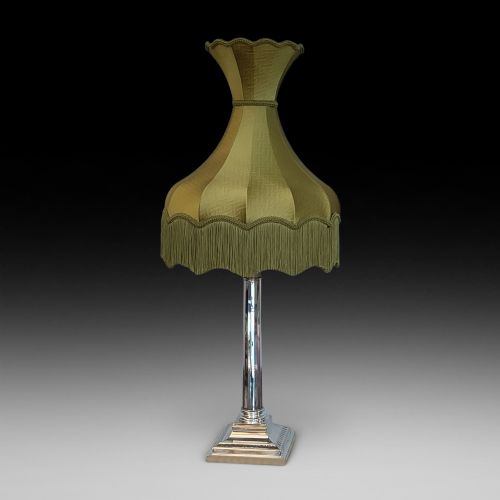
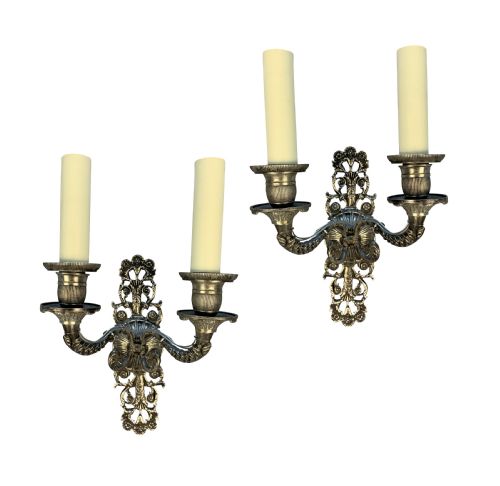
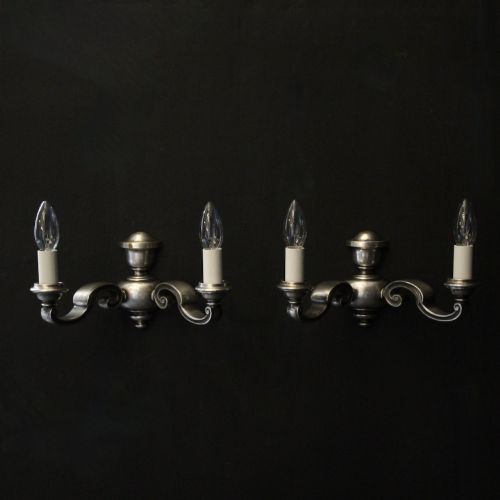
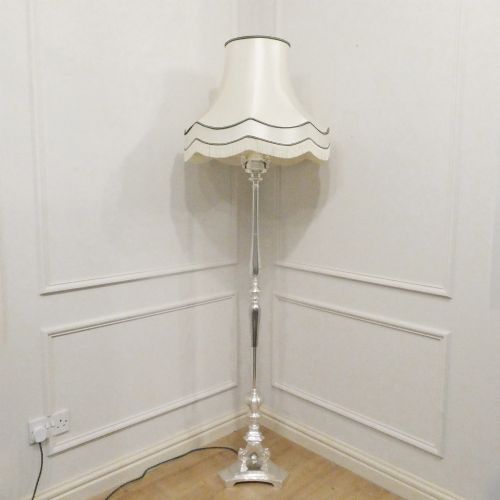
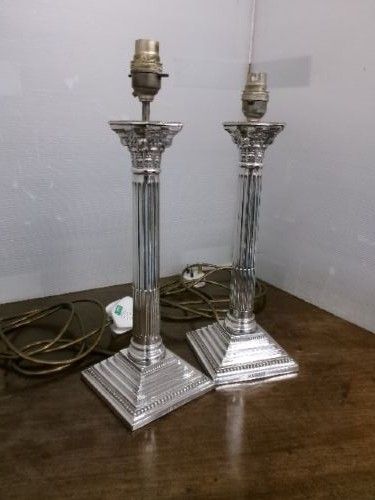
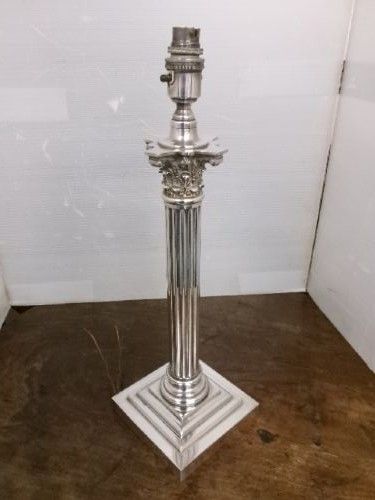
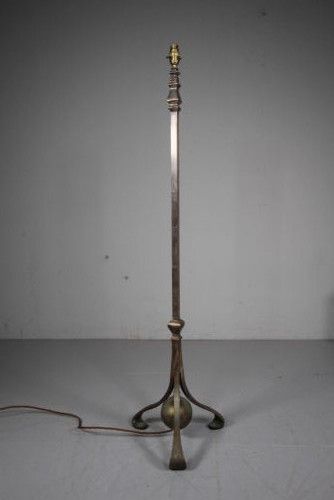
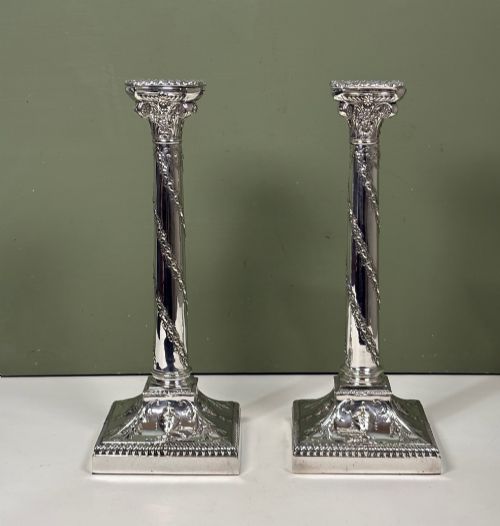
Makers utilised classic architectural forms, notably Corinthian columns and neoclassical revival designs, alongside ornate Victorian and French Empire styles. Functional items range from wall lights and floor lamps to chandeliers and reflector candle lamps.
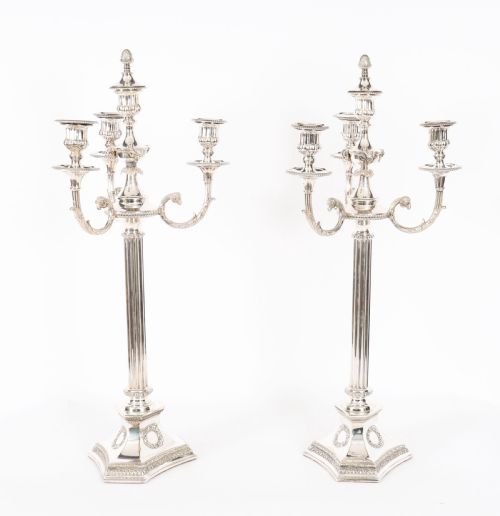
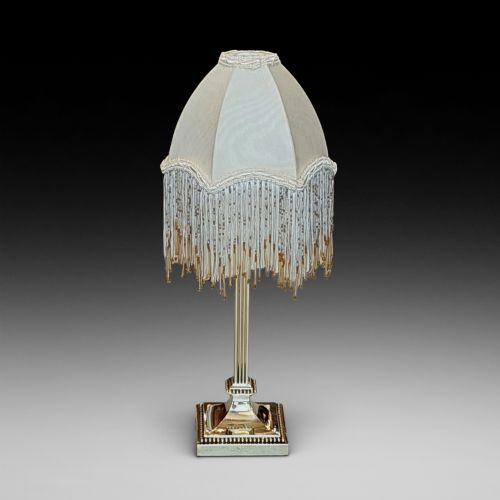
The objects reflect changes in interior illumination from candles to electricity, with many nineteenth-century candlesticks and candelabra later adapted for wiring. Pairs and sets appear frequently, particularly among table lamps and candelabra from the Victorian and Edwardian eras.
Materials and methods of construction
The underlying structure of these items typically consists of base metals such as brass, copper, or electroplated nickel silver, overlaid with a layer of silver. Early pieces employ Old Sheffield plate techniques, while later items utilise electroplating, often abbreviated as EPNS.
Details are cast or stamped, displaying styles from Georgian restraint to elaborate Rococo revival ornamentation and Jugendstil curves. Component parts are assembled with threaded rods or soldered joints, supporting shades of fabric and glass where lamps are concerned.
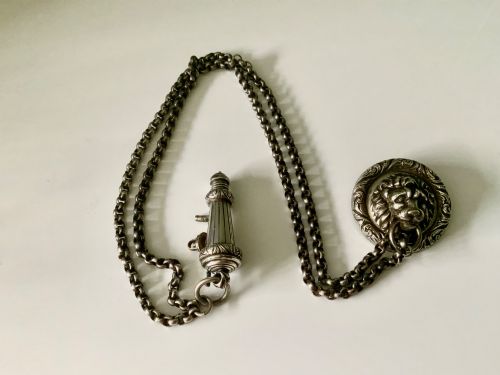
A solitary silver-plated infantry whistle and chain keeps watch among the heavy candelabra and floor lamps.
Distinctions in craftsmanship and design
The division between standard production and top tier manufacturing rests on the crispness of the cast ornament and the weight of the underlying metal. Substantial gauge brass or copper provides a heavier base that anchors tall floor lamps and multi-light candelabra securely.
Maker marks from established workshops and retailers indicate high standard output, whereas unmarked items rely purely on the depth of the plating and the precision of the chasing. Surface wear reveals the thickness of the original silver layer applied over the base metal.
Mappin & Webb·Hawksworth Eyre·Garrard & Co·Matthew Boulton·WMF
The Antique Silver Plated Lighting Glossary
- Old Sheffield Plate
- A method of fusing a thin sheet of silver to a thicker copper ingot by heat and pressure before rolling it into sheets for fabrication.
- EPNS
- Electroplated nickel silver, a base alloy of copper, nickel, and zinc coated with a layer of silver through an electrolytic process.
- Corinthian Column
- An architectural support featuring a capital decorated with acanthus leaves, frequently utilised for Victorian and Edwardian table lamp bases.
- Candelabra
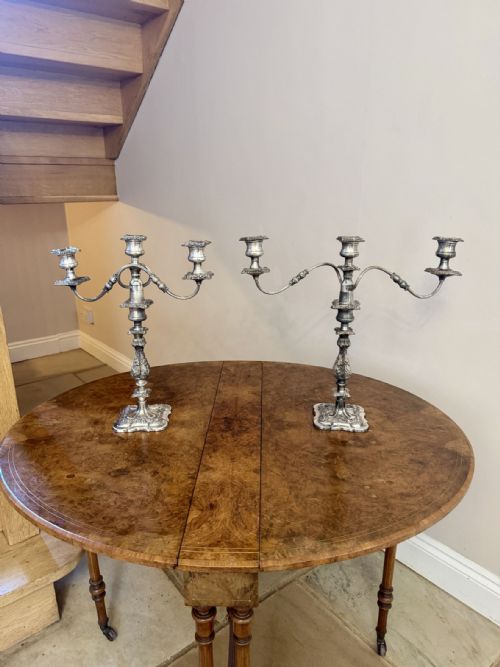
- A branched lighting fixture designed to hold multiple candles, often holding three, four, or five lights in antique silver plated formats.
- Parcel Gilt
- A decorative treatment where specific areas of an object receive a coating of gold, contrasting with the surrounding silver plated surface.
Antique Silver Plated Lighting: Frequently Asked Questions
How do I clean silver plated lighting?
Use a soft cloth and a specialised silver polish designed for plated items to maintain the shine without wearing through the thin metal layer.
Avoid abrasive cloths or harsh chemical dips that strip the remaining silver from the underlying brass or copper base.
Are antique lamps unsafe to use?
Many older lamps utilise outdated wiring that requires professional rewiring to meet modern safety standards before plugging into a mains supply.
A qualified electrician can replace internal cords and lamp holders while preserving the original silver plated exterior components.
How can I tell old Sheffield plate from electroplate?
Old Sheffield plate often reveals a thin red line of exposed copper along edges or wear points where the silver sheet has worn through.
Electroplated nickel silver typically shows a yellowish or greyish base metal beneath worn areas rather than copper.