




Antique Silver Collector
These pieces for the antique silver collector range from early spoons and snuff boxes to novelty pin cushions, built to satisfy a keen eye for historic metalwork.
Antique Silver Collector
When you search for an antique silver collector, you encounter a varied assortment of small domestic items and personal accessories spanning several centuries. The material evidence centres on sterling silver and silver alongside related items incorporating wood, leather, glass, and steel.
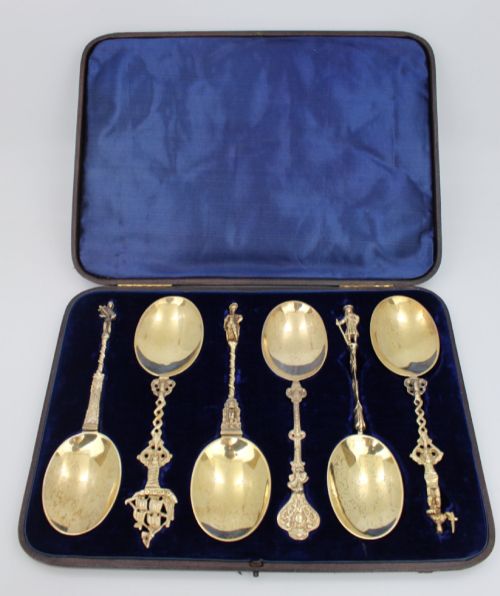
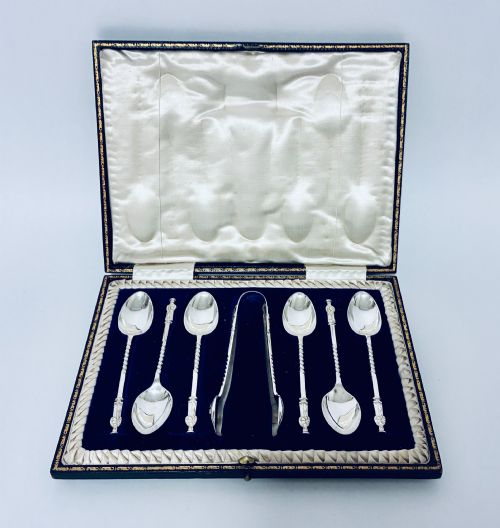
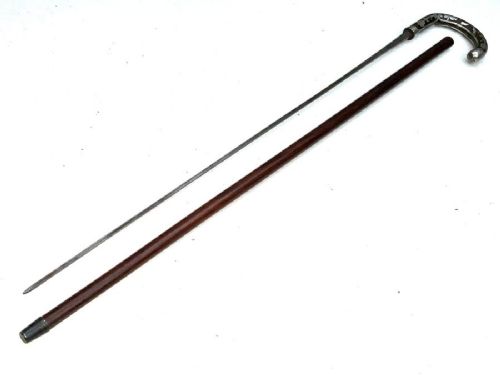
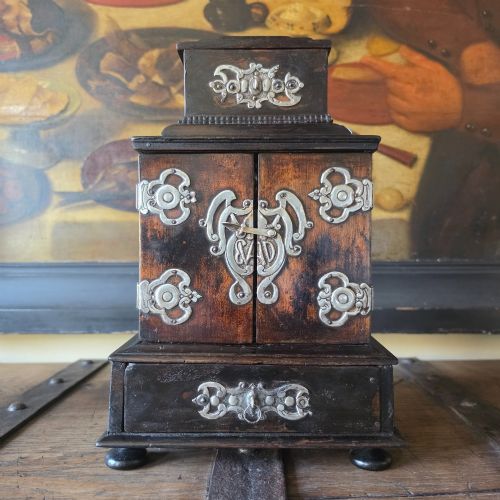
The selection leans heavily towards functional and decorative objects from the 17th, 18th, and 19th centuries, alongside Edwardian and later pieces. You find spoons, snuff boxes, desk accessories, and novelty pin cushions forming the backbone of the selection.
How they were made
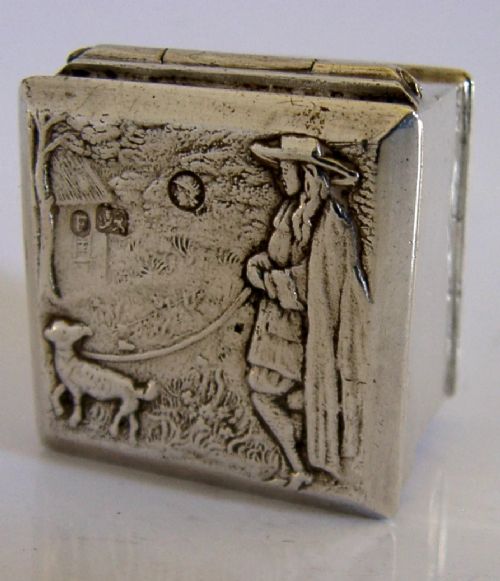
Silversmiths utilised sterling silver and silver, often combining them with organic materials like wood, velvet, leather, and shell for handles, linings, and cases. Techniques include casting, repoussé, and engraving to shape intricate desk accessories and small containers.
Makers integrated steel components in items such as magnifying glasses and flatware, while specialist pieces feature silver-gilt finishes and intricate inlays of gold and silver on leather or wood bases.
Listings feature items spanning the 16th to the 20th centuries, covering periods from Elizabethan to Edwardian and Arts and Crafts.
What varies in quality
Quality rests upon the crispness of the hallmarks, the clarity of the repoussé or cast detail, and the original integrity of the piece. Early spoons and boxes with legible marks from notable makers command attention.
The survival of original fitted cases, such as red Moroccan leather boxes for vinaigrettes, elevates an item's standing. Finesse in novelty forms, from miniature watering cans to figural pin cushions, separates standard production from superior craftsmanship.
Jerimiah Johnson·Nathaniel Mills·Berthold Muller·P H Vogel And Co·W Comyns
The Antique Silver Collector Glossary
- Hallmark
- Official stamps applied to precious metals indicating the standard of purity, the assay office, and the date letter. These marks allow collectors to date pieces accurately.
- Vinaigrette
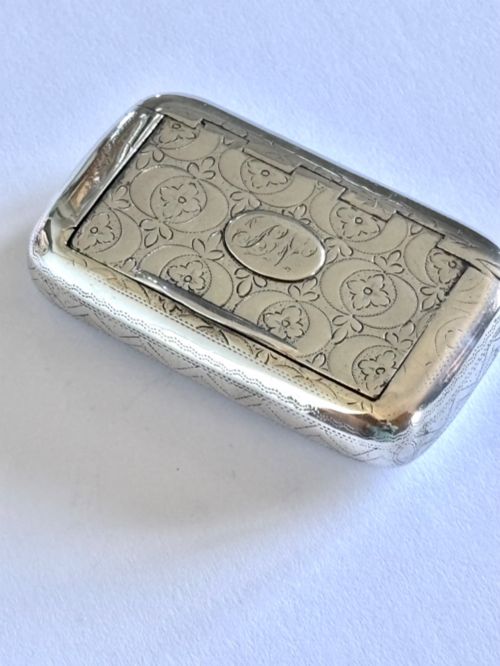
- A small hinged box containing a perforated grille, inside which a sponge soaked in aromatic vinegar was kept. They were popular personal accessories in the Georgian and Victorian periods.
- Seal top spoon
- An early spoon style featuring a terminal shaped like a solid round seal, often engraved with initials or a crest. They appear in 16th and 17th-century English silver.
- Trefid spoon
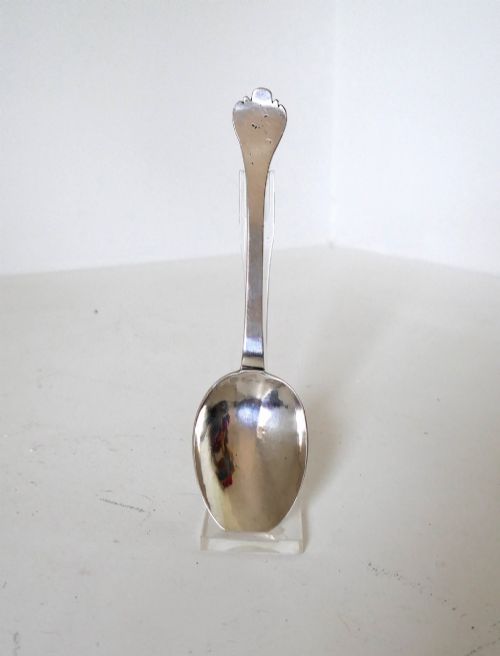
- A dining spoon with a broad, flat, three-lobed handle terminal popular in the late 17th century during the Restoration and reign of Charles II.
- Repoussé
- A metalworking technique where the artisan hammers the design from the reverse side to create a raised relief pattern on the surface.
Antique Silver Collector: Frequently Asked Questions
What is a caddy spoon used for?
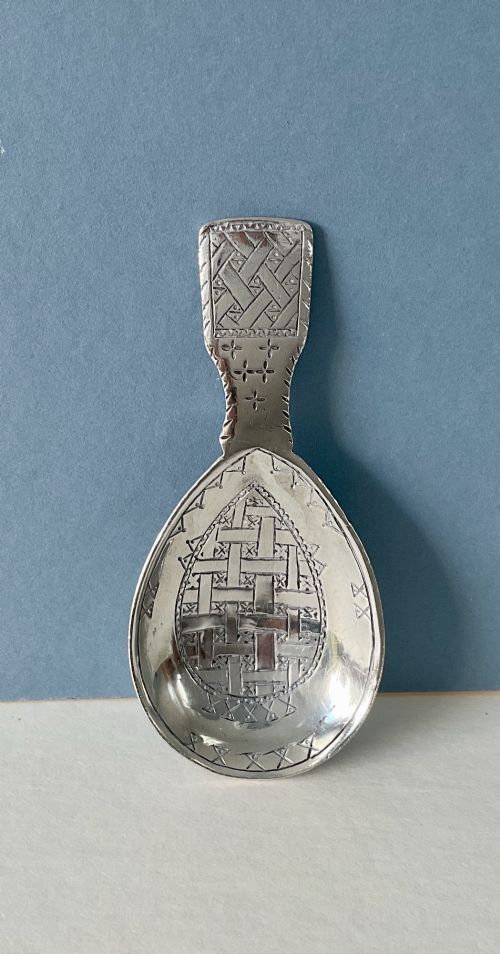
These small spoons measure out loose tea leaves from a caddy into a teapot. Their shallow bowls and short handles were specifically designed for the tea table.
Many examples take decorative forms, including jockey caps and leaf shapes, making them a favourite focus for specialist collectors.
How do I identify early silver spoons?
Early spoons feature distinctive handle terminals such as slip tops, trefids, or seal tops. Checking the stem for clear hallmarks helps establish the exact period and maker.
Handling pieces from the 16th and 17th centuries reveals thicker gauge metal and hand-hammered surfaces distinct from later factory-made flatware.
What are novelty silver pin cushions?
Edwardian silversmiths produced small pin cushions shaped as animals, birds, and everyday objects like boots and wheelbarrows. They sat on dressing tables to hold pins.
These pieces combine functional sewing tools with whimsical miniature sculpture, often retaining their original velvet pads.
What is a silver-gilt vinaigrette?
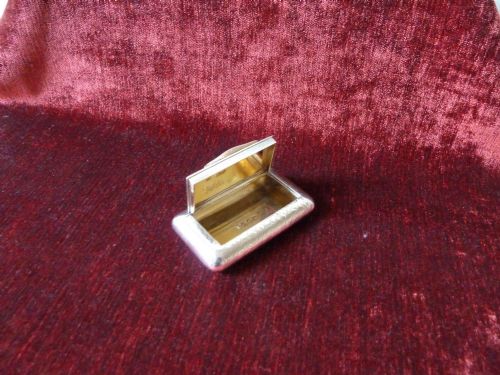
A vinaigrette is a small container for holding a scented sponge to counter unpleasant odours. Silver-gilt versions feature a layer of gold applied over the sterling silver interior.
They frequently survive with custom leather cases and intricate pierced grilles designed to release fragrance slowly.