



Antique Silver Chair
These antique silver chair selections encompass miniature novelties and full-scale gilt seats, offering remarkable decorative presence for the discerning collector.
Antique Silver Chair
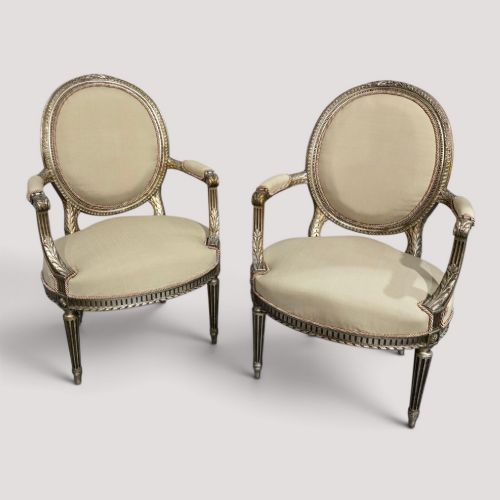
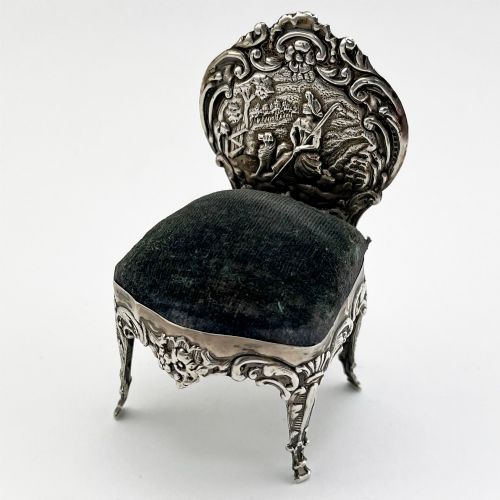
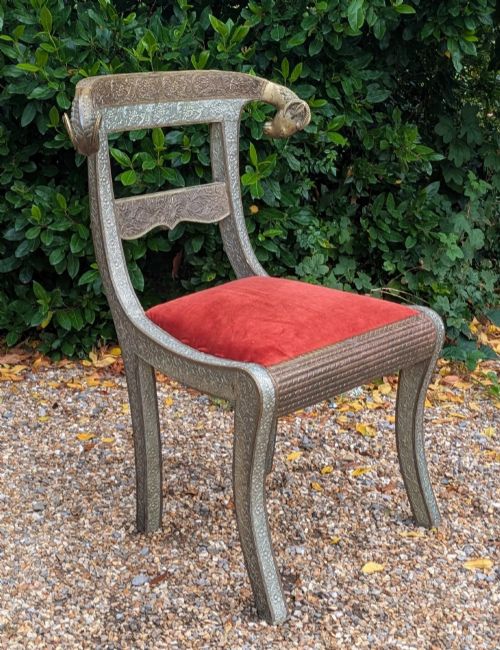
When you search for an antique silver chair, you encounter a surprisingly diverse array of objects ranging from diminutive novelty pin cushions to monumental full-scale seating. The full-scale examples include Italian Rococo armchairs finished in silver gilt alongside painted English dining chairs.
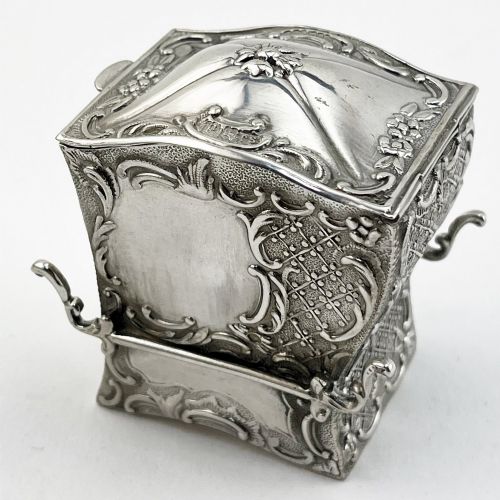
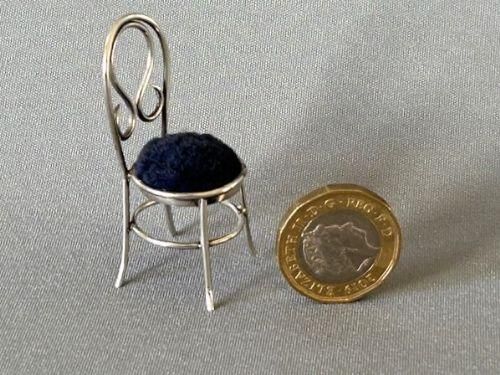
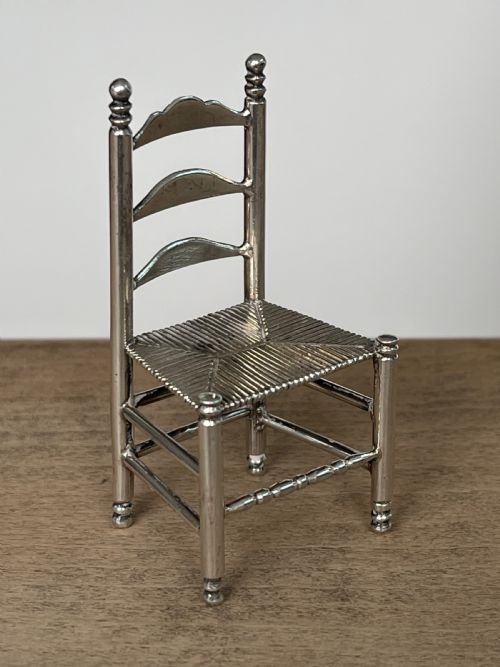
You are most likely to meet miniature silver models and novelty containers on this page, such as Victorian sedan chair playing card cases and doll's house seating. These smaller pieces demonstrate the intricate detail metalsmiths achieved across the nineteenth and twentieth centuries.
The larger items span several centuries and styles, featuring Dutch Baroque influences, French Louis XVI elbow chairs, and Arts and Crafts folding chairs on plinths. Each period brings distinct proportions and ornamentation to the category, uniting miniature craftsmanship with grand domestic seating.
Materials and construction methods
Makers utilised sterling silver and silver gilt applied over carved wood or cast metal foundations to achieve the desired metallic lustre. Full-scale seating often combined giltwood with upholstery fabrics such as velvet and hessian.
Miniature pieces and novelties relied on precise silversmithing techniques to replicate full-sized furniture in miniature form. Enamel additions occasionally enhanced presentation pieces, while wooden frames provided structural integrity for the larger armchairs.
Antique Silver Chair Retail Price Guide 2026
Typical asking prices for silver chair among the pieces listed under this phrase on Sellingantiques today, from the lower quarter to the upper quarter. They describe what is for sale here now, not the wider market.
Listings feature periods spanning the eighteenth century through to nineteen-fifty, alongside materials like sterling silver, velvet, and giltwood.
Distinctions in quality
The distinction between ordinary and exceptional pieces rests upon the crispness of the chasing and the fidelity of the miniature scale. Finer items exhibit sharply defined carving and robust structural joinery in both silver and wood.
Surface finish and material composition also divide the range, with substantial sterling silver and deep silver leaf applications marking superior craftsmanship. Original upholstery and well-preserved gilt surfaces elevate the standing of larger chairs.
The Antique Silver Chair Glossary
- Silver gilt
- Silver that has been coated with a thin layer of gold on its surface. This technique provides the warm appearance of solid gold while utilising a silver base.
- Sedan chair
- A closed, litter-like vehicle for one passenger, popular in the eighteenth century. Miniature versions served as decorative card cases and trinket holders.
- Chasing
- A metalsmithing technique where the metal is worked from the front with a hammer and punches to sink the relief. It creates intricate surface decoration without removing material.
- Pin cushion
- A small pad used for holding pins, frequently fashioned into novelty shapes by Victorian silversmiths. These functional items doubled as decorative desk ornaments.
- Arts and Crafts
- A design movement championing traditional craftsmanship and simple forms. Pieces from this style often feature hand-worked metals and honest construction.
Antique Silver Chair: Frequently Asked Questions
What were silver miniature chairs used for?
Miniature silver chairs served primarily as decorative cabinet pieces and conversation items during the Victorian and later periods. Wealthy collectors displayed them within doll's houses or vitrines to showcase fine metalwork.
They also functioned as whimsical desk ornaments, reflecting the period's fascination with diminutive household objects and precision craftsmanship.
How do I date an antique silver chair?
Dating relies heavily on hallmarks stamped onto the silver components, which indicate the assay office and year of manufacture. Stylistic markers such as Rococo curves or Arts and Crafts austerity also help narrow the period.
Comparing the construction methods of the underlying wood or metal frame provides further chronological context for full-scale seating.
How should I clean a silver chair?
Cleaning requires a soft microfibre cloth and gentle handling to avoid damaging delicate silver leaf or intricate chasing. Harsh chemical dips must be avoided, especially on pieces with enamel or fabric upholstery.
Consulting a professional conservator is advisable for valuable giltwood or antique textile elements attached to the seating.