




Antique Silver Carriage
These antique silver carriage pieces bring portable horology and travel items into domestic spaces, prized for their refined metalwork and mechanical intricacy.
Antique Silver Carriage
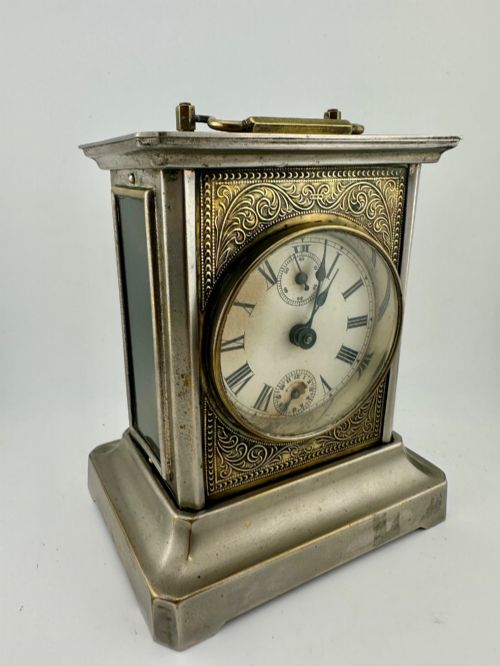
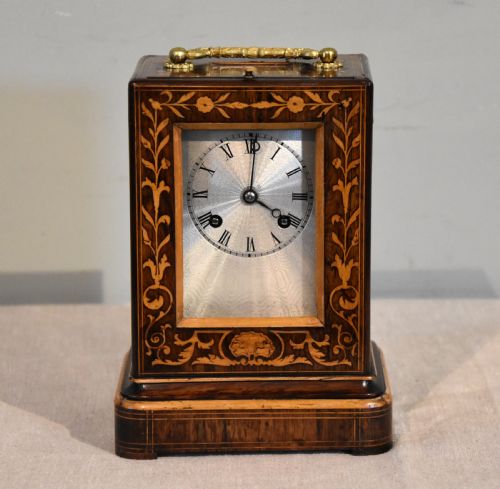
When searching for antique silver carriage pieces, buyers encounter a specialised selection of portable timepieces, travel clocks, and related items housed in silver or silver-plated metal. These objects span the Victorian, Edwardian, and early twentieth-century periods, capturing the functional elegance required by nineteenth and twentieth-century travellers.
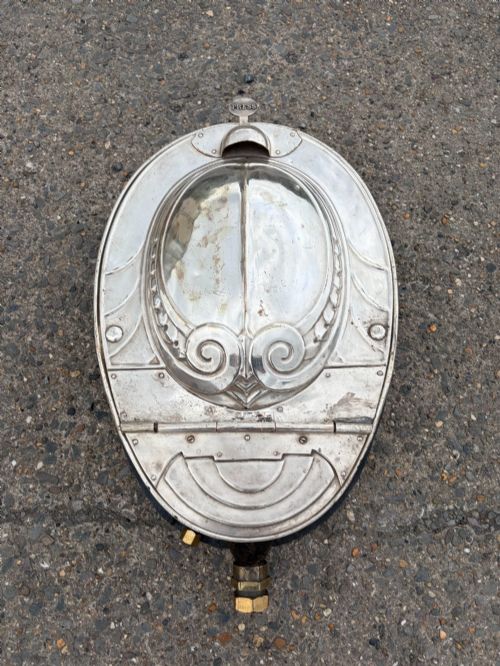
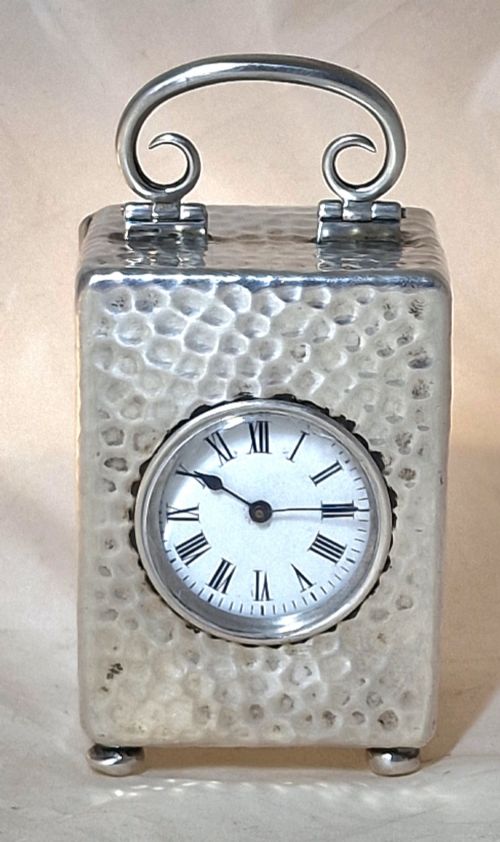
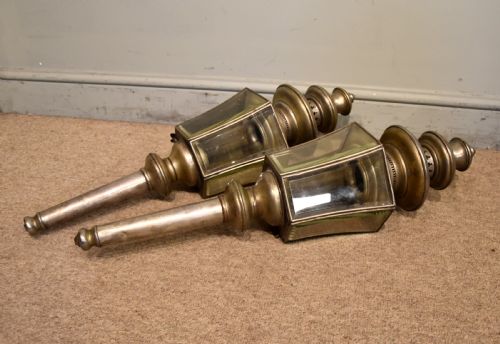
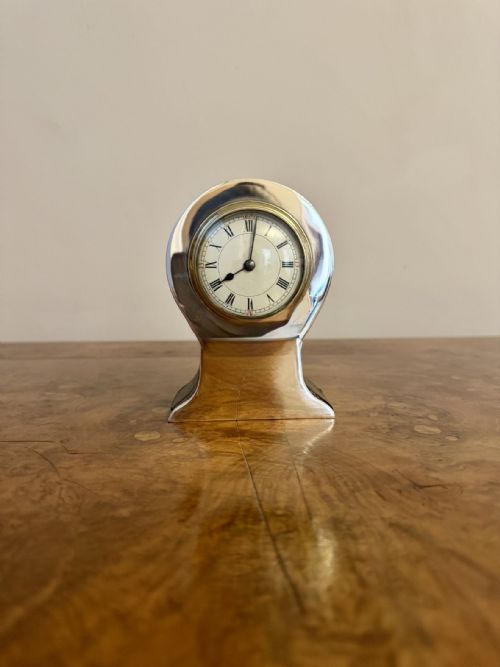
The items listed on this page comprise miniature desk clocks, repeating carriage clocks, and novelty items like spirit barrels on carriages, alongside travel accessories. Most examples originate from French workshops or English makers, reflecting the cross-channel exchange of horological design during the late nineteenth century and the Edwardian era.
Collectors find that these pieces range from simple brass frames encased in hallmarked sterling silver to elaborate designs featuring enamel work and gilt finishes. The selection leans heavily toward miniature boudoir timepieces and heavy travel clocks designed to withstand motion while maintaining precise time.
Materials and construction
The construction of these pieces relies on solid sterling silver, silver plate, and brass frameworks combined with clear glass panels that reveal the internal movement. Many examples integrate decorative elements such as blue guilloche enamel, floral enamel work, and gilt brass accents to enhance the visual depth of the exterior case.
Makers utilised traditional metalworking techniques including casting, hammering, and chasing to adorn the silver exterior shells with intricate surface patterns. Clock movements within these cases required delicate gear cutting, jewel bearing, and escapement assembly executed by specialist horologists.
Antique Silver Carriage Retail Price Guide 2026
Typical asking prices for silver carriage among the pieces listed under this phrase on Sellingantiques today, from the lower quarter to the upper quarter. They describe what is for sale here now, not the wider market.
Listings feature items from the Victorian, Edwardian, and Art Deco periods, utilising silver, glass, enamel, and brass.
Determining quality
Superior quality in these pieces shows in the crispness of the chased or hammered silver decoration and the weight of the metal casing. Lesser examples employ thin silver plating over base metal or rely on mass-produced stamped components rather than hand-finished detailing.
The mechanical sophistication of the interior movement separates standard timepieces from exceptional ones, particularly those featuring repeating mechanisms or complicated date work. Original signed movements by established makers retain greater integrity than generic replacements.
Georg Adam Scheid·William Comyns·J Batson And Son·Veritas Lamp Works·Thomas Cole And James Cole·Hunt And Roskell·Paul Garnier·Le Roy Et Fils·Henry Matthews·Delépine
The Antique Silver Carriage Glossary
- Carriage clock
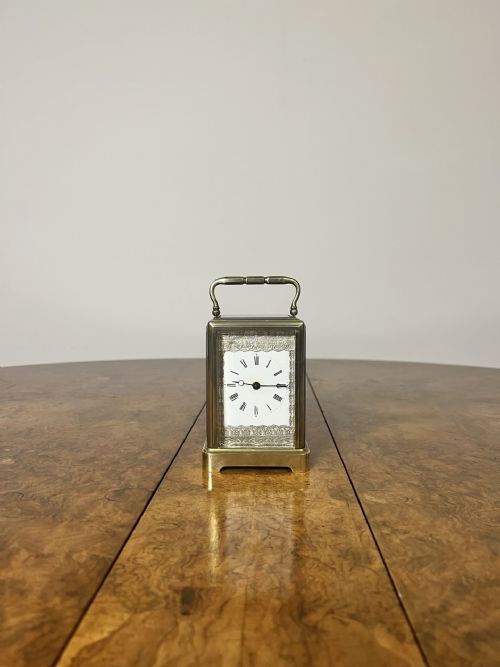
- A small, spring-driven clock designed for travel, featuring a carrying handle on top and glass panels on the sides to view the movement. These clocks originated for military and civilian use during journeys.
- Repeating carriage clock
- A specialised timekeeper that chimes the hours and quarters upon pressing a button on the case, allowing the user to check the time in the dark.
- Guilloche enamel
- A decorative technique where a precise pattern is mechanically engraved into metal beneath a translucent layer of coloured enamel, creating a repeating geometric design.
- Fusee
- A conical pulley used in mechanical clocks to maintain an even tension on the gear train as the mainspring unwinds, ensuring steady timekeeping.
- Sterling silver
- An alloy consisting of silver and other metals, usually copper, standardised to contain a high purity level suitable for durable tableware and decorative cases.
Antique Silver Carriage: Frequently Asked Questions
How do I wind a carriage clock?
Most of these clocks require a specific winding key inserted into the arbours located on the back plate of the movement. Care must be taken not to overwind the mainspring.
Rotating the key gently until resistance is felt ensures the spring reaches full tension without damaging internal teeth.
Were these clocks meant to be carried daily?
While originally built for travel in horse-drawn carriages and early railway compartments, modern handling is best kept to stationary display. The delicate glass panels and intricate escapements remain sensitive to sudden jolts.
Placing them on stable mantelpieces or desks protects the mechanical balance wheels from accidental drops.
How do I distinguish Edwardian pieces from Victorian ones?
Edwardian items often display lighter, more delicate Art Nouveau or neoclassical influences, whereas Victorian pieces tend toward heavier ornamentation and robust proportions. Examining the hallmarks on the silver case provides the exact year of assay and maker's mark.
Stylistic shifts toward geometric Art Deco forms begin to appear in the later pieces from the 1920s.
Can missing keys be replaced?
Replacement keys are widely available through specialist horological suppliers who match the exact square dimensions of the winding arbour. Sizing the key correctly prevents rounding off the steel winding squares over repeated use.