

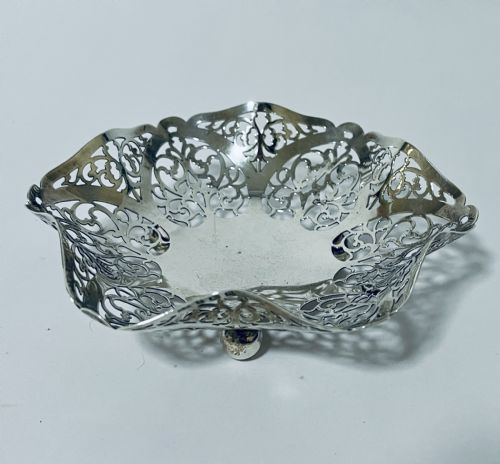


Antique Silver Candy Dishes
These antique silver candy dishes range from Edwardian sterling baskets to Art Nouveau bonbon bowls, offering small-scale elegance for the modern table.
Antique Silver Candy Dishes
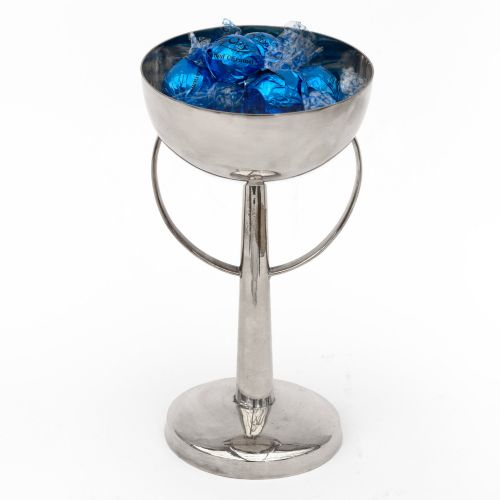
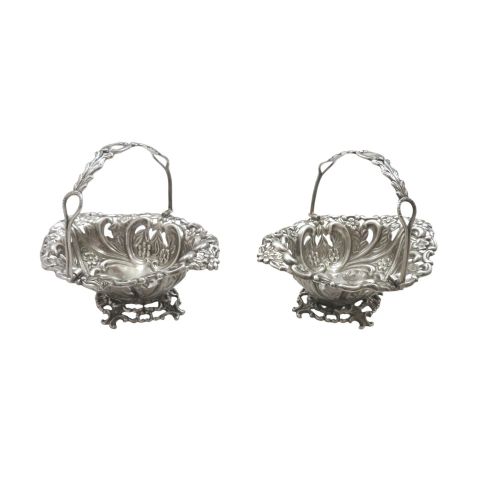
When you search for antique silver candy dishes, you find small receptacles designed for sweets, bonbons, and nuts across the Victorian, Edwardian, and Art Deco periods. The form includes open decorative bowls, handled baskets, and covered sweet bowls intended for formal dining or parlour tables.
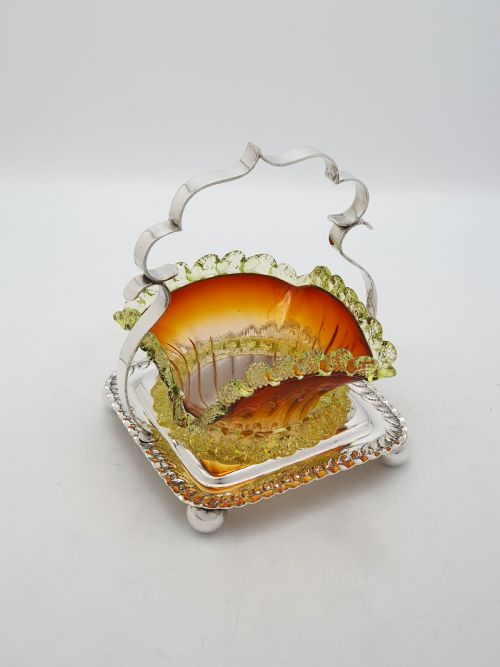
The version you are most likely to meet on this page is the silver plated bonbon dish, often dating from the early twentieth century or the Edwardian era. These pieces frequently incorporate glass inserts, such as amber or pink opaque glass, held within pierced metal frameworks.
Makers utilised various descriptive titles for these items, including sweet dishes, trinket dishes, and nut bowls. While some date to the late Victorian period around eighteen eighty, the majority reflect the fluid lines of Art Nouveau or the geometric restraint of the Deco era.
How they were made
Makers combined sterling silver and silver plate with cut crystal and coloured glass to produce these decorative vessels. Metalwork techniques involved piercing, casting, and silver plating over a base metal, often seen in pieces from Sheffield and major manufacturing firms.
Glass components were mouth blown, moulded, and deeply cut to fit specific metal baskets and bowls. Combinations such as silver plated frameworks paired with amber glass or pink opaque glass demonstrate the technical versatility of late nineteenth and early twentieth century workshops.
Antique Silver Candy Dishes Retail Price Guide 2026
Typical asking prices for silver candy dishes among the pieces listed under this phrase on Sellingantiques today, from the lower quarter to the upper quarter. They describe what is for sale here now, not the wider market.
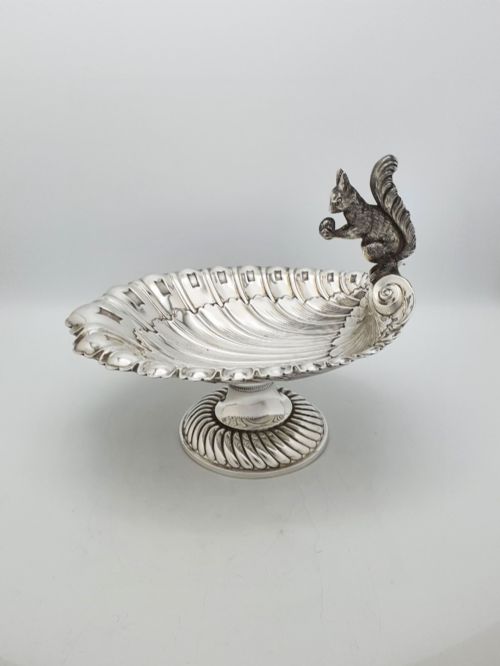
One cheerful squirrel sits permanently poised on a nut dish, ready to guard the collection.
What varies in quality
The standard of workmanship depends on the crispness of the pierced metalwork and the weight of the silver plating or sterling silver used. Superior examples display detailed casting on handles and rims, whereas simpler items rely on plain stamped sheet metal.
The quality of the companion material also dictates the standard of the piece, particularly where heavy cut crystal or hand finished coloured glass is integrated. Maker attribution, such as work originating from Mappin and Webb or WMF, distinguishes standard production from finer output.
WMF·Mappin and Webb
The Antique Silver Candy Dishes Glossary
- Bonbon dish
- A small ornamental bowl or basket specifically intended for holding sweets or sugar confectionery. These items often feature elevated stands or swing handles.
- Silver plate
- A base metal coated with a thin layer of pure silver through electroplating or older techniques. This method allowed makers to produce affordable domestic tableware.
- Sterling silver
- An alloy containing ninety-two point five percent silver and seven point five percent other metals, usually copper. It provides the legal standard for solid silver items.
- Art Nouveau
- A design style characterised by flowing, organic lines and floral motifs, prominent around nineteen hundred. This aesthetic heavily influenced the curves of contemporary metal baskets.
- Cut crystal
- High clarity glass that is cut with geometric or decorative facets to refract light. It adds substantial weight and brilliance to nineteenth century sweet bowls.
Antique Silver Candy Dishes: Frequently Asked Questions
What were antique silver candy dishes used for?
These vessels served sweets, bonbons, and nuts during formal dining and afternoon tea in the Victorian and Edwardian periods. They sat on drawing room tables or dining sideboards for guests.
Over time, their domestic function shifted, and many now serve as decorative items or small trinket containers in modern homes.
How do I clean silver plated candy dishes?
Maintenance requires gentle cleaning with a specialised silver polishing cloth to preserve the plated surface without wearing it down to the base metal. Avoid harsh chemical dips that strip away the original patina.
If the piece includes a glass or crystal insert, remove it before polishing the metal frame to prevent liquid damage.
Are these dishes made of solid silver?
The inventory includes both sterling silver and silver plated items, with the latter being more common among early twentieth century domestic wares. Sterling pieces carry hallmarks that indicate the metal standard and assay office.
Silver plated items use a base metal substrate beneath the exterior silver coating, which is a standard manufacturing method for the period.
How can I date an antique bonbon dish?
Stylistic indicators such as the sinuous curves of Art Nouveau or the linear geometry of the Art Deco period provide initial chronological markers. Hallmarks on sterling silver pieces offer precise assay dates and maker marks.
Material choices, such as pink opaque glass or amber glass inserts, also help place pieces within Victorian or Edwardian production spans.