






Antique Silver Burner
An antique silver burner is a functional vessel designed to heat liquids or scent spaces, offering period charm for the modern home.
Antique Silver Burner
When you search for an antique silver burner, you encounter an array of vessels designed for heating, lighting, and fragrance, spanning the nineteenth and twentieth centuries. The selection encompasses Edwardian and Victorian spirit kettles on stands, oil lamps, chafing dishes, and pot pourri boxes.
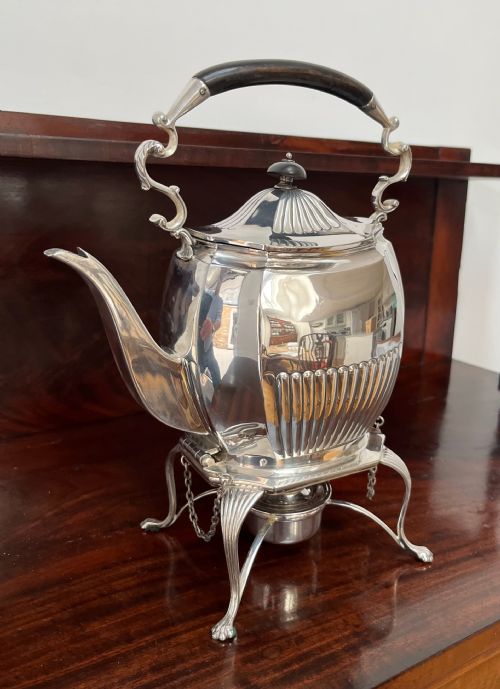
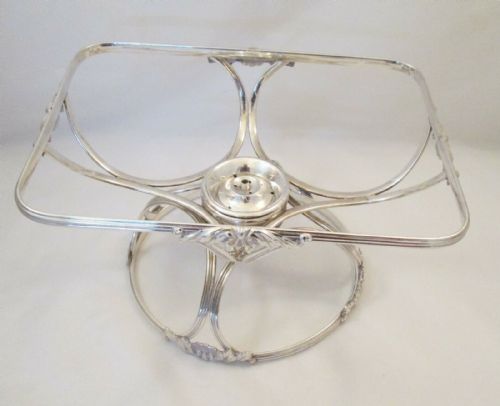
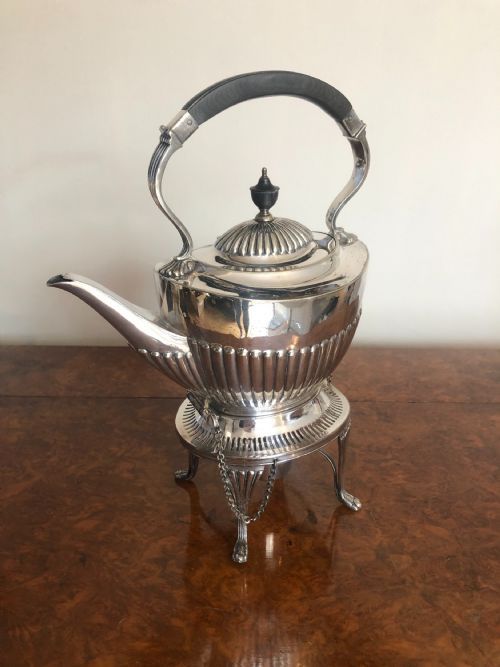
The version you are most likely to meet on this page is the silver plated spirit kettle on a stand, often dating from the Edwardian period or the year 1900. These pieces typically include a dedicated burner beneath the vessel to keep water or tea warm.
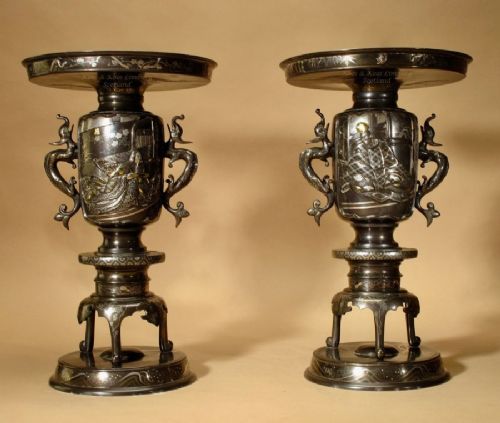
Other variations appearing across the inventory include Japanese bronze and silver koro, French tea urns, and ceramic food warmers fitted with silver plate mounts. Each form reflects the domestic rituals of its period, from formal tea service to interior illumination.
Materials and manufacturing methods
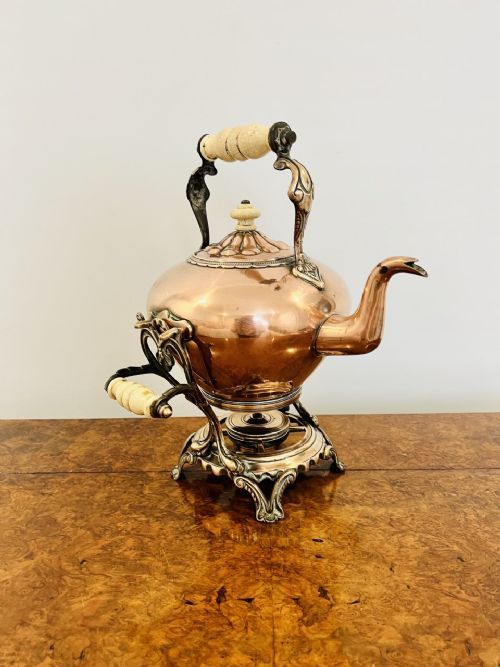
The pieces recorded in the inventory utilise a foundation of silver plate, sterling silver, copper, or bronze, often combined with secondary materials such as ebony, bone, wood, and brass. Makers applied gold inlay to select bronze and metal surfaces for decorative contrast.
Techniques range from traditional British silversmithing to Japanese Meiji metalworking and Chinese Qing Dynasty casting. Spirit kettles and oil lamps required precise assembly of stands, burners, and handles to ensure structural balance during use.
Antique Silver Burner Retail Price Guide 2026
Typical asking prices for silver burner among the pieces listed under this phrase on Sellingantiques today, from the lower quarter to the upper quarter. They describe what is for sale here now, not the wider market.
Listings span periods from the 1800s through the Edwardian era to 1930, featuring silver plate, bronze, copper, and ceramic materials.
Evaluating craftsmanship and distinction
Quality in these items rests upon the crispness of casting, the integrity of the plating, and the retention of original components like matching burners and stands. Pieces bearing clear maker marks from established firms demonstrate higher workshop standards.
The weight of the metal and the refinement of decorative details, such as hand-chased motifs or integrated wood and bone insulators, separate standard utility wares from finer exhibition pieces.
Walker & Hall·Mappin and Webb·Risler and Carré Paris·Fenton Brothers·Frederik Ellis Tim & Co·Paul Storr
The Antique Silver Burner Glossary
- Spirit kettle
- A tea kettle mounted on a metal stand with an integrated spirit burner beneath to maintain the water temperature. These assemblies were popular during the Victorian and Edwardian eras for drawing room tea service.
- Coffee biggin
- A tall coffee pot fitted with an internal straining apparatus and frequently placed on a stand with a heating lamp. Paul Storr examples represent the height of this form.
- Censer
- A vessel designed for burning incense, seen in Asian decorative arts from the late Qing Dynasty. Antimony and bronze are common metals for these pieces.
- Peg oil lamp
- A reservoir lamp with a lower spigot designed to fit into a separate candlestick or base. Satin glass and silver plate frequently form the bodies of these Victorian items.
Antique Silver Burner: Frequently Asked Questions
What is a spirit kettle used for?
A spirit kettle sits upon a metal stand above a small burner filled with methylated spirit or alcohol. This setup kept water hot throughout long Victorian and Edwardian tea services without requiring trips back to the kitchen.
The burner flame could be adjusted or extinguished using a matching cap, making the apparatus both practical and portable for drawing room entertaining.
How do I identify an Edwardian spirit kettle?
Edwardian pieces, largely dating around 1900 to 1910, often feature extensive silver plating over a base metal core. They frequently incorporate wooden or bone insulators on the handles to prevent heat transfer.
Design styles during this era leaned towards revived Georgian aesthetics or practical domestic forms, often stamped with maker marks from prominent silversmiths.
Are these burners safe to use today?
Most buyers acquire these pieces for display, interior styling, or collection rather than active household service. The historical burners use liquid fuel systems that do not meet modern safety standards for indoor domestic heating.
If utilised, burners require thorough inspection by a professional to ensure fuel chambers remain sound and free from leaks.
What materials are common in these pieces?
Silver plate on copper or white metal forms the majority of British tea wares and kettles in the listings. Sterling silver appears in select pieces by makers like Paul Storr and Walker & Hall.
Asian pieces introduce bronze, antimony, and gold inlay, while Victorian lamps often incorporate satin glass, wood, ebony, and bone components.