

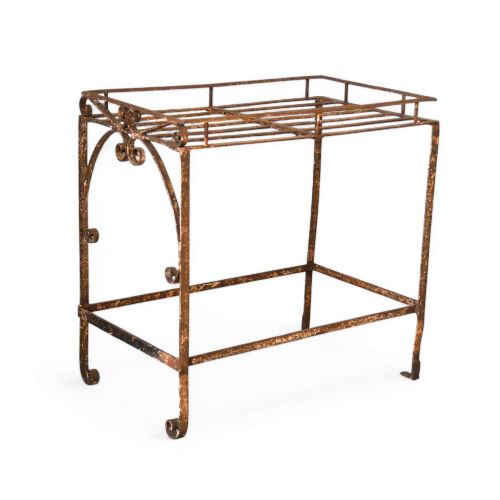



Antique Side Table Rack
An antique side table rack combines a sturdy surface for lamps or books with integrated storage for newspapers, magazines and sheets, offering practical elegance for daily living.
Antique Side Table Rack
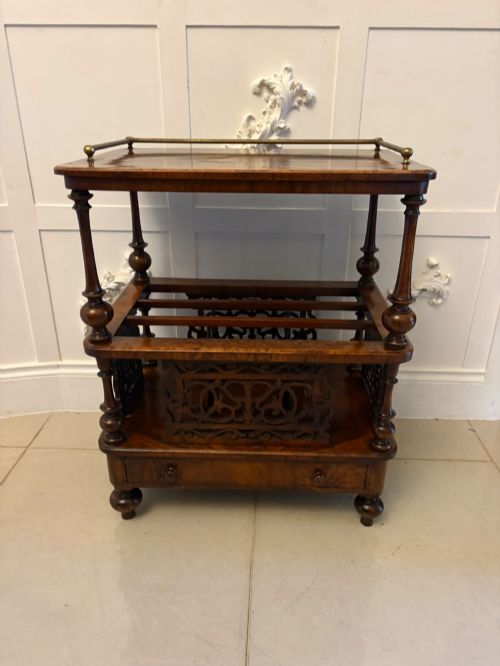
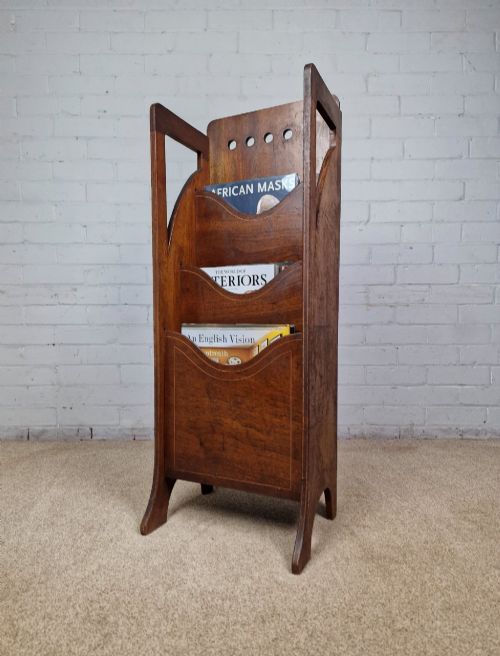
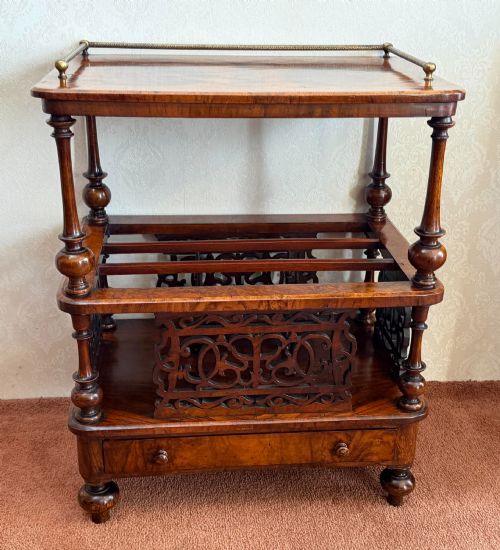
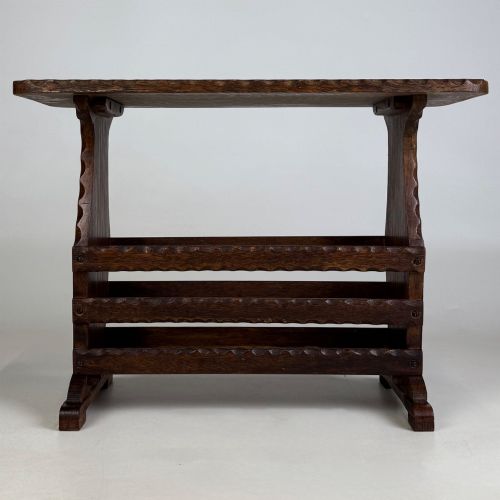
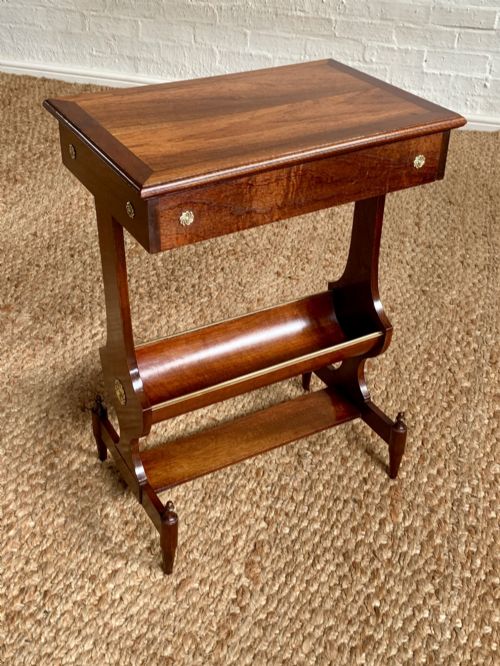
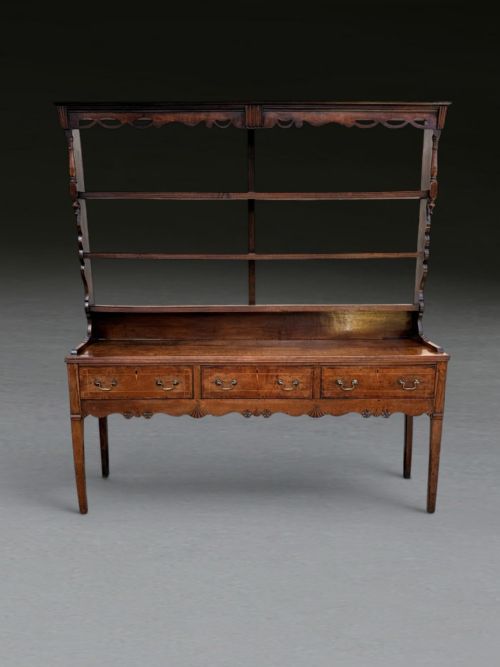
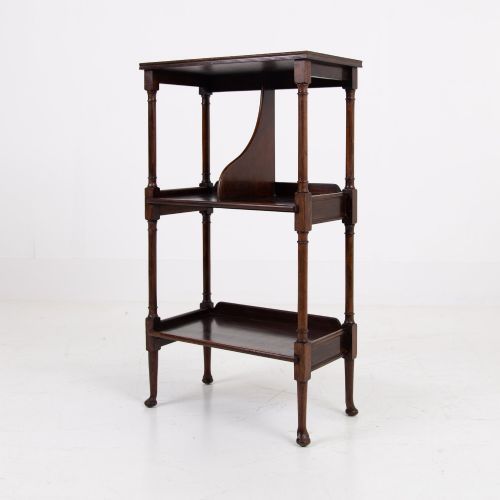
These pieces bridge the gap between display stands and practical storage. Many incorporate drawers, lower shelves, or compartmented racks specifically built for newspapers, periodicals, and sheet music.
Origins span the nineteenth and early twentieth centuries, encompassing Victorian, Edwardian, and Regency periods. Pieces range from compact oak Edwardian side tables to elaborate walnut canterburys with intricate inlay.
How they were made
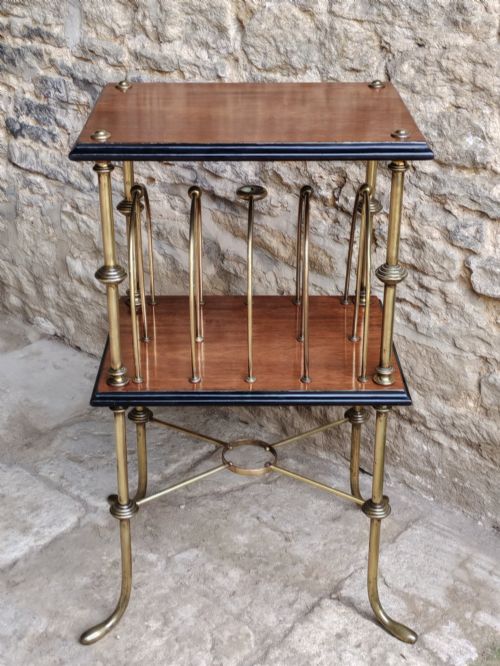
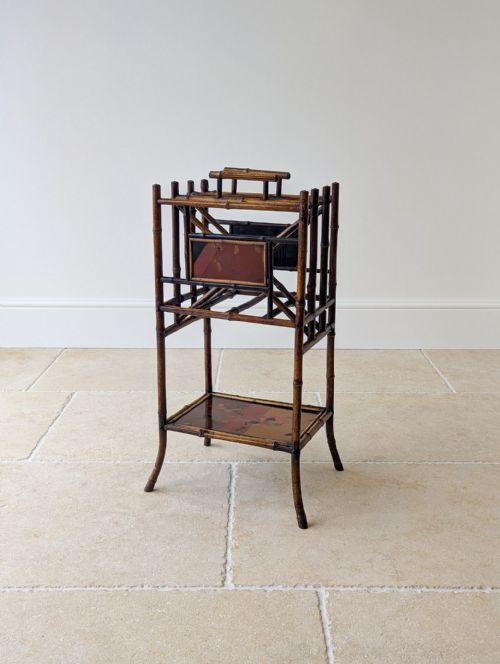
Cabinet makers utilised a selection of fine timbers including burr walnut, mahogany, oak, rosewood, and yew wood, often enhanced with contrasting boxwood stringing and marquetry inlay. Structural elements frequently incorporated brass casters, ormolu mounts, and bamboo framing.
Joinery methods reflected the standards of the 19th and early 20th centuries, combining solid wood frames with expertly veneered surfaces on table tops and compartment dividers. Metal components such as wrought iron, brass rods, and silverplating added both structural support and decorative contrast.
Antique Side Table Rack Retail Price Guide 2026
Typical asking prices for side table rack among the pieces listed under this phrase on Sellingantiques today, from the lower quarter to the upper quarter. They describe what is for sale here now, not the wider market.
Listings span the 19th century, Victorian, Edwardian, and Regency periods, utilising materials such as burr walnut, mahogany, oak, rosewood, and brass.
What varies in quality
The choice of timber and veneer grading distinguishes the finer examples from standard workshop production. Highly figured burr walnut and rich, dense mahogany sit at the upper end, whereas simpler oak and pine pieces serve more utilitarian functions.
Detailing and integration also determine overall merit. Superior pieces feature crisp hand-carving, meticulous ebony and boxwood inlay, integrated drawers with dovetailed joints, and original brass hardware rather than later replacements.
The Antique Side Table Rack Glossary
- Canterbury
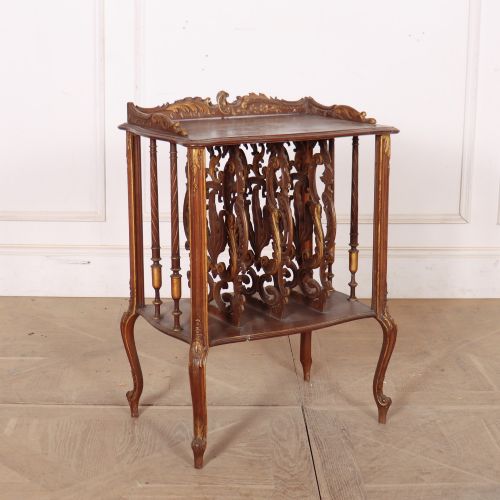
- A low, multi-compartmented stand designed for holding sheet music, newspapers, and magazines. They frequently feature slated vertical dividers and often incorporate a drawer or lower shelf.
- Whatnot
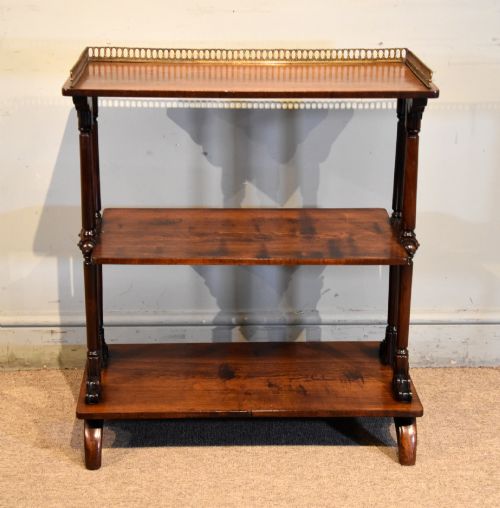
- A set of open shelves used for displaying ornaments and books, typically supported by slender upright pillars. They often appear combined with canterburys in Victorian designs.
- Marquetry
- Decorative patterns formed by the insertion of small pieces of veneer into a fitted wood ground. This technique creates pictorial or geometric designs on table tops and cabinet fronts.
- Aesthetic Movement
- A late 19th-century design style that emphasised visual beauty over narrative or moral function. Pieces from this movement often utilised ebonised finishes or bamboo structures.
Antique Side Table Rack: Frequently Asked Questions
What is a canterbury?
A canterbury is a low stand featuring compartmented divisions designed specifically for holding newspapers, magazines, and sheet music. Many examples also include a small drawer or surface top.
Originally developed in the 18th century, these pieces evolved through the Victorian and Edwardian eras to serve as multi-functional side tables.
How were these tables used?
They served multiple functions in period drawing rooms and parlours, acting as lamp tables while keeping current periodicals neatly organised. The compartments kept reading matter accessible yet tidy.
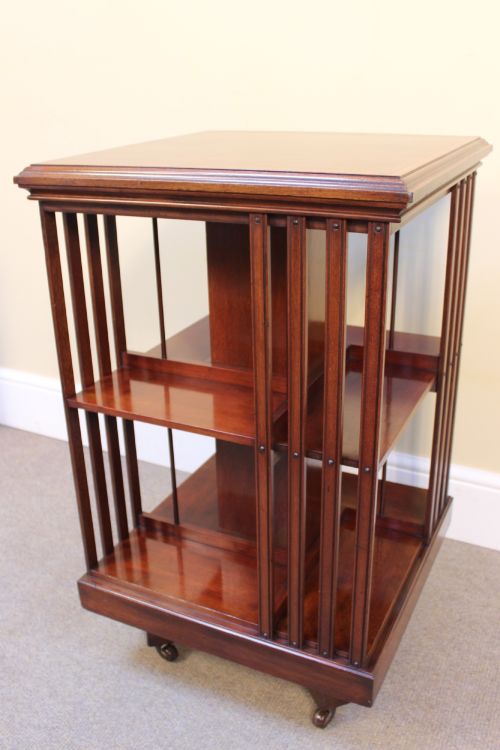
Some variants included folding reading surfaces, music racks, or revolving book mechanisms to assist readers in the home.
How do I date a piece?
Dating relies on identifying timber choices, construction methods, and stylistic cues characteristic of specific reigns and periods. For instance, burr walnut with marquetry inlay points strongly to the Victorian era.
Edwardian pieces often feature lighter oak construction and simpler Arts and Crafts influences, while Regency items display classical proportions and rosewood or mahogany grains.
Can I use these as modern side tables?
Yes, their compact proportions make them well suited for modern living rooms as companion pieces beside sofas or armchairs. The top surface holds lamps or cups while the lower racks store contemporary magazines.
Their robust timber construction ensures they handle daily use while adding period character to an interior space.