



Antique Shop Desk
These antique shop desk pieces are heavy timber counters and utilitarian furnishings designed to anchor a commercial interior, offering enduring function and plain utility.
Antique Shop Desk
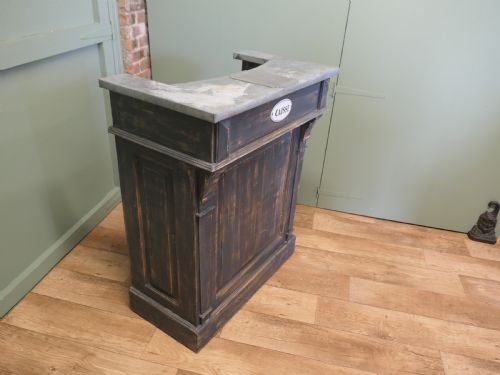
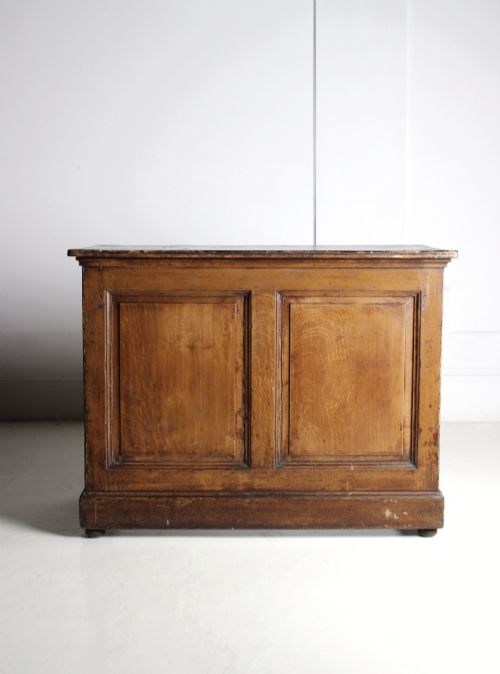
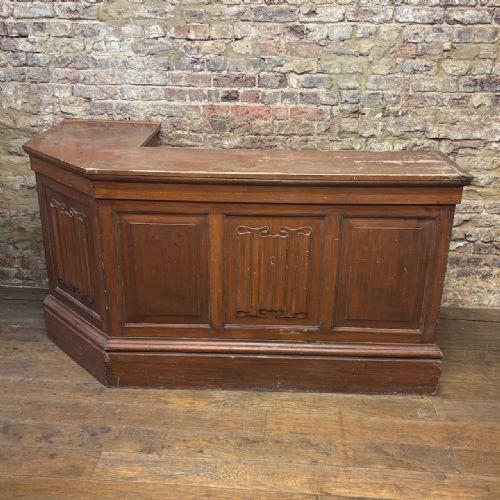
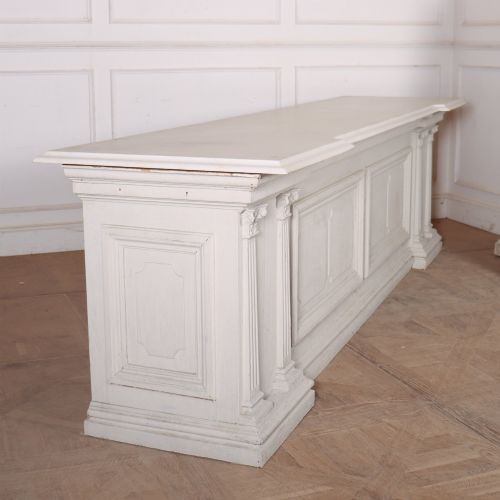
When you search for an antique shop desk, you encounter sturdy counters, greeting stations, and drapers tables built for trade rather than domestic parlours. These survivors originate primarily from the nineteenth century, the Edwardian era, and the interwar period.
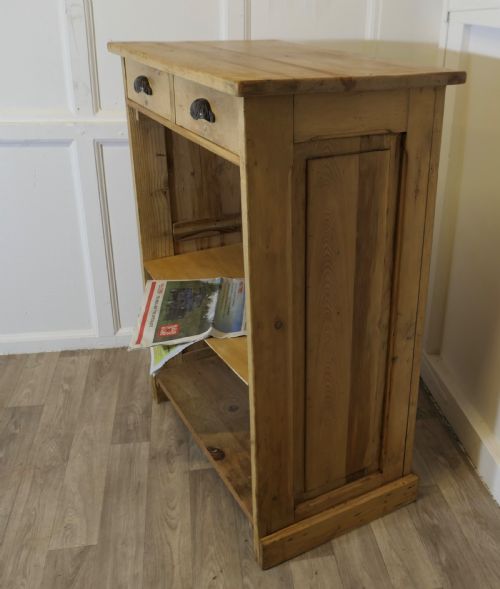
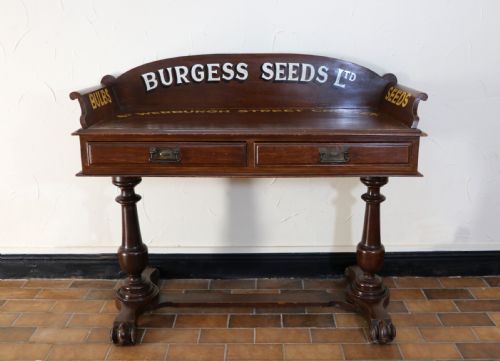
The version you meet most often on this page is the large pine or oak shop counter, frequently painted or finished to mimic finer timbers. Alongside these sit smaller specialist pieces including watchmaker cabinets, brass desk bells, and tabletop pigeon holes.
Commercial origins define the category, ranging from French provincial bistros to Victorian English drapery stores. They bring utilitarian presence to modern rooms, serving as kitchen islands, side tables, or reception desks.
How they were made
Makers constructed these pieces from robust timbers like pine, oak, and mahogany, selecting them for sheer durability under daily commercial use. Joinery prioritised strength, evident in panelled framework, adjustable feet, and pigeonhole assemblies designed to withstand heavy traffic.
Surface finishes varied from polished mahogany and bare timber to applied paint schemes intended to simulate grander materials like faux oak. Hardware such as brass and bronze counter bells and zinc details completed the functional requirements of nineteenth and twentieth-century commerce.
Antique Shop Desk Retail Price Guide 2026
Typical asking prices for shop desk among the pieces listed under this phrase on Sellingantiques today, from the lower quarter to the upper quarter. They describe what is for sale here now, not the wider market.
Periods represented span from the 1860s through Victorian and Edwardian eras to 1960s French carriage clocks.
What varies in quality
The distinction between ordinary utility and superior quality rests in the integrity of the timber and the honesty of the wear. Pieces constructed from dense, well-seasoned oak or mahogany with original panel construction hold greater structural presence than lighter pine alternatives.
Originality of surface finish dictates the character of each piece. Original paint layers, patinated brass fittings, and untouched commercial adaptations elevate an item above heavily restored or stripped examples.
L Epee
The Antique Shop Desk Glossary
- Counter
- A long sturdy table or desk used for transacting business and displaying goods in a shop. These form the architectural backbone of nineteenth-century retail spaces.
- Drapers table
- A long wooden table originally utilised in fabric shops for measuring and folding textiles. They typically feature deep proportions and understated timber framing.
- Pigeon hole cabinet
- A small wooden storage unit divided into numerous open compartments for sorting paperwork or small items. Watchmakers and merchants relied upon them for organisation.
- Galleried
- A tabletop bordered by a low decorative railing or raised edge to prevent items from rolling off. This feature appears frequently on superior Victorian side tables.
- Counter bell
- A small brass or bronze bell placed upon a desk or counter to summon staff. They often incorporate a spring plunger mechanism.
Antique Shop Desk: Frequently Asked Questions
What is a shop desk?
A shop desk or counter is a heavy commercial furnishing built for retail transactions, hospitality greeting, or trade use.
Unlike domestic desks, they prioritise robust timber construction, ample surface area, and functional storage like drawers and pigeonholes.
How were these counters used?
Merchants used them to display goods, wrap purchases, and manage daily accounts in shops, hotels, and restaurants.
Specialist variations like drapers tables and watchmaker cabinets served specific trades requiring organised workspace.
Where do these pieces originate?
The evidence shows examples stemming from English and French commercial environments across the nineteenth and twentieth centuries.
Stylistic influences range from rustic farmhouse and French provincial to Victorian and interwar commercial designs.
How do I style a shop counter at home?
Their substantial proportions make them natural focal points as kitchen islands, hallway consoles, or reception surfaces.
Pairing them with simpler modern elements allows the patinated timber and original hardware to stand out.
What materials should I expect?
Primary construction relies on utilitarian timbers including pine, oak, and mahogany, often enhanced with brass or bronze hardware.
Surfaces frequently display historic paint finishes, faux oak graining, or polished wood showing decades of active use.