



Antique Shell Jewellery
When you search for antique shell jewellery, you enter a world of carved portraits and marine materials shaped across the Victorian and Edwardian eras.
Antique Shell Jewellery
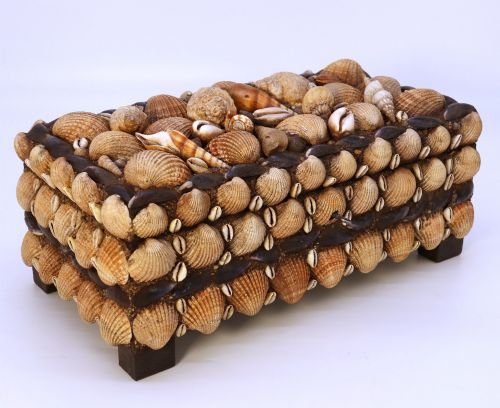
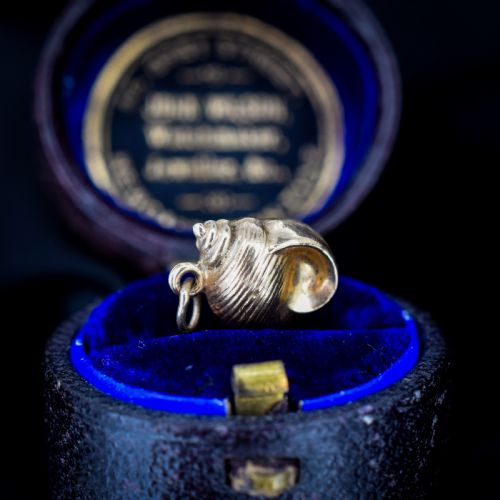
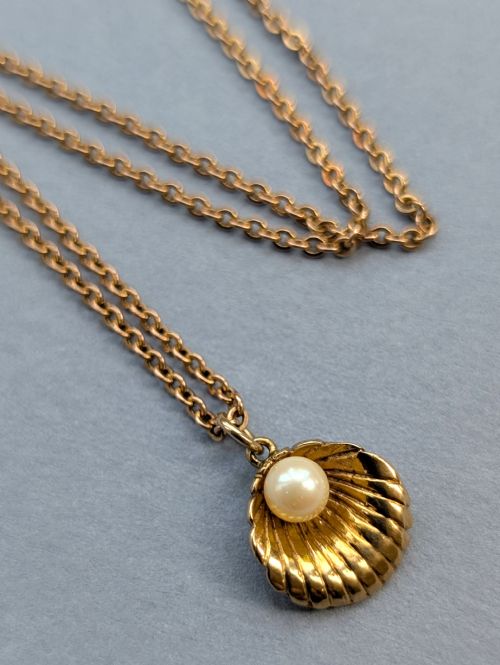
Antique shell jewellery encompasses wearable ornaments and decorative containers fashioned from marine materials, with brooches, pendants, and tortoiseshell boxes forming the core of the selection.
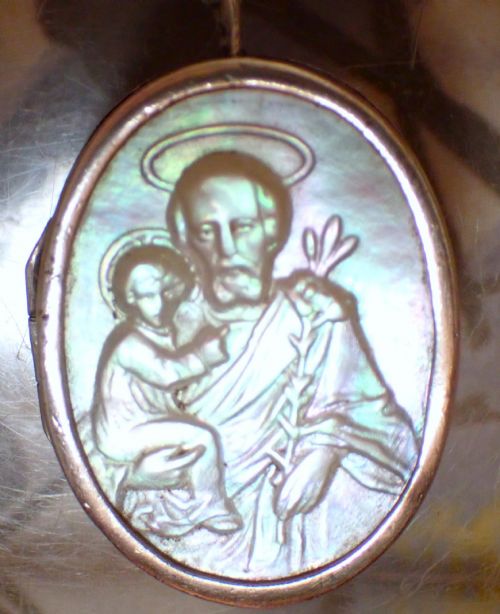
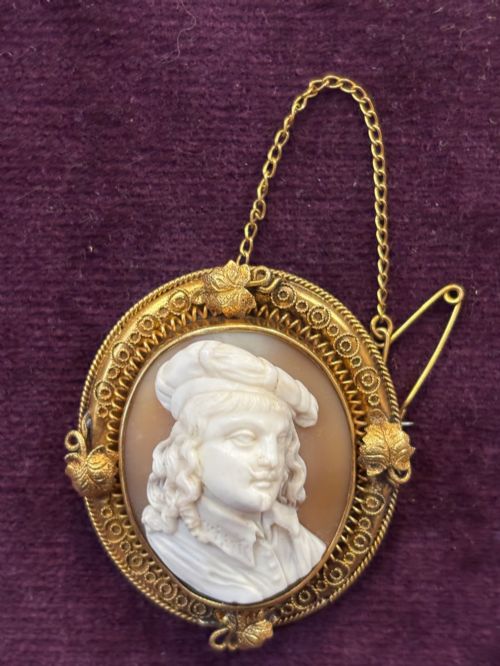
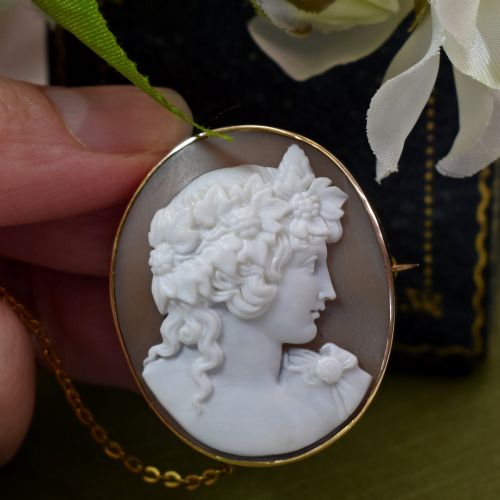
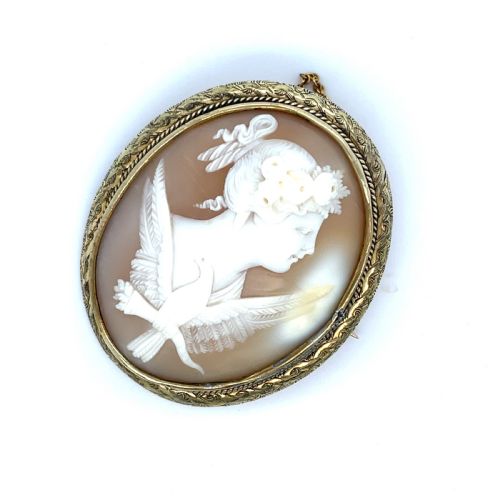
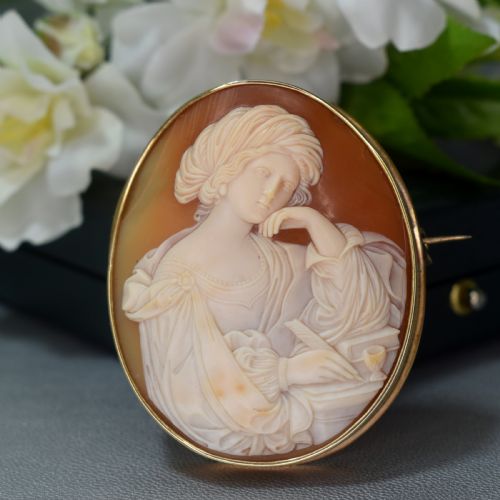
The material appears frequently in carved cameos depicting classical figures and mythological scenes mounted in gold or silver frames.
The selection ranges from early nineteenth-century Georgian portrait pieces to later Edwardian and mid-century interpretations.
How they were made
Artisans carved conch and helmet shells to exploit the natural colour layers, creating crisp white profiles against darker grounds for portrait cameos.
Tortoiseshell and mother of pearl were shaped into boxes and trinket cases, often embellished with silver pique inlay or filigree mounts.
Tortoiseshell boxes sometimes conceal velvet linings that still hold the faint scent of Victorian rosewater.
What varies in quality
Mount construction varies from simple pinchbeck to heavy solid gold frames, altering the weight and durability of the wearable items.
William Comyns·Charles Boyton·James Deakin And Sons·R Pernice
The Antique Shell Jewellery Glossary
- Cameo
- A method of carving an object such as a engraved gem, item of shell, or stone. The technique relies on contrasting layers of colour within the material.
- Pique
- A method of decorating tortoiseshell with tiny points or studs of gold and silver. Craftsmen press heated metal pins into the shell to form intricate patterns.
- Pinchbeck
- An alloy of copper and zinc developed to imitate gold. It provides a warm metallic tone without utilising precious metal.
- Mother of pearl
- The iridescent internal layer of mollusc shells. This material is utilised for inlay work and delicate pendants.
Antique Shell Jewellery: Frequently Asked Questions
How do I care for tortoiseshell items?
Tortoiseshell requires gentle handling and protection from direct sunlight and heat to prevent warping or drying out.
Keep the material away from perfumes and cosmetics which can damage the polished surface over time.
What shell is used for cameos?
Carvers typically utilised conch shell or helmet shell for portrait and classical subjects.
These shells possess distinct colour strata that allow the carver to isolate the subject from the background layer.
How are different periods identified?
Stylistic clues such as mount weight, metal purity marks, and subject matter help determine the era.
Georgian and early Victorian pieces often feature heavy hand-made frames and distinct classical motifs.
Were these boxes used for jewellery?
Many tortoiseshell and mother of pearl boxes served specifically to hold rings, trinkets, and pins on dressing tables.
Interiors are frequently lined with velvet or silk to protect delicate wearable items.