






Antique Shelf Decor
Antique shelf decor encompasses small decorative items and ornaments designed to grace mantels and shelves, bringing period character and tactile presence to a room.
Antique Shelf Decor
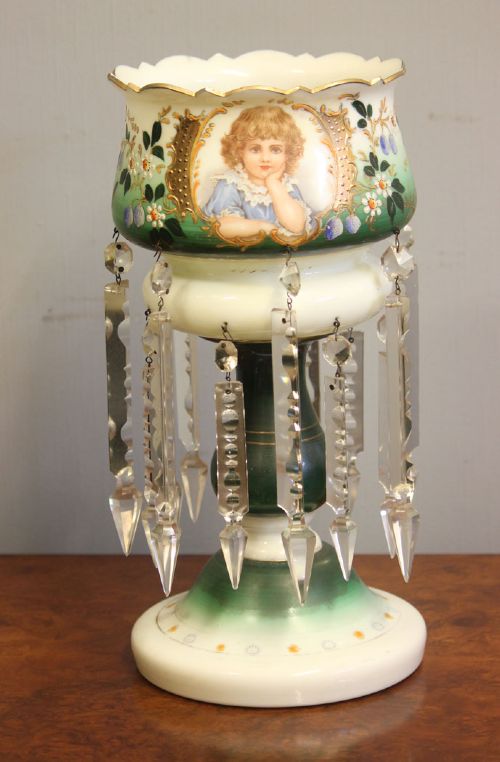
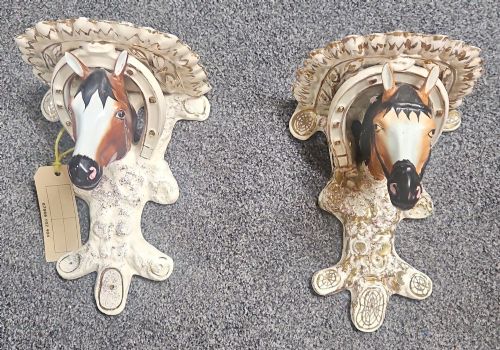
When buyers search for antique shelf decor, they seek functional and purely decorative objects that populate mantels, ledges, and walls with historical domestic charm. The pieces appearing here span the nineteenth century through the early twentieth century, taking forms such as bookends, wall brackets, corbels, and mantel lustres.
Objects on this page originate from distinct stylistic traditions including Victorian, Edwardian, and Black Forest schools. Buyers encounter earthenware figures, carved wooden sculptures, and brass bookends that reflect the varied display tastes of past households.
Materials and construction methods
Makers utilised a range of media including carved wood, ceramic, spelter, marble, and brass to build durable shelf ornaments. Carved wooden bookends rely on detailed hand-carving techniques, while ceramic and earthenware pieces employ moulded clay bodies finished with glaze or paint.
Metal items incorporate casting methods for bronze, brass, and spelter, often paired with heavy marble bases to provide functional stability for holding books or supporting structural corbels.
Antique Shelf Decor Retail Price Guide 2026
Typical asking prices for shelf decor among the pieces listed under this phrase on Sellingantiques today, from the lower quarter to the upper quarter. They describe what is for sale here now, not the wider market.
Listings feature nineteenth century and early twentieth century items made from glass, enamel, gilt, glaze, crystal, plaster, composition, and earthenware.
Judging the quality of shelf ornaments
Material integrity and originality also dictate the standard of a piece, where genuine period patination and undamaged ceramic glazes hold more decorative and historic value than later repairs or replacements.
Royal Dux
The Antique Shelf Decor Glossary
- Corbel
- A structural or decorative bracket projecting from a wall to support a weight. These architectural elements often take figural forms such as putti or animals.
- Mantel lustre
- A decorative glass or ceramic vase adorned with hanging crystal prisms, designed to sit upon a fireplace mantel. They reflect candlelight and gaslight.
- Spelter
- A zinc alloy frequently used as a cheaper substitute for bronze in nineteenth-century decorative figures and bookends. It is often given a bronze-like metallic finish.
- Putto
- A representation of a human infant, usually nude and sometimes winged, derived from classical art. They appear frequently in nineteenth-century architectural brackets and ornaments.
Antique Shelf Decor: Frequently Asked Questions
What is antique shelf decor?
Antique shelf decor refers to small ornaments, bookends, brackets, and mantel pieces created in the nineteenth and early twentieth centuries. These items were designed to adorn domestic interiors and display surfaces.
They combine utility with artistic expression, ranging from carved wooden animals to glazed ceramic fireplace ornaments.
How do I style antique shelf decor?
Mix materials and forms to create visual balance on a mantel or bookshelf, pairing heavy bronze or marble bookends with lighter ceramics or glass.
Allow enough empty space around each item so individual details, such as carved wood grain or glazed surfaces, remain visible.
Were bookends common in the Victorian era?
Bookends became increasingly common towards the end of the nineteenth century and into the Edwardian period as domestic libraries expanded and smaller home collections grew.
Makers produced them in heavy materials like brass, spelter, ceramic, and carved wood to support rows of books securely on open shelves.
How do I identify Victorian shelf ornaments?
Victorian shelf ornaments often feature distinct stylistic cues like neoclassical motifs, ornate glazing, or heavy figurative carving associated with Black Forest traditions.
Examining the materials, such as early earthenware bodies or cast spelter with period patination, helps determine the age of the piece.