
Antique Shelf Cabinet
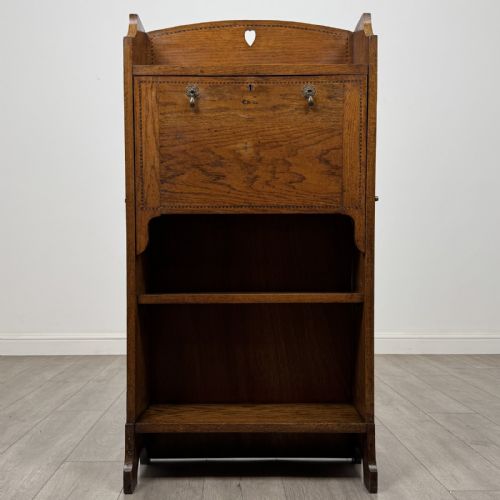
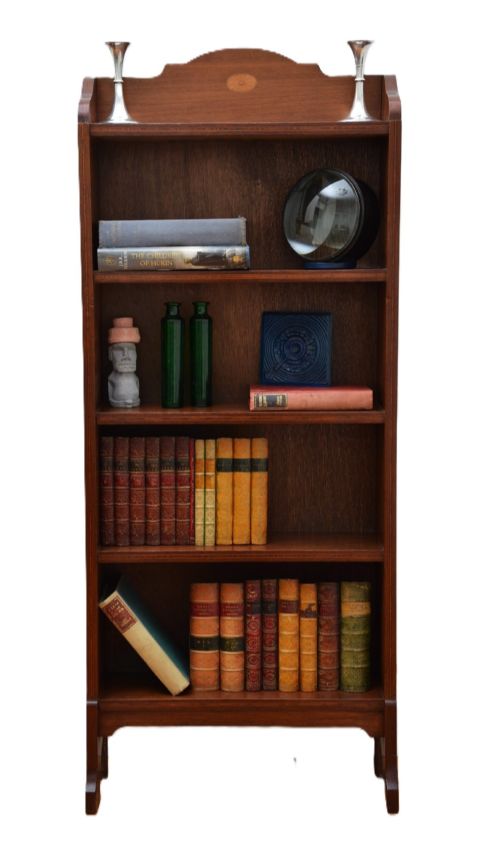
An antique shelf cabinet brings practical storage and architectural warmth to a room, ranging from mahogany bookcases to walnut display units.
Antique Shelf Cabinet
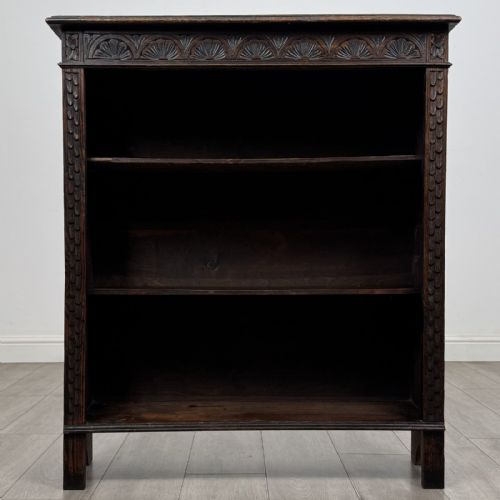
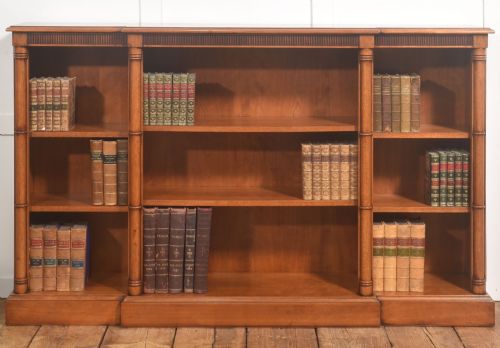
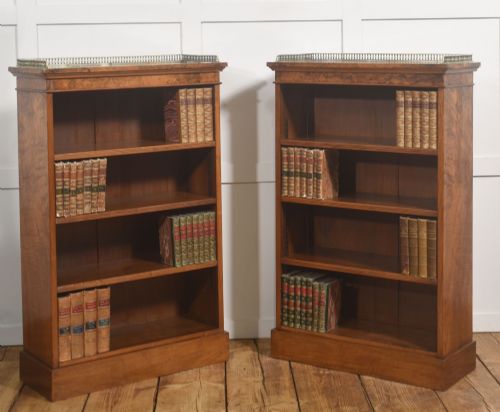
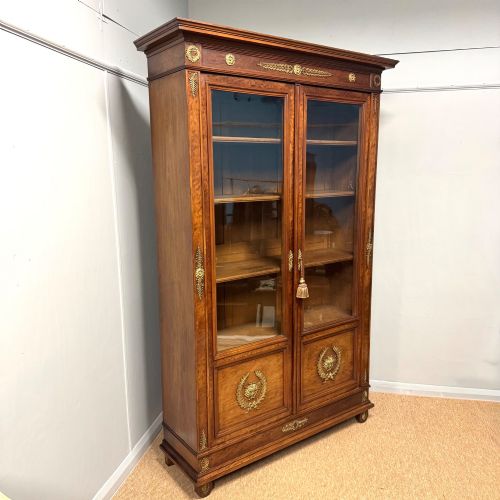
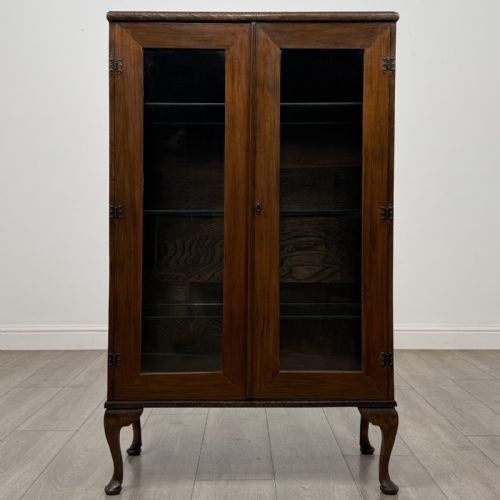
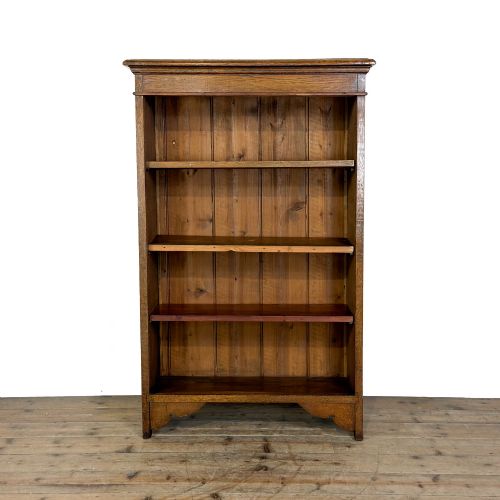
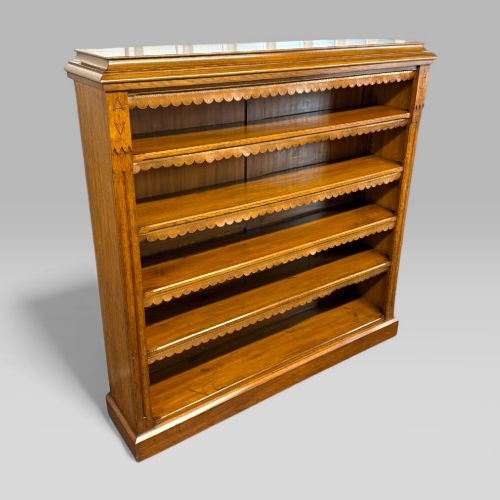
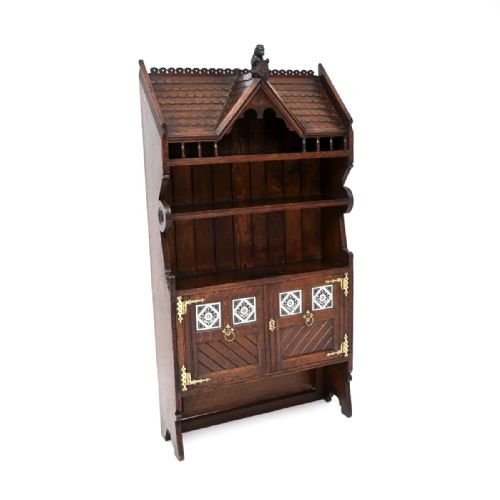
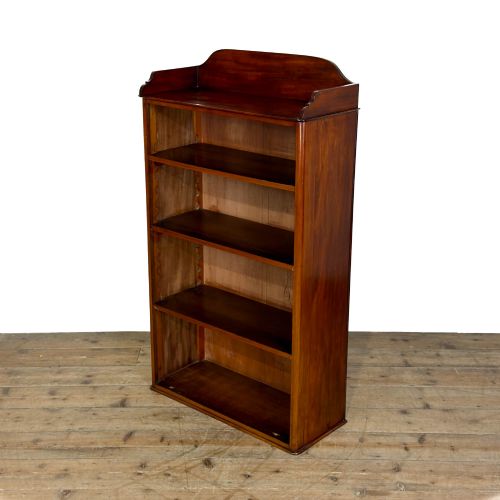
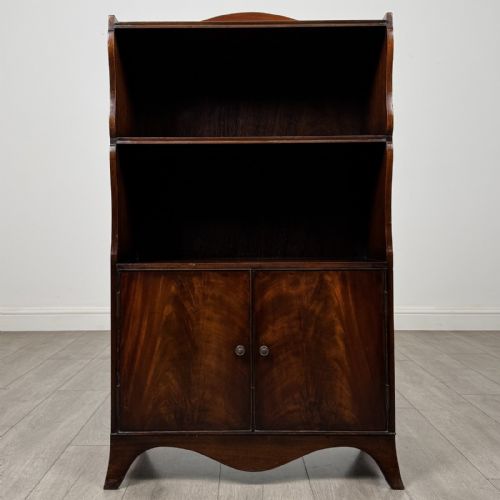
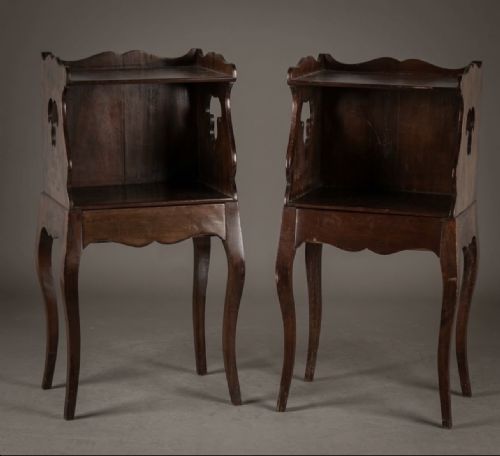
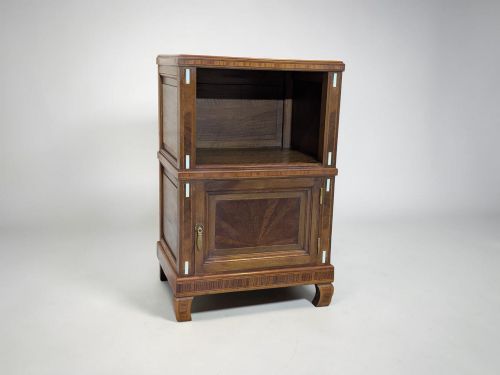
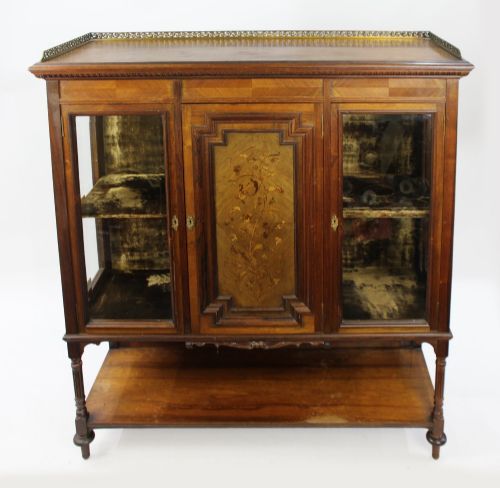
When searching for an antique shelf cabinet, you encounter a diverse group of practical storage furniture designed for books, display and household goods. The selections span open bookcases, side cabinets, dressers, bedside tables, display cabinets, desks, corner shelves and music cabinets.
The pieces on this page originate predominantly from the 19th century and the Edwardian era, alongside Georgian, Victorian, Regency, William IV, Art Deco and Arts and Crafts examples. Oak and mahogany form the core of the inventory, supported by rosewood, walnut, pine, glass and brass.
You are most likely to meet Victorian and Edwardian bookcases and side cabinets in oak or mahogany. These functional items reflect the domestic storage needs of their periods, combining adjustable shelving with enclosed cupboards or open display spaces.
How they were made
Cabinet makers utilised dense hardwoods such as oak, mahogany, walnut and rosewood to construct sturdy frames that endure for centuries. Pine frequently served as a secondary timber for internal elements, while brass hardware, ormolu mounts and glass panels provided functional and decorative accents.
Joinery techniques prioritised durability, incorporating dovetailed joints for drawers and precise framing for doors and glazed panels. Surfaces received polished or wax finishes to highlight the natural grain of flame mahogany, burr walnut or tiger oak.
Listings feature oak, mahogany, rosewood and walnut pieces spanning the Georgian, Victorian, Edwardian, Regency and Art Deco periods.
What varies in quality
The standard of a piece depends heavily on the selection of timber and the ambition of its design. Finer examples display carefully matched wood veneers, such as burr walnut or flame mahogany, paired with cast brass fittings and ormolu mounts.
Structural integrity and proportion also separate standard utilitarian items from superior creations. Refined execution in carved details, inlaid borders and adjustable shelving systems indicates a higher grade of craftsmanship by the maker.
Gabriel Viardot·Johnstone And Jeanes
The Antique Shelf Cabinet Glossary
- Waterfall bookcase
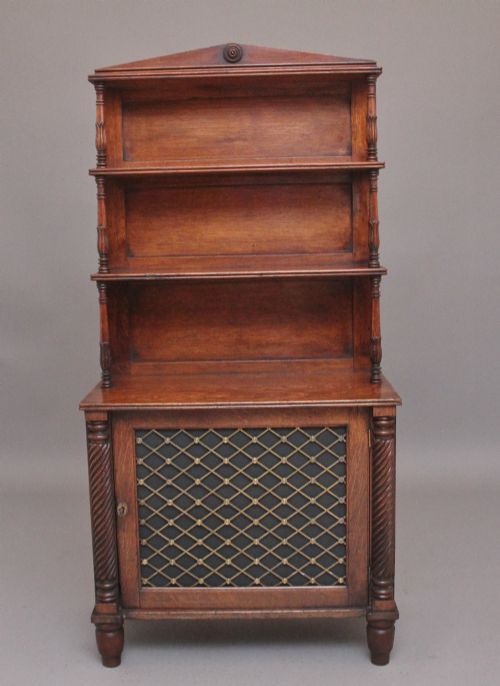
- A standing set of graduated shelves where each tier is narrower than the one below, popular during the Regency and Victorian periods.
- Credenza
- A side cabinet or sideboard, often featuring ornamental mounts and glazed doors, commonly produced in Victorian walnut.
- Chiffonier
- A low cabinet with doors enclosing shelves, frequently topped with a raised shelf back, seen in 19th-century rosewood and mahogany.
- Cartonnier
- A piece of furniture designed for holding papers and documents, often incorporating shelves or drawers beneath a desk top.
- Ormolu
- Gilded bronze applied as a decorative mount on furniture, frequently found on mid-19th-century walnut and mahogany pieces.
- Whatnot
- An open set of multi-tiered shelves used for displaying ornaments and books, standing on upright supports.
Antique Shelf Cabinet: Frequently Asked Questions
How were these cabinets used?
These cabinets served multiple functions in historic homes, primarily for housing libraries, displaying porcelain, and storing table linen or drinks. Open shelves provided quick access to frequently read books, while lower cupboards kept household items concealed.
Specialised forms like music cabinets, bedside tables and dressers catered to specific rooms such as the parlour, bedroom or kitchen. Their versatile storage made them central fixtures in domestic interiors.
How do I live with an antique shelf cabinet?
Living with these pieces involves balancing historic character with modern interior needs, such as utilising adjustable shelves for book collections or display items. They anchor a room visually, bringing warm tones of oak, mahogany or rosewood into contemporary spaces.
Placement depends on the scale of the cabinet, with corner shelves and small bedside tables suiting compact areas, and large dressers or bookcases requiring more substantial wall space. Routine care requires stable indoor humidity and gentle dusting.
How do I tell periods apart?
Dating these cabinets relies on observing stylistic markers, timber choices and construction methods associated with specific eras. Georgian and Regency pieces often feature clean architectural lines in mahogany, while Victorian items lean towards heavier proportions, carved oak and burr walnut.
Edwardian and later 20th-century examples frequently show lighter oak construction, sometimes incorporating Arts and Crafts simplicity or Art Deco geometric forms. Hardware such as brass castors or ormolu mounts also helps anchor a piece to its specific period.