




Antique Scumbled Drawers
Antique scumbled drawers bring tactile warmth and rich decorative graining into a room, offering both practical storage and vernacular charm.
Antique Scumbled Drawers
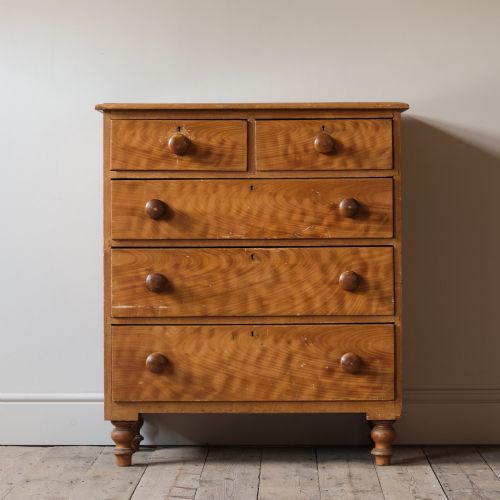
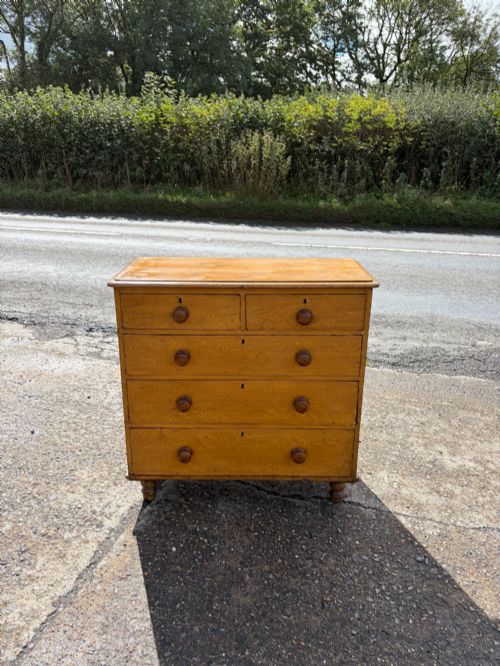
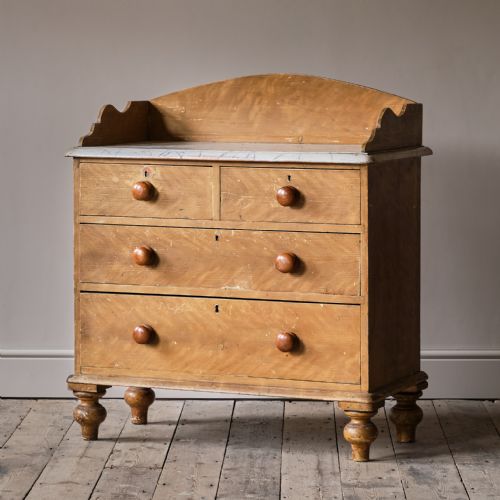
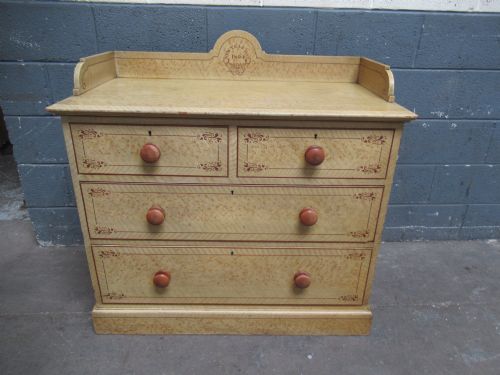
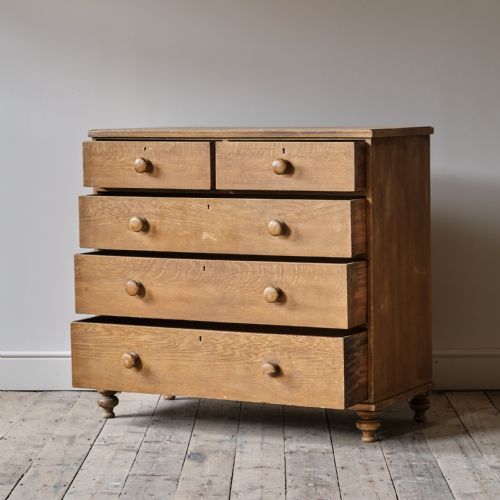
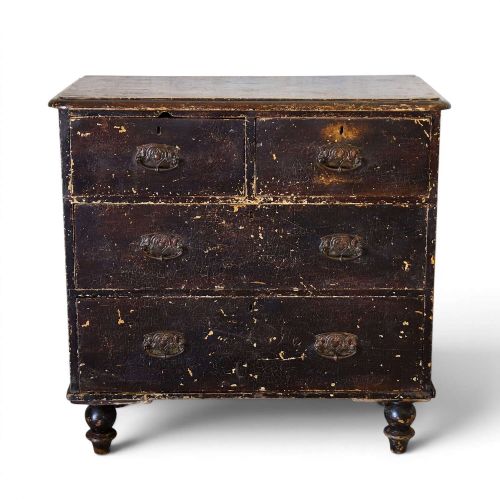
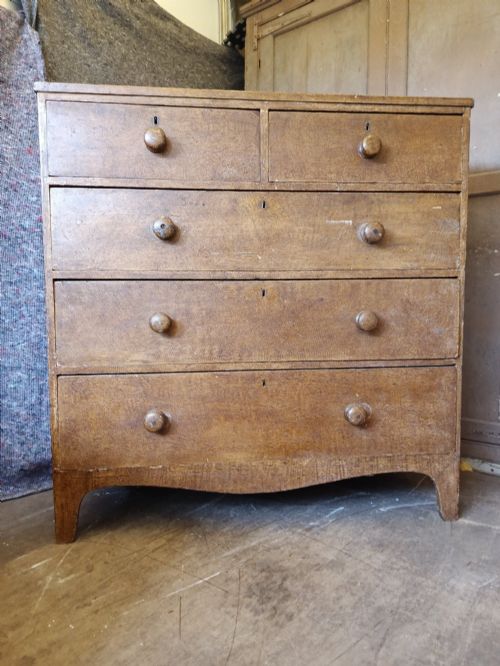
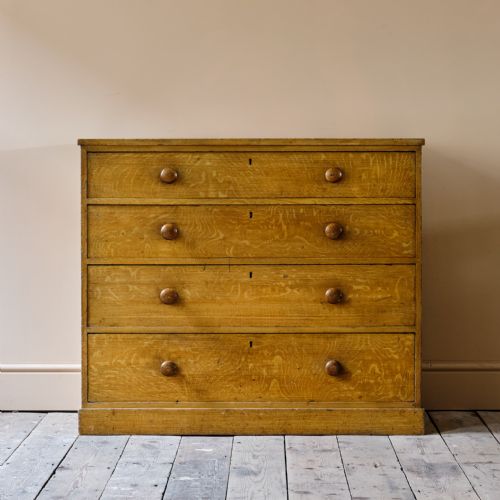
When you search for antique scumbled drawers, you encounter storage furniture finished with a decorative translucent glaze designed to imitate the rich patterns of more expensive timber. The pieces listed span the nineteenth century and the early twentieth century, taking the form of chests of drawers, washstands, dressing chests, side tables, and mule chests. Victorian country and rustic farmhouse examples predominate, often originating from domestic settings where pine was transformed through skilled paintwork.
The most common formats on this page are upright chests arranged in two-over-three configurations or single tall units made from solid pine. You also find side tables and dressers bearing the same distinctive surface treatment. These pieces reflect a vernacular tradition where utilitarian furniture received artistic attention to elevate its appearance in domestic interiors.
How they were made
Makers constructed these pieces primarily from solid pine, utilising timber that was readily available and easy to work. Once the carcass and drawers were assembled, craftsmen applied a base coat of paint before dragging, combing, or sponging a darker translucent scumble glaze over the surface. This technique created faux grain patterns that mimicked oak, walnut, or exotic hardwoods.
Hardware details such as brass or ceramic pulls complemented the painted pine bodies, while glass elements appeared on related dressing pieces. The scumble glaze was left to cure, often protected by early varnishes that have since yellowed or aged to give the distinct depth seen today.
Antique Scumbled Drawers Retail Price Guide 2026
Typical asking prices for scumbled drawers among the pieces listed under this phrase on Sellingantiques today, from the lower quarter to the upper quarter. They describe what is for sale here now, not the wider market.
Some nineteenth-century makers left dated signatures beneath the drawers, recording the exact day their brushwork dried.
What varies in quality
The distinction between standard examples and finer pieces lies in the execution of the paintwork and the preservation of the original surface. Superior items display deliberate, controlled brush or comb work that convincingly suggests mature timber grain rather than hurried application. The clarity of the scumble glaze and the intact state of the underlying paint layer elevate the visual impact significantly.
Construction standards also differentiate the range, with better items featuring well-fitted dovetailed drawers and sturdy timber framing that withstands centuries of use. Proportion and scale play a role, as larger Scottish chests or Wellington cabinets require more ambitious joinery than standard domestic washstands.
The Antique Scumbled Drawers Glossary
- Scumble glaze
- A translucent oil or varnish-based medium applied over a lighter painted ground and manipulated with tools to create decorative patterns. This technique allows artisans to simulate the appearance of figured timber on ordinary wood.
- Pine
- A soft timber widely utilised for domestic furniture throughout the nineteenth century. Its pale, straight grain provided an ideal neutral canvas for decorative paint treatments.
- Wellington chest
- A tall, narrow chest of drawers secured by a hinged locking side pilaster. This specific form offered secure storage with a minimal floor footprint.
- Mule chest
- A storage chest featuring one or more drawers at the base beneath a hinged lid compartment. It bridges the design gap between traditional blanket chests and modern drawer units.
- Washstand
- A specialised table or small cabinet designed to hold a basin and pitcher for personal washing. Many survivors incorporate low splashbacks or small sets of drawers.
Antique Scumbled Drawers: Frequently Asked Questions
What is scumble paint?
Scumble paint refers to a translucent decorative glaze manipulated over a base coat to imitate wood grain. Artisans used combs, rags, and brushes while the glaze was wet to create rich patterns.
This technique transformed humble pine into decorative surfaces that resembled expensive hardwoods in nineteenth-century homes.
How do I date these drawers?
Dating relies on construction methods, timber choice, and stylistic cues such as hardware and proportion. Pieces from the Regency era feature different mouldings compared to later Victorian country examples.
Makers often marked pieces with dates or incorporated specific Art Nouveau lines by nineteen hundred, helping narrow the timeline.
Where were these pieces used?
These items served functional roles in bedrooms, hallways, and kitchens across domestic properties. Chests stored clothing and linens, while dressers and washstands accommodated daily routines.
Country houses and farmhouses utilised them extensively for robust, everyday storage before they gained decorative appreciation.
How do I clean scumbled surfaces?
Maintenance requires gentle dusting with a dry, soft cloth to protect the fragile historic glaze layers. Moisture and harsh chemical cleaners must be avoided entirely to prevent stripping the paint.
Preserving the original surface requires minimal intervention and stable indoor humidity away from direct sunlight.