





Antique Scumble Chest
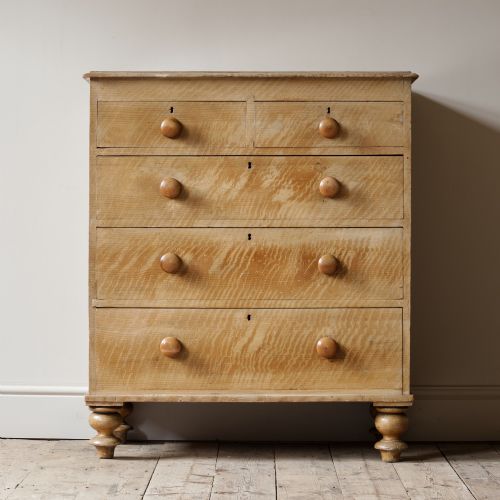
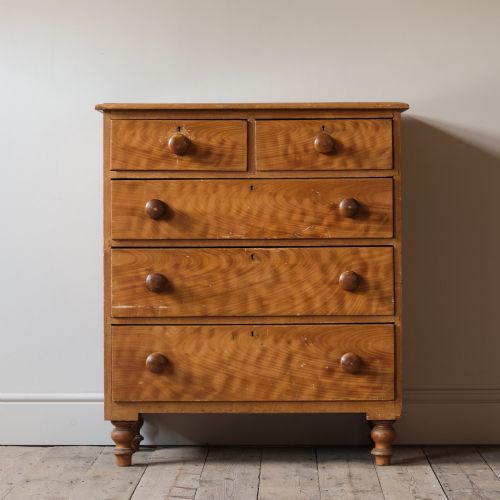
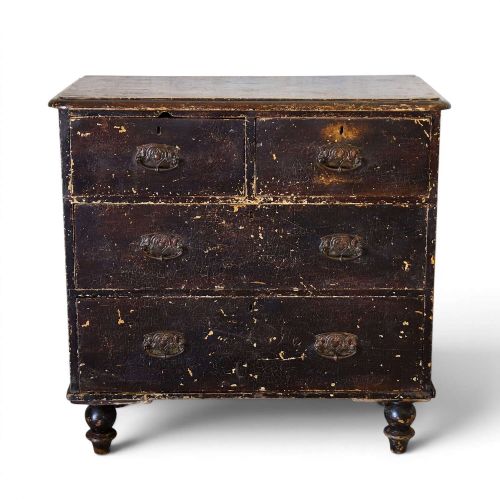
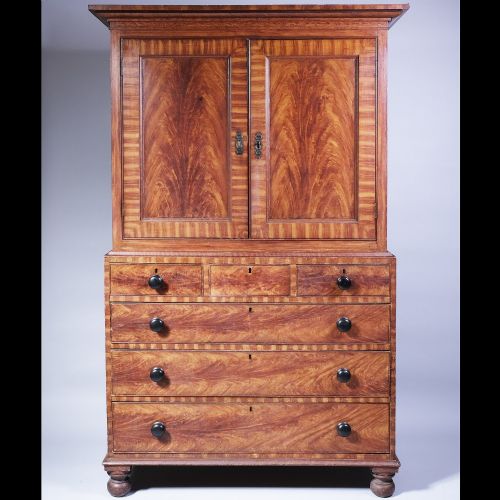
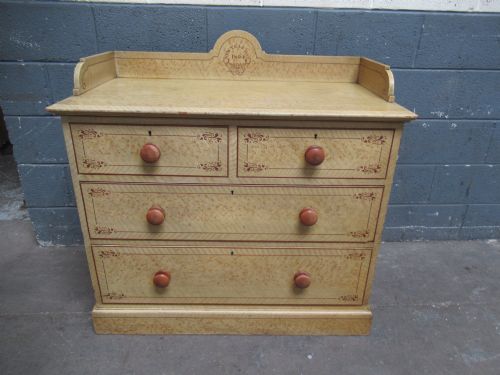
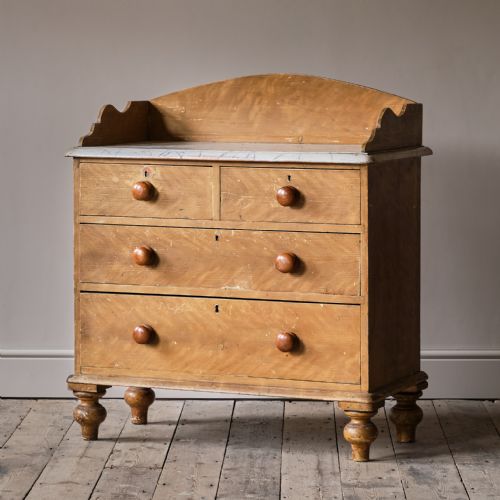
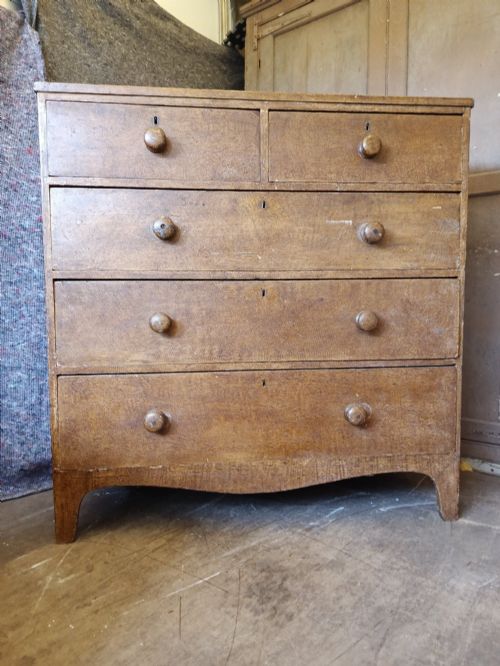
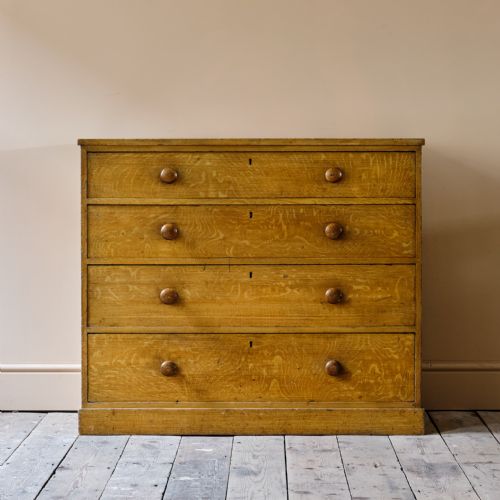
An antique scumble chest brings warmth and character to a room through its layered, translucent paint finish mimicking finer woods.
Antique Scumble Chest
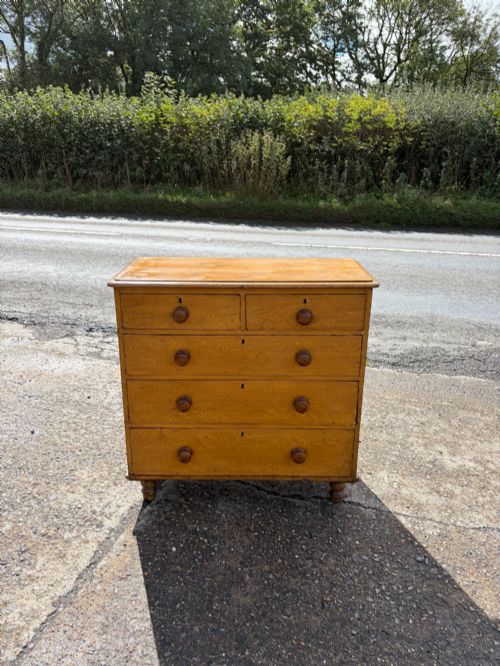
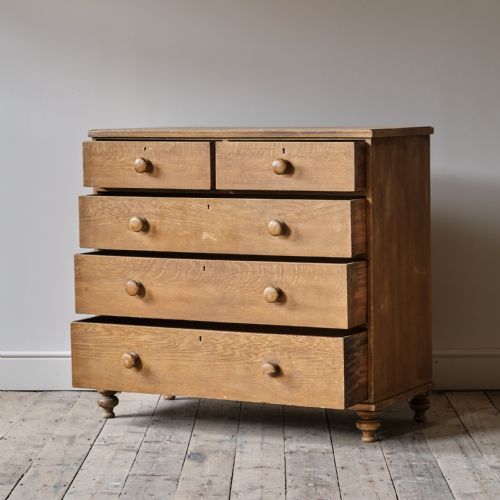
An antique scumble chest is a utilitarian storage piece typically constructed from pine and finished with decorative painted glazes to imitate oak, mahogany, or walnut. These pieces span the nineteenth century, including Victorian examples, Regency pieces, and works from around nineteen hundred.
The forms on this page range from standard two-over-three chests of drawers and washstand chests to blanket boxes, trunks, mule chests, and housekeepers cupboards. Most examples adhere to country house, rustic farmhouse, or folk art styles rather than formal cabinetmaking traditions.
Buyers seeking this phrase most commonly encounter regional British pine chests coated in original brown or green scumble paint. These items served functional domestic roles in bedrooms and sculleries before transitioning into decorative interior furnishings.
How they were made
Makers constructed these storage pieces primarily using solid pine, building carcases with dovetail joints for the drawers and applying iron or brass hardware for pulls and handles.
The defining technique involves scumble painting, where a translucent topcoat of oil or varnish mixed with pigment is dragged, combed, or brushed over a lighter base colour to simulate grain patterns. Artisans then preserved these decorative surfaces with clear protective varnishes.
Secondary materials include ceramic and glass components found on specific drawer pulls or dressing attachments, alongside iron straps and hinges on trunks and blanket boxes.
Antique Scumble Chest Retail Price Guide 2026
Typical asking prices for scumble chest among the pieces listed under this phrase on Sellingantiques today, from the lower quarter to the upper quarter. They describe what is for sale here now, not the wider market.
Some nineteenth-century decorators used crumpled newspaper and feathers to texture their scumble glazes before tea-staining the result.
What varies in quality
The distinction between ordinary and exceptional pieces rests primarily on the preservation and artistry of the original painted surface. Examples retaining untouched, patinated scumble finishes with convincing grain manipulation command greater visual interest than those with later overpaint.
Construction depth also separates standard utility boxes from finer domestic furniture. Heavy timber thickness, secondary hardwood elements, integrated dressing mirrors, and intact period hardware elevate a piece above basic storage containers.
The Antique Scumble Chest Glossary
- Scumble paint
- A translucent glaze applied over a pale base coat and manipulated with combs, rags, or brushes to imitate the grain of expensive timbers. This technique was popular in country houses and provincial workshops.
- Mule chest
- A storage chest fitted with one or more drawers in the base beneath the main compartment. It bridges the design gap between traditional blanket boxes and modern chest of drawers.
- Housekeepers cupboard
- A large storage unit designed for linen and provisions, featuring panelled doors and shelving. These pieces often received durable scumbled finishes for practical domestic use.
- Graining
- The decorative craft of painting surfaces to resemble natural wood patterns. Victorian artisans used specialised tools to achieve realistic burr and plank effects on humble softwoods.
- Dressing chest
- A low chest of drawers combined with a mirror and small trinket compartments. These items served bedrooms where space precluded separate dressing tables and drawer units.
Antique Scumble Chest: Frequently Asked Questions
What is scumble paint?
Scumble paint is a semi-opaque glaze used by painters to create artificial wood grain on cheaper timbers like pine.
Craftsmen dragged or combed the wet glaze over a lighter base coat to mimic walnut or oak.
How do I clean a scumbled chest?
Clean the surface gently using a soft, dry cloth to remove dust without disturbing the historic glaze layers.
Avoid modern chemical detergents and harsh solvents that can strip original nineteenth-century paintwork.
Where were these chests used?
These chests originally served in farmhouses, country houses, and Victorian domestic quarters for everyday storage.
Servants and homeowners placed them in bedrooms, landings, and sculleries for linens and garments.
How do I date a pine chest?
Examine the construction methods, such as hand-cut dovetails, timber thickness, and backboard placement.
Original paint finishes, hardware styles, and period characteristics like Regency or Art Nouveau details also help determine age.