

Antique Scrubbed Pine
Antique scrubbed pine brings working domestic timber into modern rooms, offering heavy tables and utility pieces shaped by hard everyday use.
Antique Scrubbed Pine
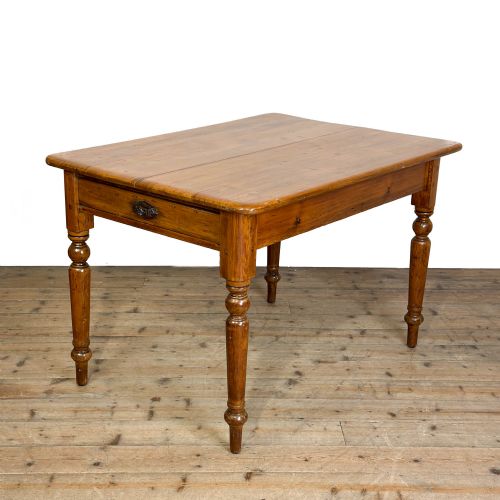
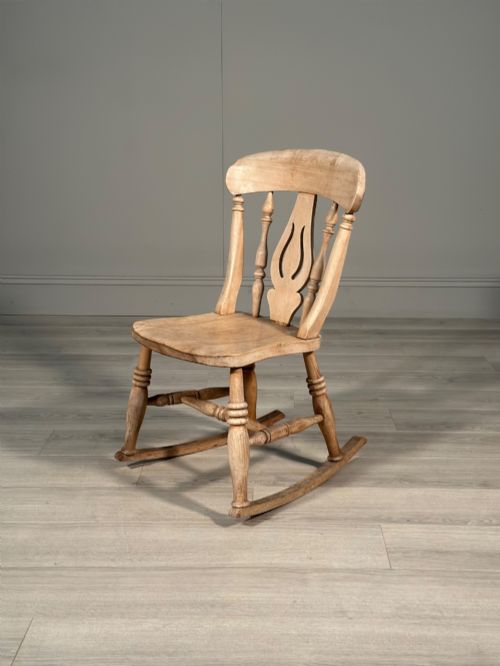
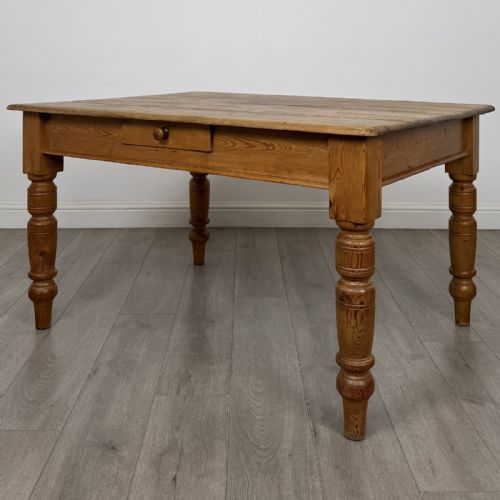
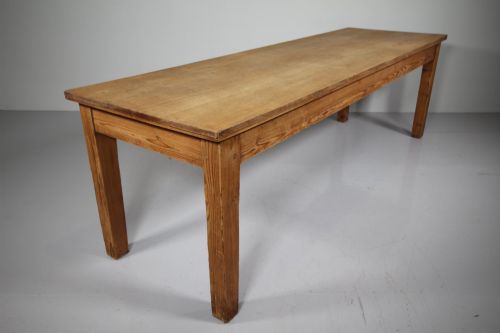
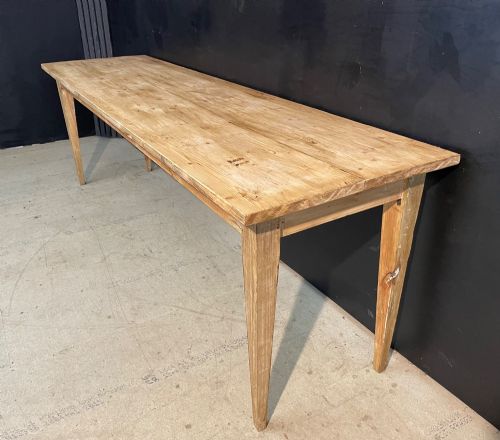
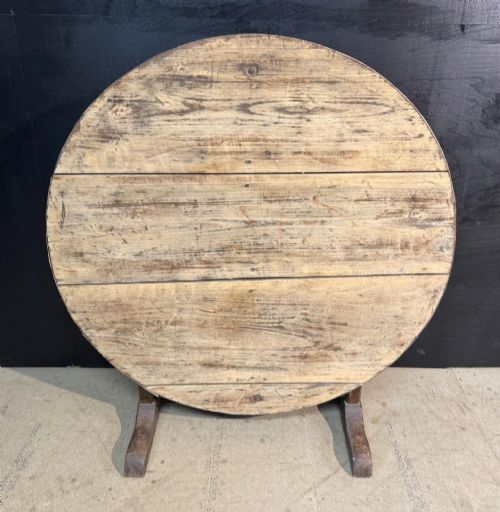
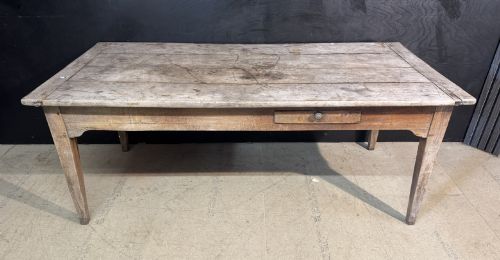
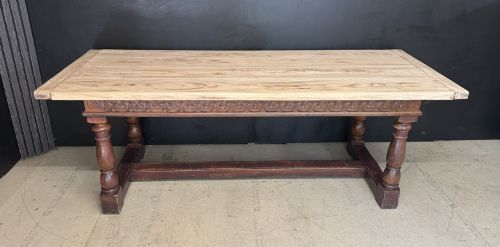
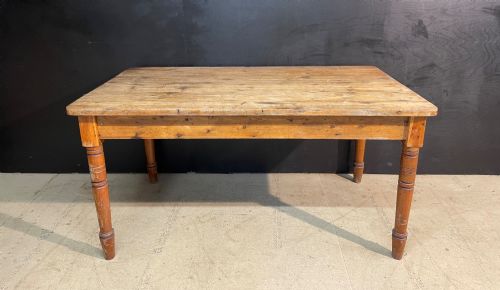
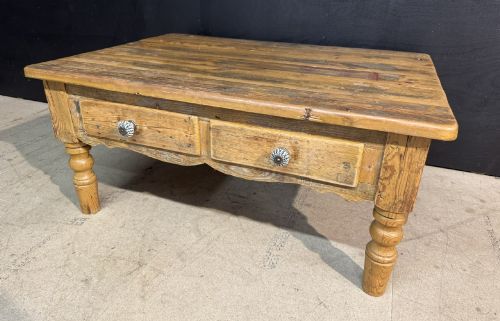
When searching for antique scrubbed pine, a buyer encounters utilitarian wooden furnishings designed for functional rooms rather than formal parlours. These items include large kitchen prep surfaces, tavern tables, dairy benches, and deep dining boards intended for heavy domestic labour.
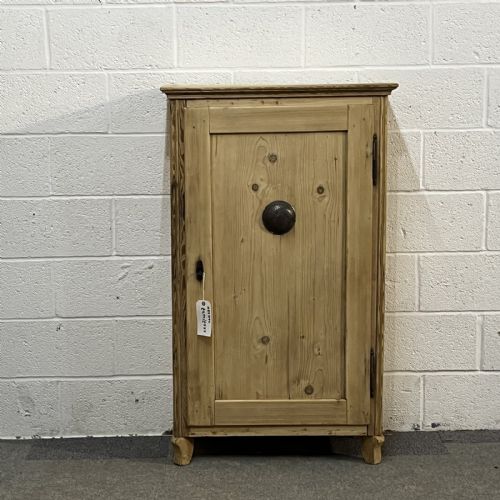
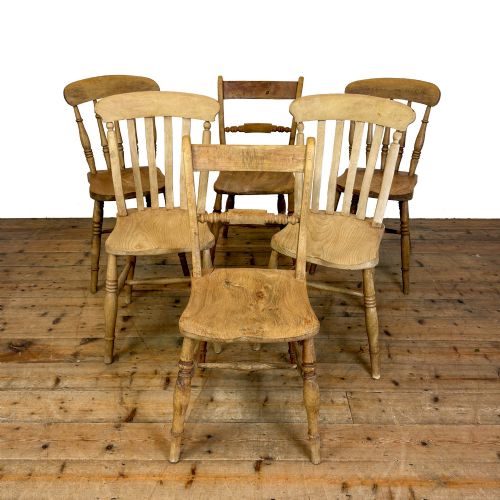
The pieces on this page span the eighteenth, nineteenth, and early twentieth centuries, drawing from English, French, Swedish, and Danish traditions. Dining and kitchen tables dominate the selection, often accompanied by occasional stands, dressers, and specialised prep surfaces.
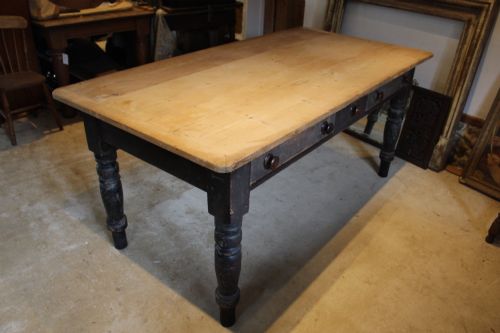
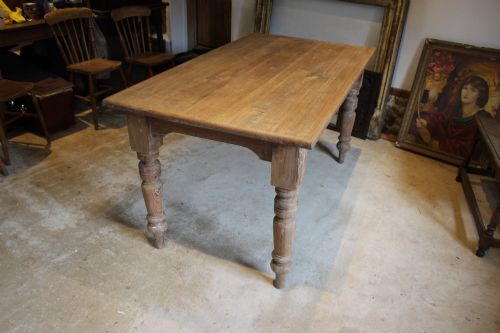
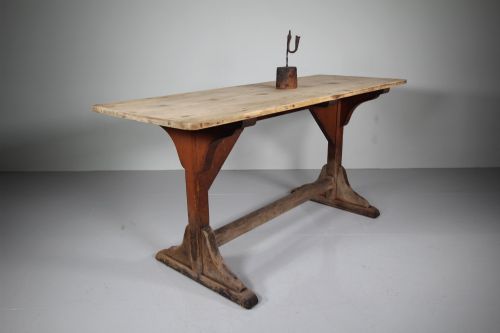
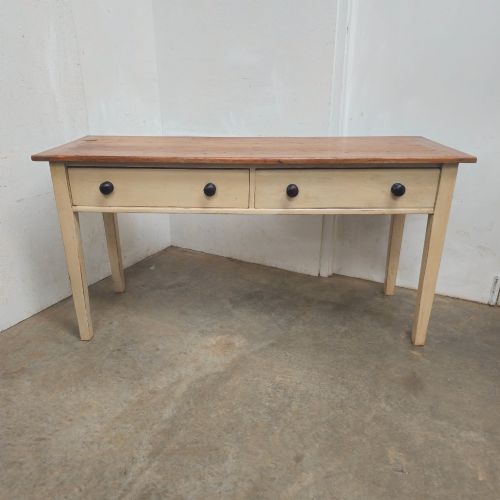
Many items display the results of decades of rigorous washing and scrubbing, which stripped original finishes from the timber top while leaving traces of historic paint, milk paint, or Falu red on the structural bases.
Materials and construction methods
Makers built these pieces primarily from solid pine, frequently combining the softwood with oak, fruitwood, or sycamore for specific structural components like legs or drawers. Secondary woods and structural elements occasionally utilised iron or brass hardware.
Surfaces were traditionally scrubbed with sand, stone, or brushes and water to maintain hygiene in dairies, sculleries, and kitchens, leaving the grain raised and pale. Bases often retained protective coatings of oil-based paint, Falu red, or later decorative pigments.
Joinery techniques prioritized durability, utilising heavy plank construction, pegged joints, and robust trestle or square-section supports designed to withstand daily weight and pressure.
Antique Scrubbed Pine Retail Price Guide 2026
Typical asking prices for scrubbed pine among the pieces listed under this phrase on Sellingantiques today, from the lower quarter to the upper quarter. They describe what is for sale here now, not the wider market.
Historic dairy tables often bear the permanent scars of cheese moulds and spilled cream, embedded deep within the pale grain of the scrubbed pine.
Assessing quality in scrubbed pine
Quality rests in the integrity of the original timber and the depth of the patina earned through centuries of honest wear. Superior examples retain substantial proportions, thick scrubbed tabletops, and balanced structural joinery without excessive modern intervention.
The relationship between the bleached work surface and the surviving paint on the base dictates visual distinction. Pieces maintaining undisturbed historical paint layers on legs and aprons command greater interest than those stripped completely bare in modern times.
The Antique Scrubbed Pine Glossary
- Scrub top
- A wooden tabletop repeatedly scoured with water and abrasive minerals to maintain cleanliness, resulting in a pale, textured surface. This finish defines the tactile character of many working tables.
- Falu red
- A deep red paint originating from copper mines in Sweden, traditionally used to protect outdoor and utilitarian timber structures. It often survives on the bases of Scandinavian tables.
- Dairy table
- A specialised utility table utilised in cheese making and milk processing, typically featuring unsealed softwood boards resistant to moisture and frequent washing.
- Trestle table
- A form consisting of two or more supports connected by a horizontal beam, holding a heavy plank top. This design provides maximum legroom and stability.
- Patina
- The surface sheen and colour modification developed by wood and paint over generations of handling, exposure, and maintenance. It signals the authentic age of the object.
Antique Scrubbed Pine: Frequently Asked Questions
How do I clean a scrubbed pine table?
Maintain the pale surface by wiping with a damp cloth and mild soap, avoiding harsh chemical strippers that destroy the historic grain.
Allow the wood to dry naturally after washing to prevent warping or splitting in modern heated rooms.
Can I use an antique scrubbed pine table for daily dining?
These surfaces were originally constructed for heavy domestic labour, making them exceptionally durable for everyday family meals and gatherings.
Use protective mats for hot dishes to preserve the dry character of the scrubbed timber top.
Why do some tables have painted bases?
Makers and owners frequently applied milk paint, oil paint, or Falu red to the structural aprons and legs to protect the softwood from damp floors.
These surviving paint layers provide visual contrast against the pale, scoured work surfaces.
How do I date an antique pine table?
Examine the joinery methods, tool marks on the underside of the planks, and the type of fixings used in the framework.
Hand-cut joints and native timber species typically point toward eighteenth or nineteenth-century rural workshops.