





Antique Scientific Box
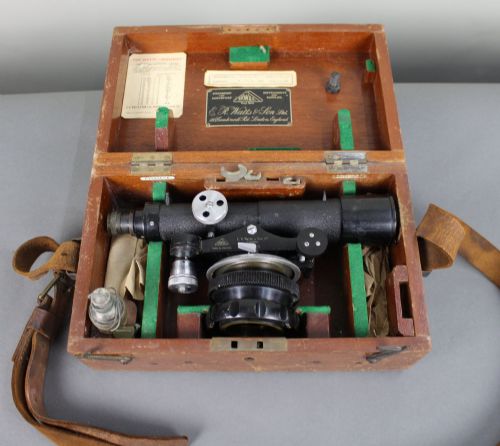
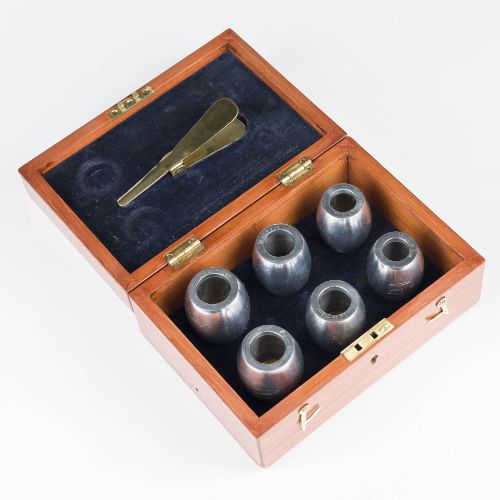
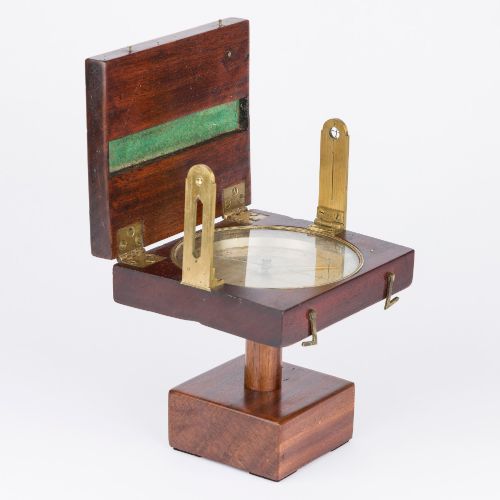
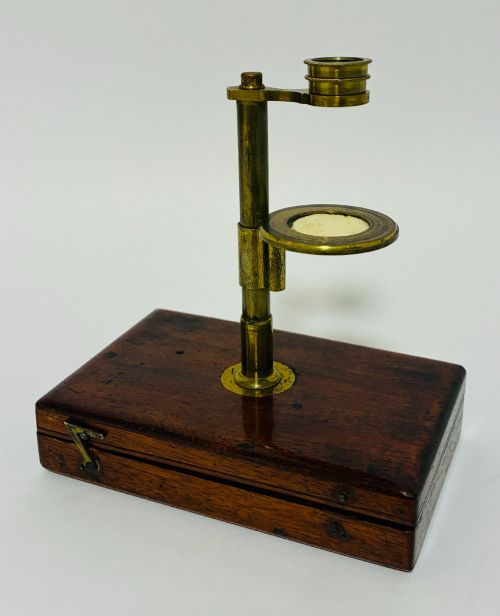
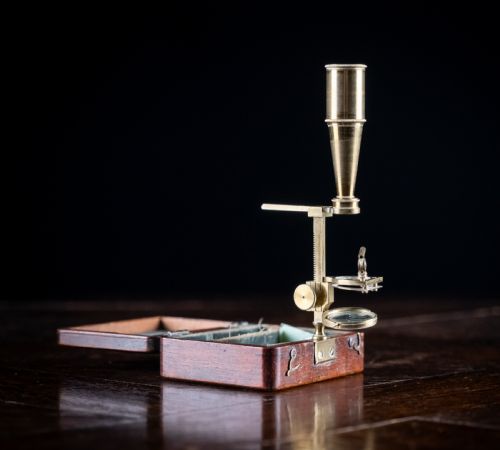
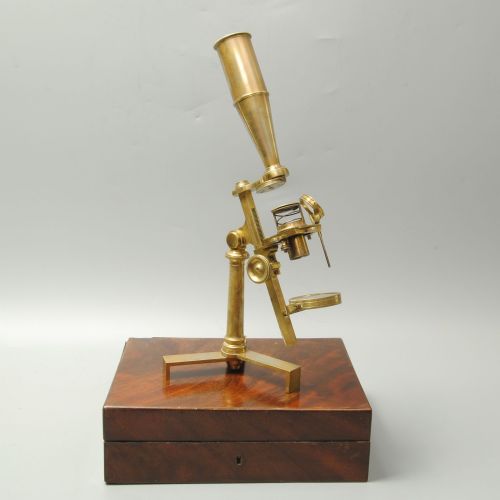
An antique scientific box contains precision instruments and housing made to measure, protect, and transport vital tools for measurement and observation.
Antique Scientific Box
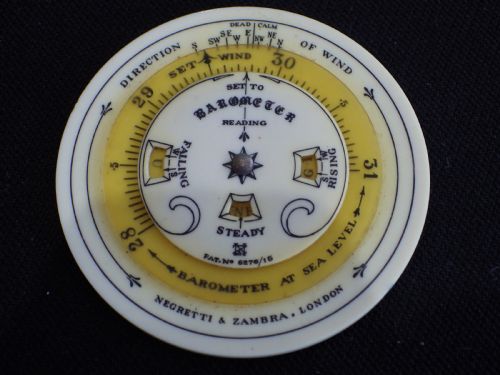
When you search for an antique scientific box, you encounter fitted enclosures designed to house delicate instruments including microscopes, barometers, levels, compasses, and scales. These pieces originate primarily from the nineteenth and early twentieth centuries, spanning the Georgian, Victorian, and Edwardian periods.
The objects take several forms, ranging from single-instrument travel cases and boxed pocket devices to multi-drawer slide cabinets and large surveying sets. Mahogany and other dense woods predominate, frequently lined with velvet or leather to secure brass components and glass lenses during transit.
Many items combine utilitarian function with cabinet-making skill, serving professions from surveying and navigation to medicine and meteorology. The form prioritises absolute protection and organised storage for instruments that required strict calibration.
How they were made
Makers constructed these enclosures using seasoned hardwoods, most notably mahogany and walnut, chosen for stability and resistance to warping around delicate instruments. Joints were typically precision-cut with dovetails to withstand the rigours of field use and travel.
Internal fittings relied on carefully profiled wooden blocks, brass brackets, and paper labels, complemented by linings of velvet and leather to cushion glass and metal. Exterior surfaces received hand-rubbed finishes, fitted with brass carrying handles, secure locks, and flush hinges.
Antique Scientific Box Retail Price Guide 2026
Typical asking prices for scientific box among the pieces listed under this phrase on Sellingantiques today, from the lower quarter to the upper quarter. They describe what is for sale here now, not the wider market.
A tiny brass hook ensures the pocket sundial remains steady whilst facing the nineteenth-century sun.
What varies in quality
The standard of an antique scientific box rests upon the integration between the instrument and its housing. Superior examples feature custom-moulded internal compartments that hold components without movement, whilst simpler iterations utilise basic slotted dividers.
Materials and hardware mark further distinctions, separating utilitarian field pieces from presentation-grade items finished in fine timbers and heavy cast brass. The precision of the maker's inscribed signatures and the integrity of original fitted accessories determine the standing of the piece.
E.R. Watts & Son Ltd·De Grave Short & Co·Negretti & Zambra·Thomas Harris & Son·Cooke Troughton & Simms
The Antique Scientific Box Glossary
- Chondrometer
- A device used to measure the weight and density of grain. It typically includes a brass beam scale and standardised weights housed in a fitted wooden box.
- Clinometer
- An instrument for measuring angles of slope, elevation, or depression with respect to gravity. It often accompanies surveying levels and compasses.
- Barograph
- A recording barometer that plots barometric pressure over time onto a revolving drum. The mechanism is enclosed in a glass and wood case to protect the delicate linkage.
- Anemometer
- An instrument used for measuring the speed of wind. Portable examples incorporate rotating cups connected to calibrated dials within protective cases.
- Hydrometer
- An instrument used to measure the specific gravity of liquids. Sets are supplied in fitted boxes with weighted glass bulbs and graduated stems.
Antique Scientific Box: Frequently Asked Questions
What instruments go inside these boxes?
These enclosures house a wide range of observational and measuring devices, including microscopes, compasses, barometers, levels, and specialised medical or surveying apparatus.
Each instrument is secured in custom compartments designed specifically for its dimensions and operational fragility.
How do I date a wooden scientific case?
Dating relies upon timber selection, construction methods such as dovetailing, and the style of brass hardware and engraved maker plaques. Surviving paper instructions or trade labels inside the lid also provide precise chronological markers.
The evolution from Georgian utilitarian framing to ornate Victorian cabinetry and later Edwardian industrial standards helps establish the period.
Were these boxes meant for travel?
Many examples were constructed specifically for field use by surveyors, explorers, and naval officers who required reliable instruments on expeditions. Robust wooden exteriors and secure locking mechanisms protected delicate glass and brass from rough handling.
Other configurations, such as large slide cabinets or table-top telescopes, were intended for stationary laboratory or domestic study use.
How should I clean the wood and brass?
Maintenance requires gentle dusting with a dry, soft cloth to preserve the aged patina of mahogany or walnut surfaces without stripping natural oils. Metal components should remain untouched by harsh polishes to maintain their historic finish.
Leather and velvet linings benefit from careful surface cleaning using specialised conservation brushes.