





Antique Scent Container
An antique scent container is a small portable vessel designed for personal fragrance, offering a tangible link to historical personal grooming habits.
Antique Scent Container
An antique scent container encompasses a range of small vessels used for carrying perfumes, smelling salts, and aromatics, including vinaigrettes, pomanders, and scent bottle holders. These items span periods from the 18th century through the Georgian and Victorian eras up to the 1920s.
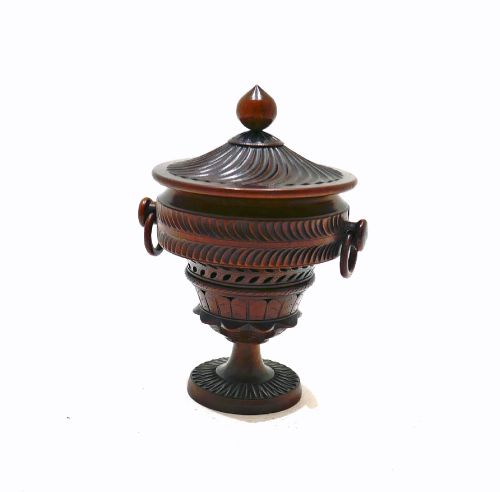
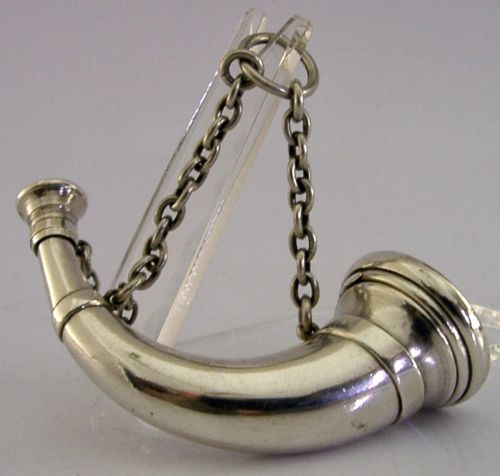
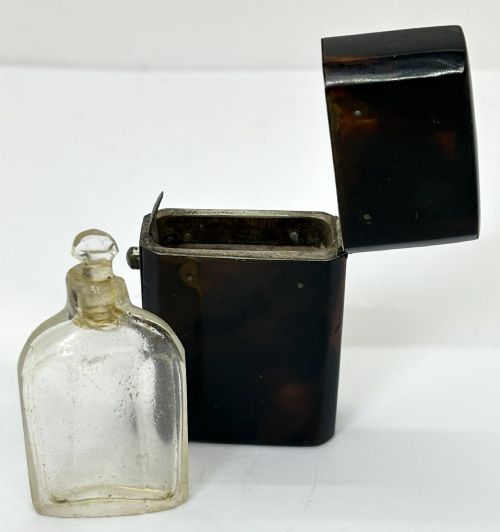
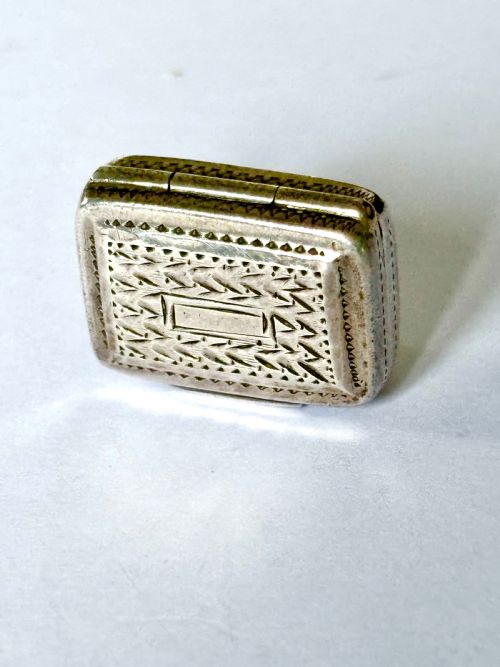
The forms vary widely, appearing as silver flasks, tortoiseshell holders, fruitwood pomanders, and porcelain vessels. On this page, visitors are most likely to encounter 19th-century and Georgian silver pieces alongside porcelain and glass examples.
Makers and origins range from British silver assay offices in Birmingham to continental workshops and Qing Dynasty items. Each object reflects the prevailing decorative style of its time, such as Art Deco or George V designs.
How they were made
Silversmiths utilised sterling silver and silver gilt to shape novelty items, flasks, and vinaigrettes, often employing techniques like casting, piercing, and engraving to decorate the metal mounts. Birmingham assay offices contributed extensively to the production of these silver pieces.
Artisans also worked with organic and ceramic materials, turning fruitwood into lidded pomander cups, fashioning tortoiseshell into bottle holders, and forming glass and porcelain into scent and snuff bottles. Enamel, gold leaf, and aventurine inclusions added colour and decorative detail to glass and metal surfaces.
Antique Scent Container Retail Price Guide 2026
Typical asking prices for scent container among the pieces listed under this phrase on Sellingantiques today, from the lower quarter to the upper quarter. They describe what is for sale here now, not the wider market.
Listings feature items from the 18th century, Georgian and Victorian periods, up to 1920, utilising sterling silver, porcelain, fruitwood, and tortoiseshell.
What varies in quality
The distinction between tiers of quality rests on the precision of the workmanship and the complexity of the design, such as the intricacy of pierced grilles inside vinaigrettes or the detail in novelty forms like fish and hunting horns. Superior examples show careful finishing by named makers.
Material choice and preservation of delicate elements like gold gilt, enamel, and organic tortoiseshell or fruitwood dictate the desirability of a piece. Well-preserved hallmarks and crisp decorative tooling separate standard items from finer works.
SAMPSON MORDAN·CHAMBERLAIN WORCESTER·JOHN BETTRIDGE·HASSET & HARPER
The Antique Scent Container Glossary
- Vinaigrette
- A small ornamental box featuring a perforated internal grille, used to hold a sponge soaked in aromatic vinegar. These were popular during the Georgian and Victorian periods.
- Pomander
- A spherical container designed to hold aromatic substances such as herbs or spices to mask odours or ward off infection. They appear in materials like fruitwood and porcelain.
- Scent bottle holder
- A protective sleeve or case, often made of tortoiseshell, designed to secure fragile glass perfume flasks during travel. They reflect the personal accessories of the 18th century.
- Silver gilt
- Silver that has been coated with a thin layer of gold on its surface. This technique provides the rich appearance of solid gold while utilising a silver base.
- Aventurine glass
- A type of glass containing small metallic inclusions that sparkle when catches the light. Venetian glassmakers utilised this technique in the 19th century.
Antique Scent Container: Frequently Asked Questions
What is a vinaigrette used for?
A vinaigrette is a small container designed to hold a sponge soaked in scented vinegar or smelling salts. Owners used them to combat unpleasant odours in public spaces.
The perforated internal grille allowed the aroma to escape gradually when the lid was opened. These pieces were typically carried in pockets or attached to chatelaines.
How do I date a silver scent container?
Dating silver containers relies heavily on Birmingham assay office hallmarks, date letters, and maker marks stamped directly onto the metal. These stamps indicate the exact year of manufacture.
Stylistic cues such as Georgian ornamentation or Art Deco geometric lines also help place the object in its correct period.
What is the difference between a pomander and a perfume bottle?
A perfume bottle holds liquid fragrance directly within a glass or metal chamber, often secured with a stopper or screw cap. They are designed for direct application of scent.
A pomander generally contains solid aromatics, spices, or a saturated sponge rather than liquid perfume. They historically served both decorative and practical freshening purposes.
How should I clean antique silver containers?
Cleaning antique silver requires minimal intervention to preserve the original surface finish and any remaining gold gilt. Gentle dusting with a soft cloth is usually sufficient for regular maintenance.
Harsh chemical dips should be avoided, especially on pieces with delicate hinged parts, enamel, or organic materials like tortoiseshell.