






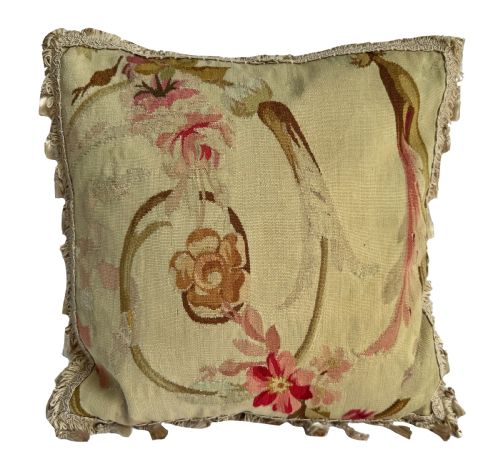
Antique Scatter Pillow
These antique scatter pillow examples turn old textiles, rugs and tapestries into useful home comforts.
Antique Scatter Pillow
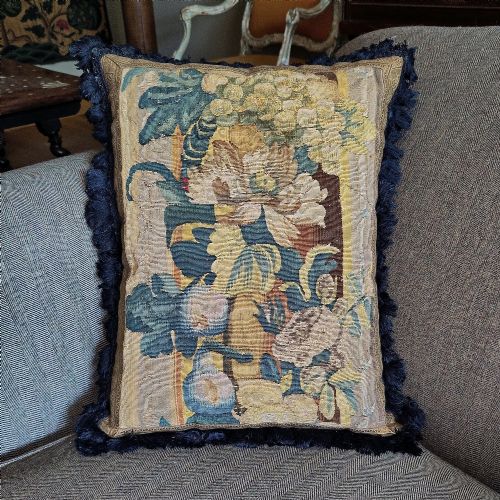
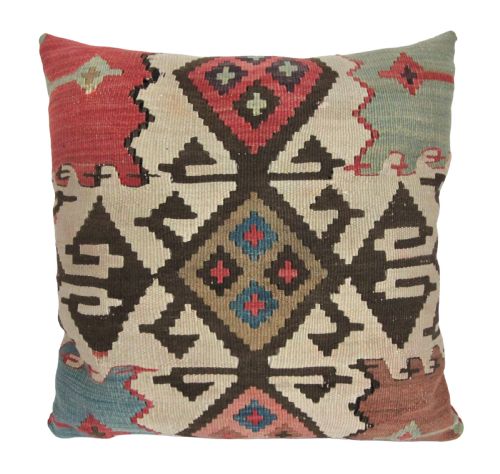
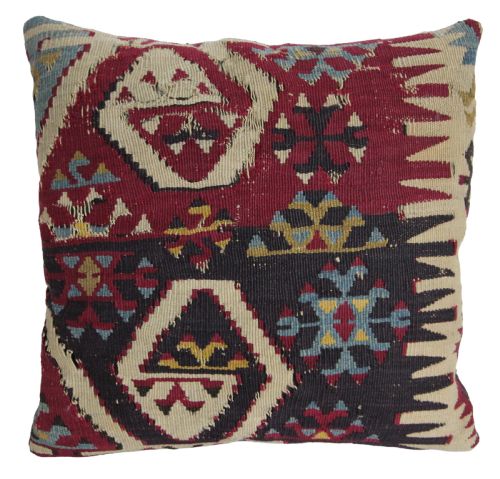
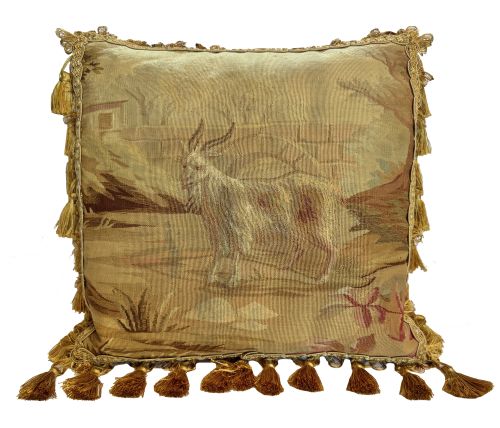
An antique scatter pillow repurposes historical woven textiles, tapestry borders and rug fragments into soft furnishings for rooms. When you search for antique scatter pillow options, you encounter items fashioned from kilim flatweaves, tribal bag faces, and French Aubusson or silk panels.
These pieces bridge historical textile preservation and interior comfort. They bring traditional motifs and aged textures directly onto modern seating.
Quality variations in historical cushions
The condition and integrity of the original textile determine the standard of the cushion. Pieces made from robust wool kilim fragments or tightly woven tribal bag faces withstand handling better than delicate antique silk or fine Aubusson panels.
The authenticity and age of the source material dictate the character of the item. Genuine 17th century tapestry borders or hand woven rug faces display superior dye depth and complex weaving techniques compared to later reproductions.
The quality of construction and choice of backing material matter significantly. Using period appropriate fabrics like 18th century linen for the reverse side elevates the overall standard of the finished cushion.
Antique Scatter Pillow Retail Price Guide 2026
Typical asking prices for scatter pillow among the pieces listed under this phrase on Sellingantiques today, from the lower quarter to the upper quarter. They describe what is for sale here now, not the wider market.
The Antique Scatter Pillow Glossary
- Kilim
- A flatwoven carpet or rug produced in countries of the former Ottoman Empire, Persia and Central Asia. These durable textiles form the most frequent cushion fronts on this page.
- Aubusson
- A style of tapestry traditionally woven in the French town of Aubusson, featuring floral or architectural motifs. These delicate panels appear on mid nineteenth century cushions.
- Bag face
- The decorative front panel of a nomadic tribal storage bag, hand woven in wool. Collectors prize these dense geometric patterns for scatter cushions.
- Passementerie
- Elaborate trimmings, edgings, or fringes applied to textiles. These decorative borders finish the edges of many historical cushion covers.
- Toile
- A cotton or linen fabric featuring printed or woven pastoral scenes. Edwardian versions utilise these classical patterns for cushion covers.
Antique Scatter Pillow: Frequently Asked Questions
How do I clean an antique scatter pillow?
Surface dust should be removed gently using low suction through a mesh screen to protect fragile fibres. Professional textile cleaning is necessary for deeper care.
Water and standard detergents can damage old wool, silk, and natural dyes. Avoid machine washing or harsh chemical treatments entirely.
Are these cushions made from original old rugs?
Many examples utilise genuine historical fragments cut from mid nineteenth century kilims, tribal bag faces, and older carpets. Skilled makers salvage these textiles to give worn rugs a new functional purpose.
Checking the weave density and wool quality helps confirm the age of the source material. Each piece retains the authentic patina of its textile origins.
Can I use these cushions on daily seating?
Sturdy wool kilim and carpet cushions handle normal everyday use well on sofas and chairs. The thick flatweave structure resists standard friction and wear.
Delicate silk or Aubusson varieties suit decorative placement rather than heavy lounging. Rotating the cushions helps distribute wear evenly across the surface.
How do I tell different regional weaves apart?
Anatolian and Persian tribal pieces typically feature geometric motifs, bold diamonds, and saturated wool dyes. French regional styles like Aubusson display muted floral bouquets and classical pastoral scenes.
Examining the knotting style and back of the textile reveals specific weaving traditions. Source materials often correlate directly with the recorded period and origin of the piece.