

Antique Rustic Painting
An antique rustic painting brings domestic history and textural depth into a room, offering genuine character that modern canvases cannot replicate.
Antique Rustic Painting
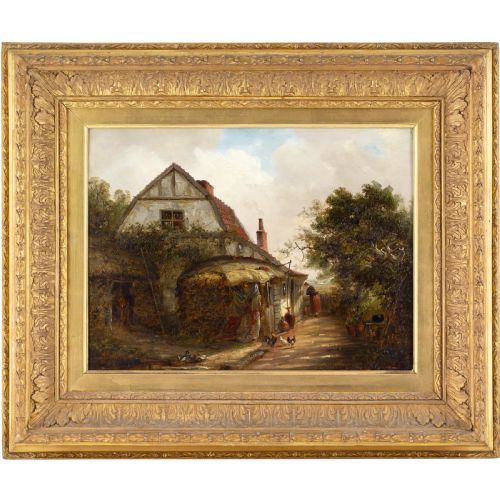
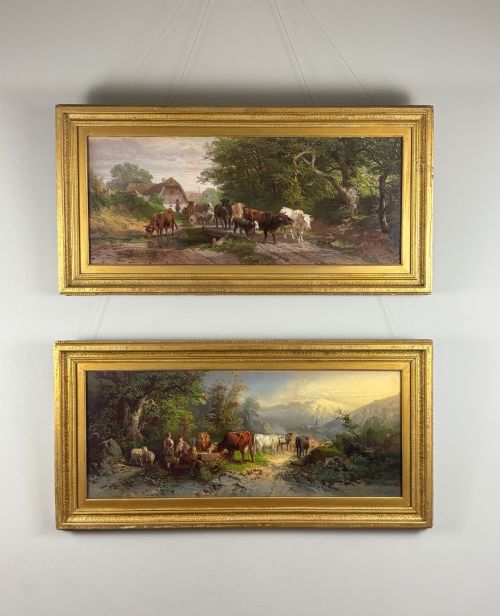
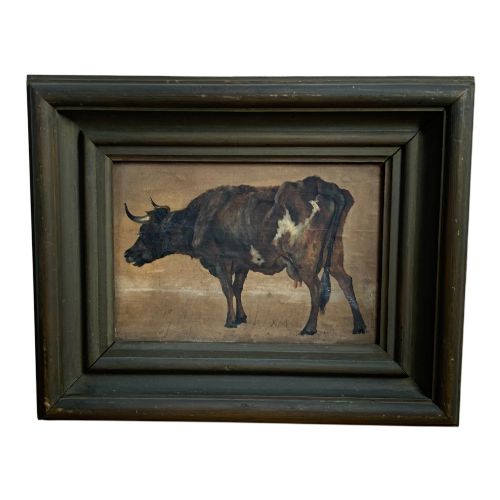
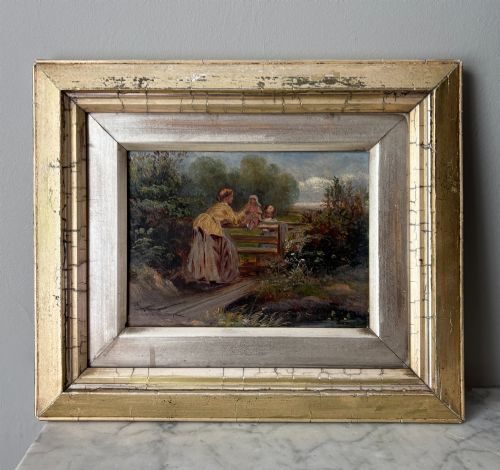
When you search for an antique rustic painting, you look at oil on canvas works and painted wood panels originating from the eighteenth, nineteenth, and early twentieth centuries. These pieces capture domestic scenes, animals, and landscapes, often rendered by regional or untutored hands rather than academy masters. You are most likely to meet nineteenth-century English and European works that display honest brushwork and unpretentious subject matter.
The aesthetic bridges fine art and vernacular craft, reflecting the everyday environments of the periods that produced them. Many pieces retain their original uncleaned surfaces, showing the natural accumulation of age rather than modern restoration. Such works complement country house interiors, farmhouse kitchens, and minimalist spaces seeking a focal point with genuine history.
Materials and technique
These works rely on oil on canvas, gouache on paper, or pigments applied directly to painted wood panels and primed surfaces. Artists utilised traditional ground preparations, mixing natural earth and mineral pigments with drying oils to achieve stable colour retention over centuries. The brushwork ranges from tight realist execution to loose, expressive application depending on the painter's training and regional tradition.
Substrates often include heavy woven canvas stretched over wooden frames or solid timber boards selected for local availability. The frames themselves, frequently contemporaneous pine or hardwood mouldings, form an integral part of the physical object and its survival.
Antique Rustic Painting Retail Price Guide 2026
Typical asking prices for rustic painting among the pieces listed under this phrase on Sellingantiques today, from the lower quarter to the upper quarter. They describe what is for sale here now, not the wider market.
Early twentieth-century wooden decoy ducks occasionally sneak into painting searches, proving that makers carved birds as carefully as they brushed canvases.
Judging quality in rustic works
Quality rests upon the strength of the composition, the sensitivity of the palette, and the integrity of the paint surface. A superior painting commands attention through confident brushwork and balanced tonal relationships, even when depicting humble subjects like working terriers or rural landscapes. The relationship between the painted surface and its support determines visual harmony.
Survival of the original surface separates exceptional examples from heavily overworked pieces. Works that retain their untouched pigment layers without extensive overpainting or relining offer a more honest encounter with the maker's hand.
Lionel Ellis·Karel Dujardin·Edward Armfield
The Antique Rustic Painting Glossary
- Oil on canvas
- Pigments bound in a drying oil, typically linseed, applied to a stretched woven fabric support. This medium allowed artists to blend tones smoothly and build rich impasto.
- Gouache on paper
- An opaque water-based medium applied to a paper support, producing a matte finish with high colour saturation. It differs from transparent watercolour through the addition of a white pigment filler.
- Folk art
- Creative works produced by self-taught individuals working within traditional community aesthetics rather than academic canons. These pieces prioritise utility, narrative, and direct expression over strict proportion.
- Polychrome
- Decorated or executed in multiple colours. The term frequently applies to painted wooden surfaces, furniture, and decorative objects showing several distinct pigment hues.
Antique Rustic Painting: Frequently Asked Questions
How do I clean an old oil painting?
Surface dust may be removed gently with a soft, dry natural bristle brush. Avoid using water, household cleaners, or moisture on exposed canvas.
Professional conservation is required for deeper cleaning or varnish removal. Improper solvents can strip original pigment layers permanently.
Are these paintings signed by artists?
Many rustic and vernacular works remain unsigned because makers operated outside academic fine art traditions. Regional painters and folk artists often viewed their output as utilitarian decoration rather than collectible oeuvre.
Unsigned pieces rely on stylistic attribution, materials, and framing context to suggest a period and geographic origin.
Where should I hang these pieces?
These works suit dining rooms, libraries, and living spaces where natural light enhances textured brushwork. Keep them away from direct sunlight and excessive humidity fluctuations.
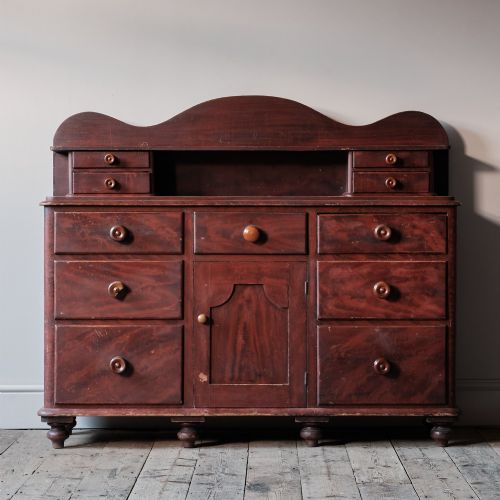
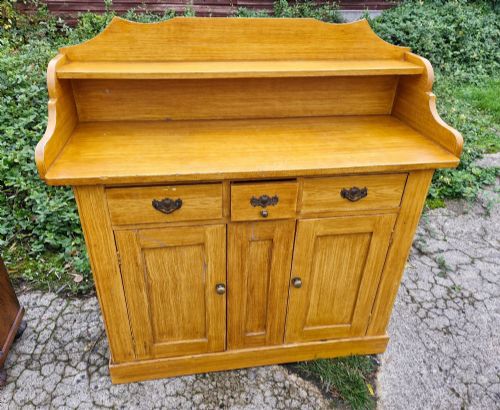
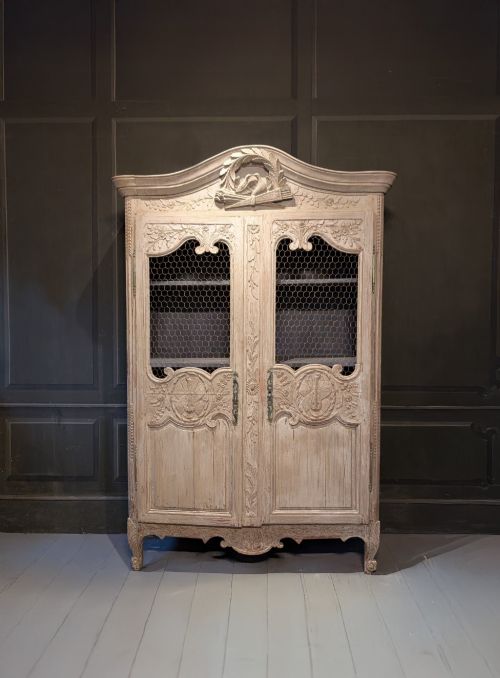
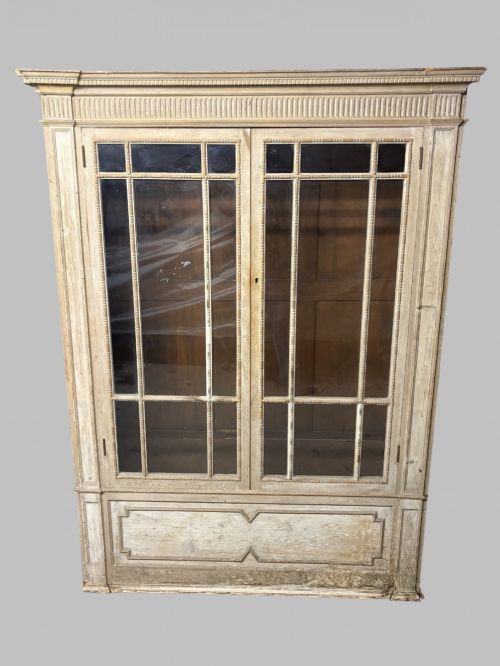
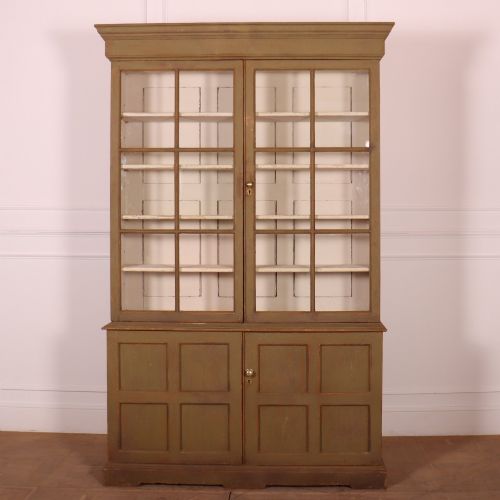
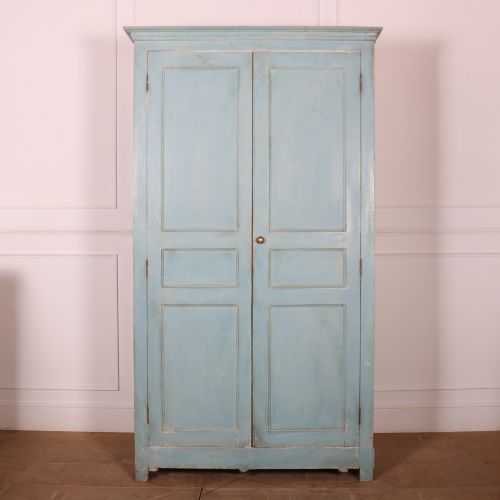
Pairing them with period furniture like dresser bases or timber cupboards creates a coherent historic interior.