
Antique Rustic Furniture
Antique rustic furniture brings the honest, practical craft of past centuries straight into modern rooms.
Antique Rustic Furniture
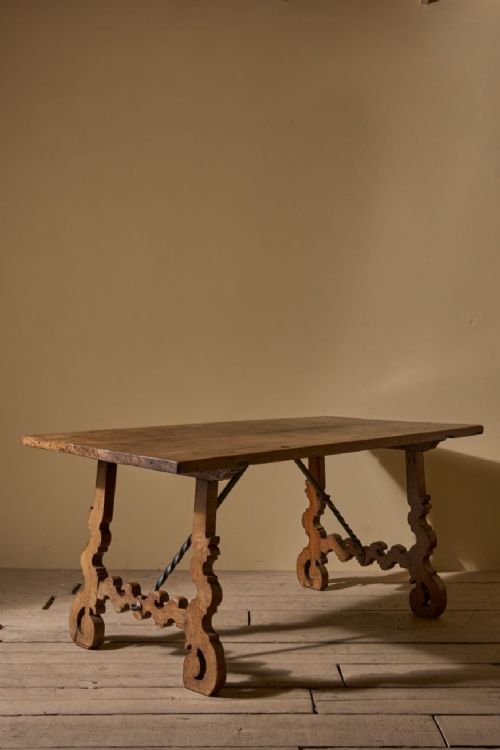
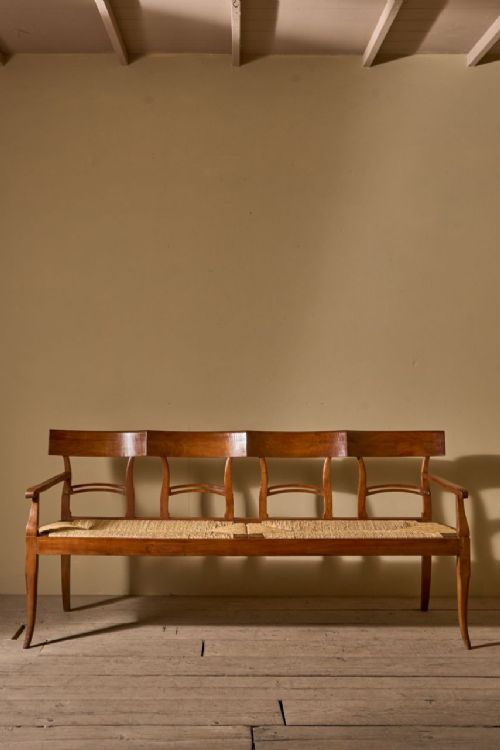
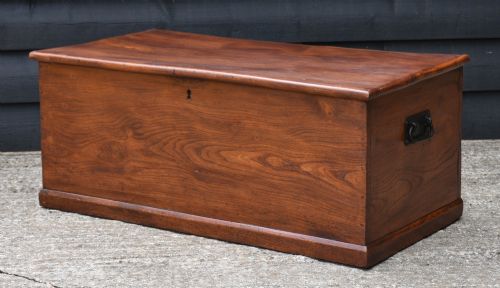
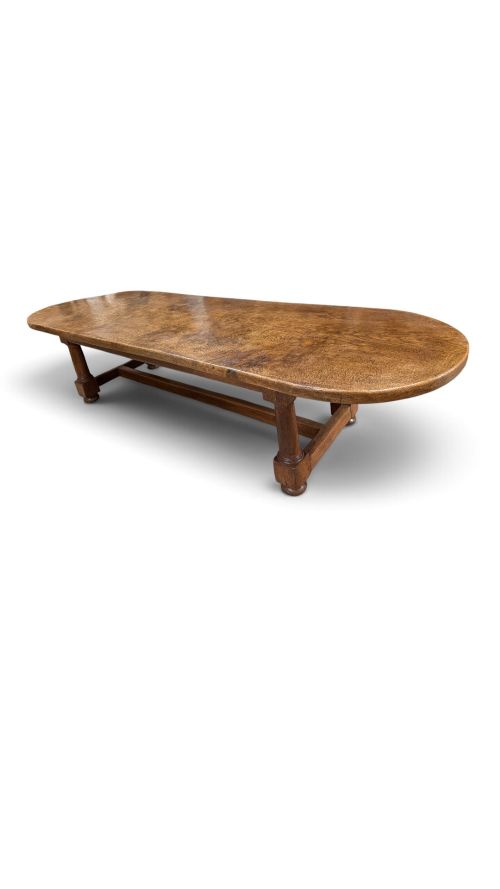
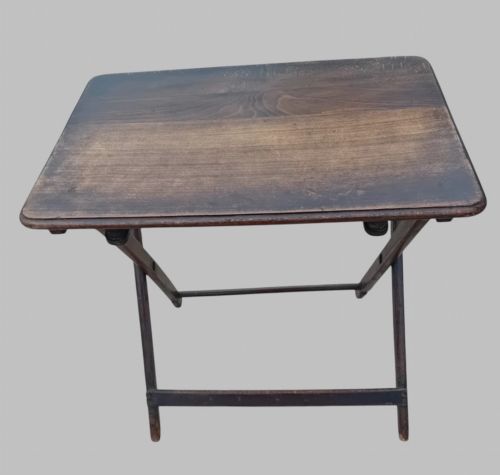
Antique rustic furniture comprises practical everyday items built by vernacular makers across the eighteenth, nineteenth, and early twentieth centuries. These pieces range from simple pine chests of drawers and beech folding tables to substantial oak refectory dining tables and elm benches.
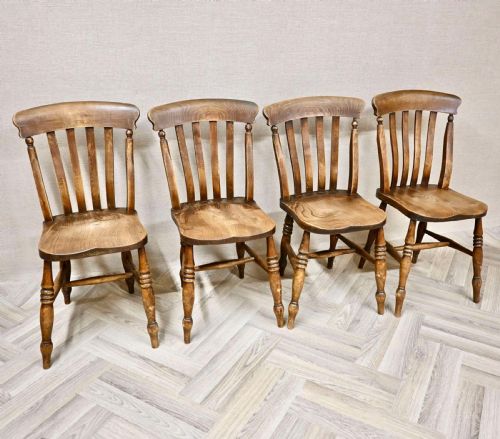
The version most commonly met on this page is nineteenth century pine storage furniture or oak dining seating rooted in regional country traditions. Pieces often show straightforward construction designed for utility in farmhouse kitchens, taverns, and country halls.
How these pieces were made
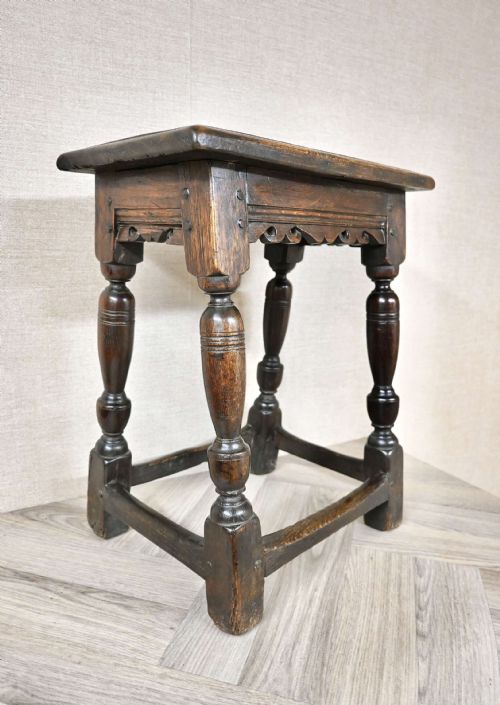
Makers constructed these items using solid native timbers such as oak, pine, elm, beech, and sycamore, often joining boards with pegged mortise and tenon joints or simple dovetails. Surfaces were frequently left plain, scrubbed bare, or finished with traditional paint, glazes, or wax.
Hardware and structural reinforcements typically involved hand-forged iron or brass brackets, hinges, and drawer pulls that served a purely functional purpose.
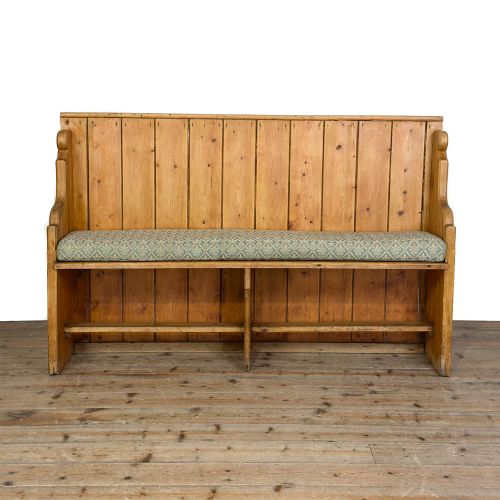
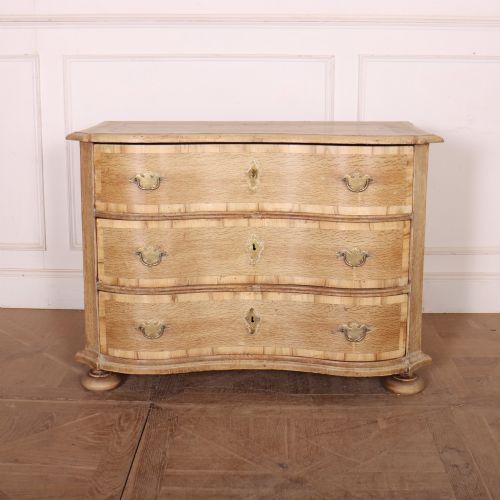
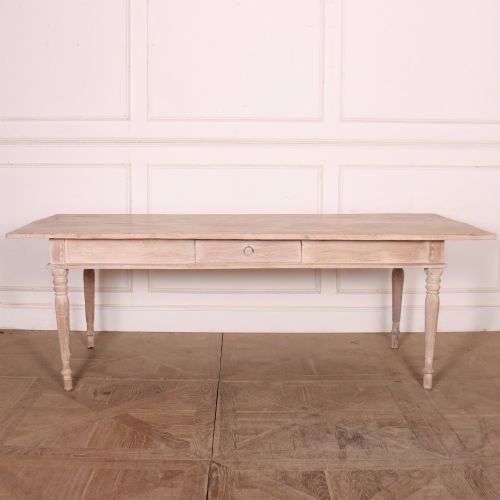
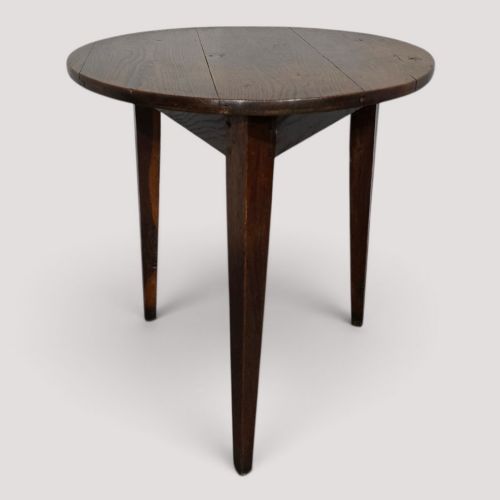
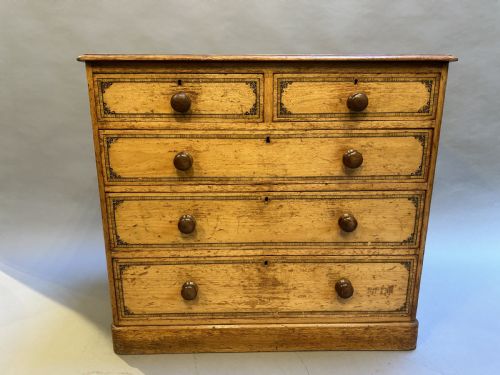
Common forms include chests of drawers, refectory dining tables, cricket tables, and high-backed settles.
What varies in quality
Quality in this category rests upon the integrity of the timber, the honesty of the construction, and the preservation of original surfaces. Pieces retain greater character when they keep their early scrubbed finishes, original paint, or deep patination accumulated through generations of use.
Proportion and structural balance also separate finer vernacular items from ordinary utility pieces, as regional makers often combined sturdy utility with pleasing, balanced forms.
The Antique Rustic Furniture Glossary
- Cricket table
- A small, lightweight three-legged table traditionally used beside the hearth in country homes. The three legs ensured stability on uneven flagstone floors.
- Potboard dresser base
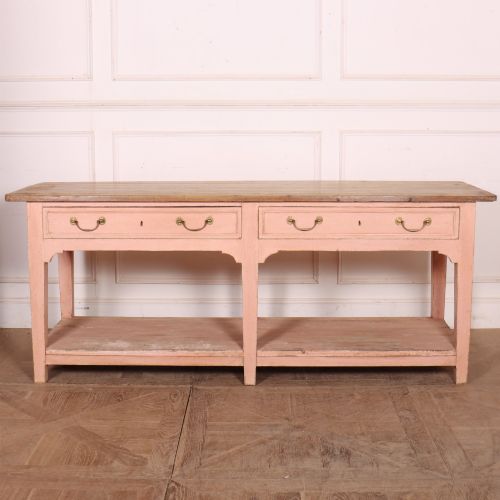
- A low sideboard or dresser base featuring an open lower shelf used for storing pots and domestic utensils. These sturdy bases formed the foundation for kitchen storage in country houses.
- Settle
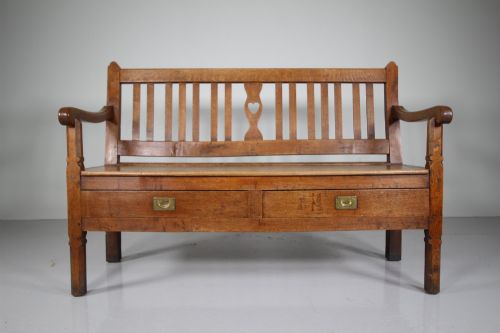
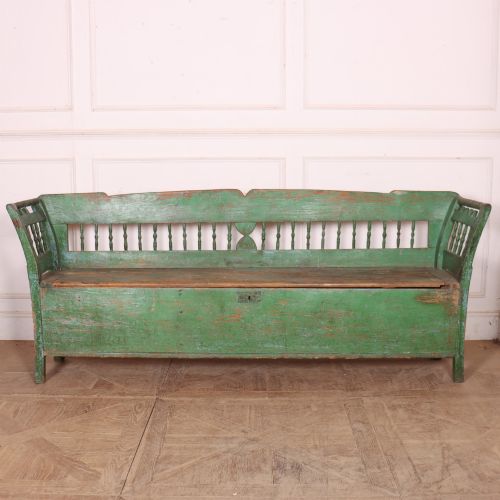
- A high-backed wooden bench with solid arms and a closed base designed to keep out draughts in old halls and kitchens. Many examples include integrated box seating or hinged lids for storage.
- Vernacular
- Everyday utilitarian objects built by local tradesmen and country carpenters rather than high-style urban cabinetmakers. These items reflect regional traditions and locally available materials.
- Frieze
- The horizontal band situated directly beneath the top surface or cornice of a piece of furniture. It occasionally houses single or multiple drawers.
Antique Rustic Furniture: Frequently Asked Questions
What defines antique rustic furniture?
These pieces are practical, everyday furnishings created by regional makers using solid regional timbers like oak, pine, elm, and beech. They reflect local vernacular traditions rather than formal urban cabinetmaking.
Items range from dining tables and dressers to chests of drawers and settle benches built across the seventeenth, eighteenth, and nineteenth centuries.
How were these pieces used originally?
They served essential domestic and commercial functions in farmhouses, cottages, taverns, and country halls. Chests stored linens and clothing, while settles provided draught-free seating beside the hearth.
Dining tables and potboard dressers accommodated food preparation and daily family meals in busy kitchens.
How do I live with rustic furniture?
These pieces suit contemporary interiors by adding warmth, texture, and a sense of history through their worn timber and honest construction. They mix easily with modern minimalist schemes or traditional decor.
Routine care involves dusting and occasional waxing to nourish dry historic wood without removing its accumulated character.
How can I tell periods apart?
Earlier pieces from the seventeenth and eighteenth centuries often display heavier oak construction with hand-carved details and pegged joinery. Nineteenth-century examples frequently utilise softer pine, simpler forms, and machine-cut elements.
Stencilled decoration, specific regional hardware, and timber choice often point toward Victorian or Edwardian production dates.