

Antique Rustic Cupboard
An antique rustic cupboard brings honest utility and vernacular character to a room, offering robust storage shaped by generations of practical domestic use.
Antique Rustic Cupboard
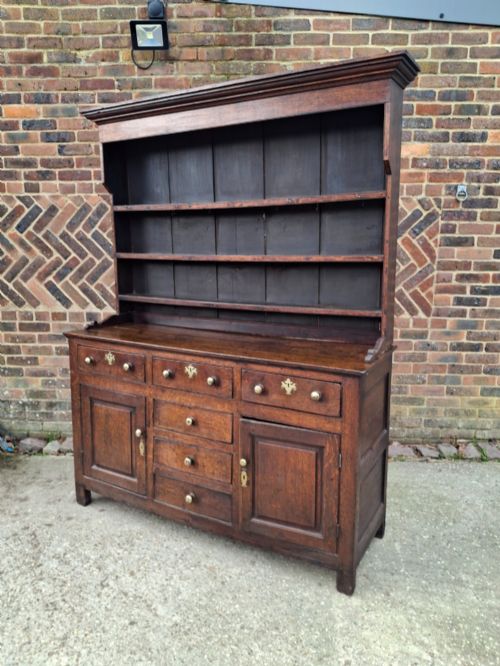
When you search for an antique rustic cupboard, you encounter a diverse array of vernacular storage furniture built for specific domestic tasks rather than formal reception rooms. The pieces span centuries of rural craftsmanship, originating from English farmhouses, Welsh cottages, French provincial workshops, and Scandinavian homesteads.
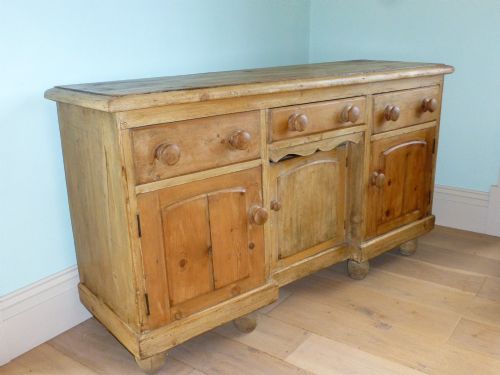
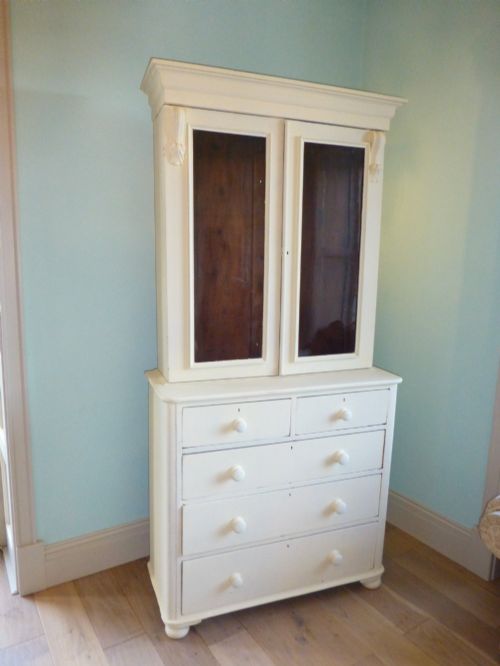
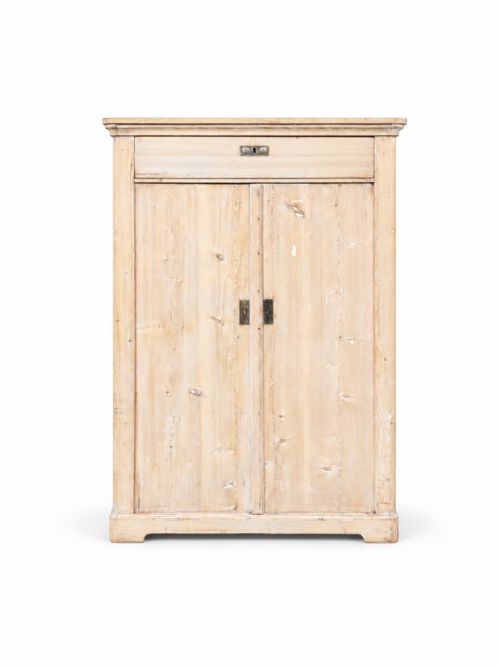
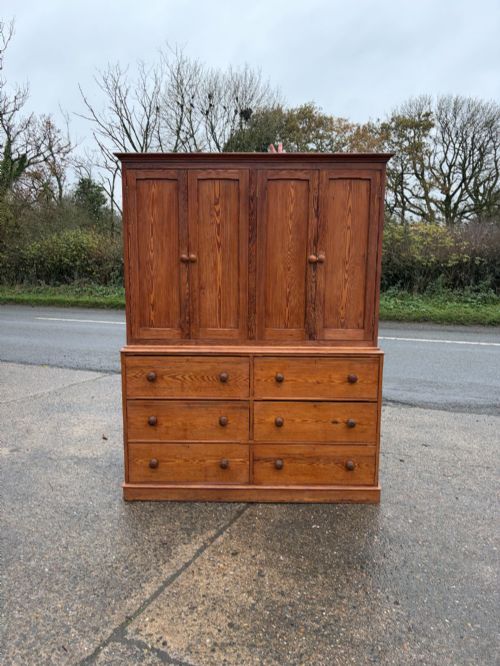
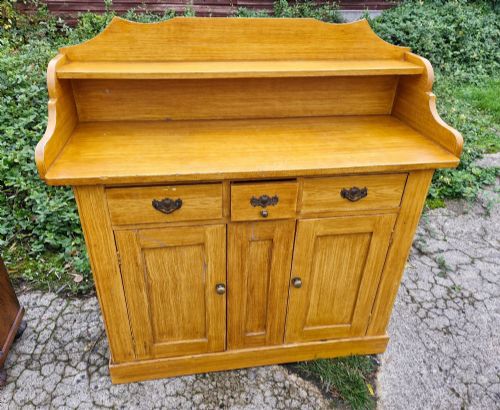
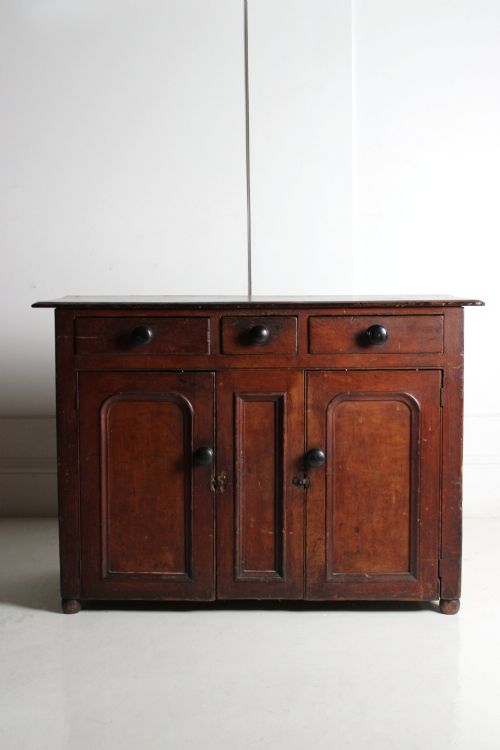
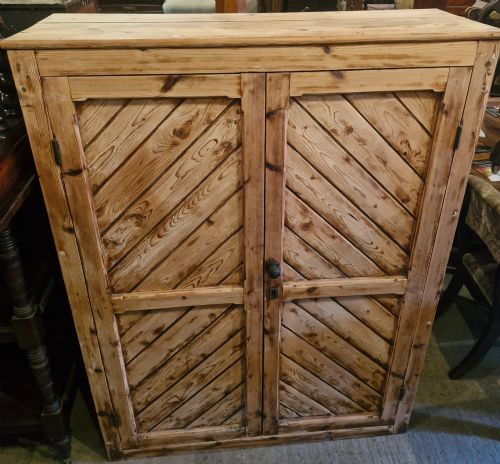
The most common versions on this page are pine kitchen cupboards, housekeeper's cupboards, and food cupboards dating from the nineteenth century. These forms typically feature utilitarian layouts, including two-part constructions, panelled doors, and interior shelving designed to store provisions, linens, or crockery.
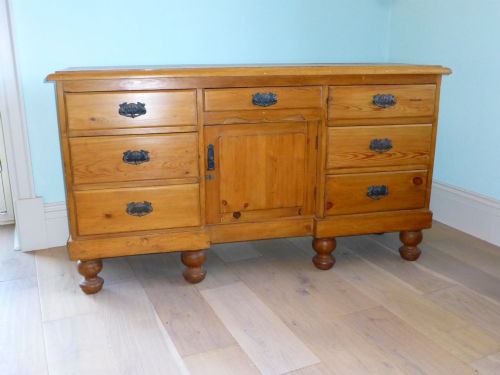
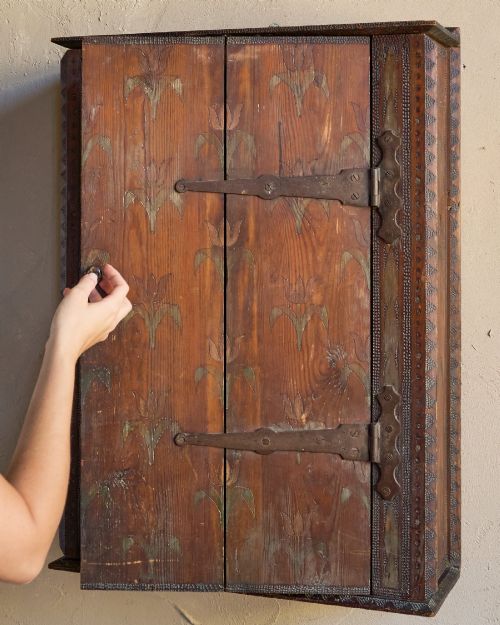
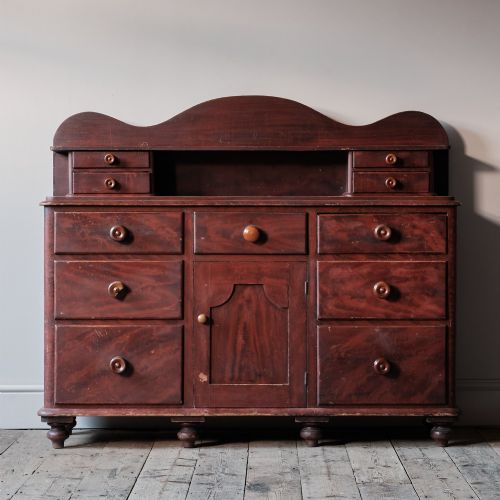
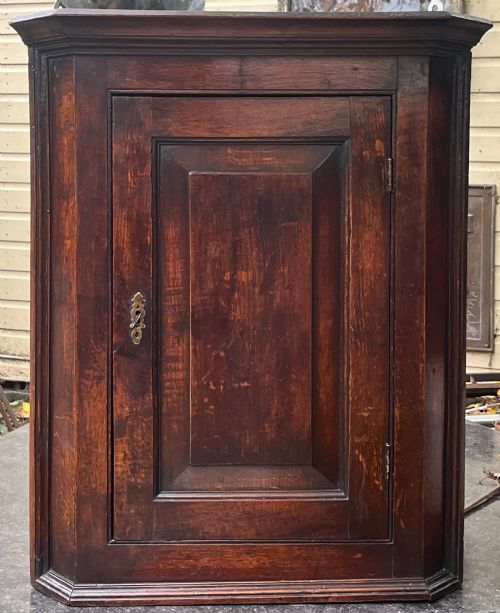
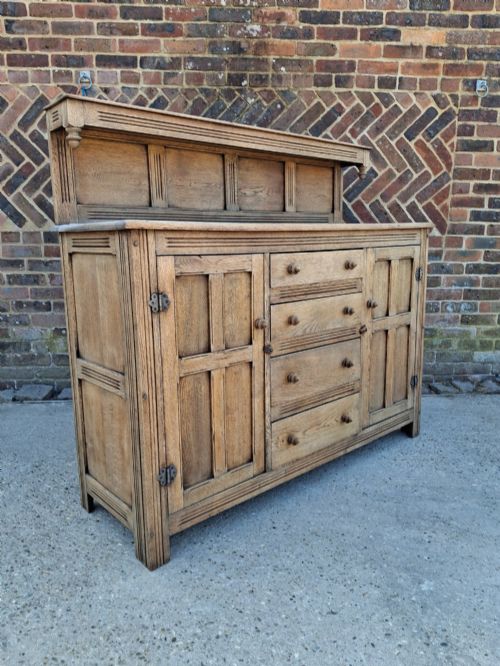
Alongside standard freestanding cupboards, the selection encompasses related vernacular forms such as dresser bases, sideboards, wardrobes, and wall-mounted cabinets. Materials shift according to regional availability, ranging from native English oak and ash to imported pine and elm.
Materials and Technique
Makers relied primarily on solid timbers such as pine, oak, elm, and ash, selecting wood for local abundance and structural endurance rather than decorative veneer. Panels were frequently hand-planed and joined using traditional mortise and tenon construction to accommodate seasonal movement in unheated rural buildings.
Hardware consists principally of forged iron, wrought iron, and brass hinges, latches, and handles that secure heavy doors and drawers. Surface treatments vary from bare scrubbed timber to layers of original or later paint, folk art decoration, and stained finishes.
Antique Rustic Cupboard Retail Price Guide 2026
Typical asking prices for rustic cupboard among the pieces listed under this phrase on Sellingantiques today, from the lower quarter to the upper quarter. They describe what is for sale here now, not the wider market.
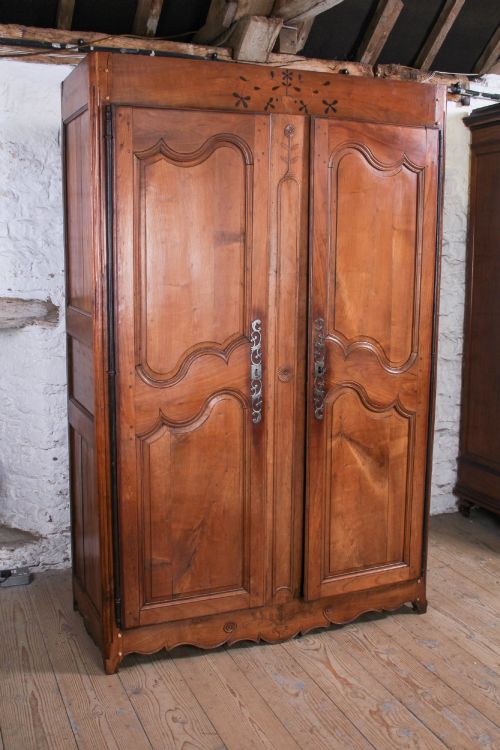
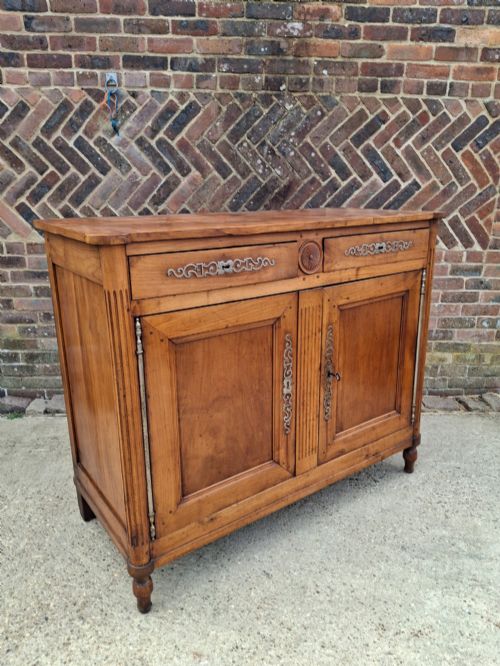
The inventory records diverse regional forms including French provincial armoires, Welsh food cupboards, Irish dressers, and English housekeeper's cabinets.
Assessing Quality
Quality in a rustic cupboard rests upon the integrity of its original construction and the preservation of its uncompromised surfaces. Pieces retaining their early paint finishes, original ironwork, and untouched backboards hold greater authority than those heavily stripped or extensively restored with modern timber.
Proportion and structural honesty also distinguish finer examples, where joints remain tight and cornices balanced despite decades of heavy service. The best pieces display the distinct hand of the local joiner, combining robust utility with unpretentious regional style.
Mouseman
The Antique Rustic Cupboard Glossary
- Housekeeper's cupboard
- A large, tall storage piece traditionally used to store household linens, dry goods, and tableware. These often feature upper and lower sections with multiple doors.
- Food cupboard
- A ventilated cabinet designed for storing perishable provisions before the advent of refrigeration. They frequently incorporated pierced panels or mesh to allow air circulation.
- Enfilade
- A long sideboard or cabinet with a series of doors along the front, common in French provincial dining rooms. They provide expansive surface area and deep interior storage.
- Mortise and tenon
- A fundamental woodworking joint where a projecting tongue fits snugly into a corresponding cavity, securing timbers at a right angle without metal fasteners.
- Folk art
- Decorative painting or ornamentation applied by hand to vernacular furniture, often featuring regional motifs and pigments characteristic of Swedish, Irish, or French traditions.
Antique Rustic Cupboard: Frequently Asked Questions
What is an antique rustic cupboard?
An antique rustic cupboard is a piece of vernacular storage furniture built from solid woods like pine, oak, or elm for everyday domestic use. These cabinets originated in farmhouses and rural workshops to hold provisions, linens, or household goods.
Unlike formal Georgian or Victorian parlour furniture, rustic cupboards prioritise practical utility and honest construction over decorative refinement. Their charm lies in their regional character, sturdy proportions, and signs of long use.
How were rustic cupboards used?
These cupboards served as the primary storage hubs for rural households, accommodating everything from dry foods and cheeses to heavy woollen blankets and everyday crockery. Tall housekeeper's cupboards held household linens, while smaller wall cabinets kept spices or medicines secure and dry.
In kitchens and dairies, food cupboards provided ventilated space to store provisions away from pests. Their sturdy surfaces also acted as extra workspace for food preparation in busy homes.
How do I live with a rustic cupboard?
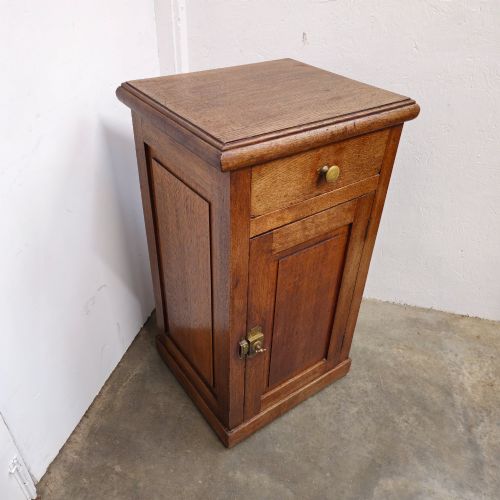
Integrating a rustic cupboard into a modern home is straightforward because their neutral timber tones and simple lines complement contemporary and traditional interiors alike. Use a tall pine or oak cupboard in a kitchen for dinnerware, or place a smaller bedside cabinet in a bedroom for enclosed storage.
Keep solid wood furniture away from direct heat sources and sudden humidity changes to prevent the timber from splitting. Regular dusting and occasional waxing will maintain the dry, honest finish of the old wood.
How can I tell the period of a cupboard?
Dating a rustic cupboard involves examining the wood species, construction marks, and hardware methods used by the maker. Eighteenth-century and early nineteenth-century pieces often feature hand-planed surfaces, pegged joints, and forged iron H-hinges.
Later Victorian and early twentieth-century examples frequently incorporate machine-sawn timber, brass handles, and standardised tongue-and-groove backboards. Tool marks left on the interior boards reveal whether the maker relied on traditional hand tools or early industrial machinery.