



Antique Rural Prints
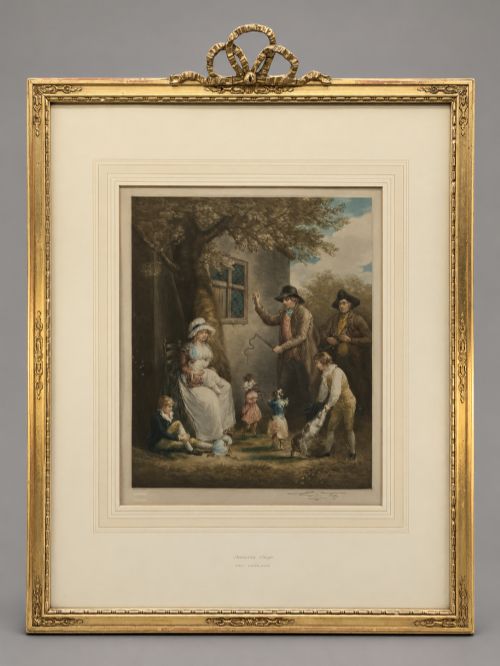
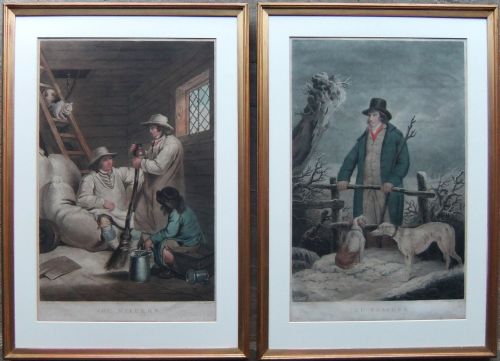
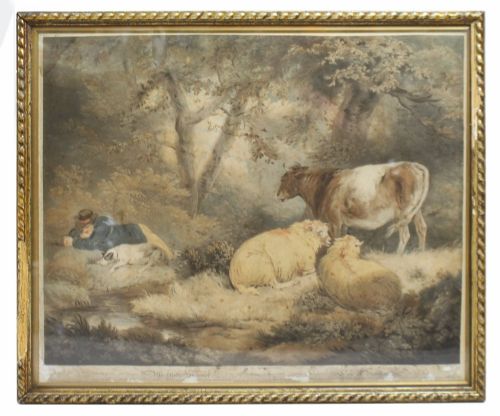
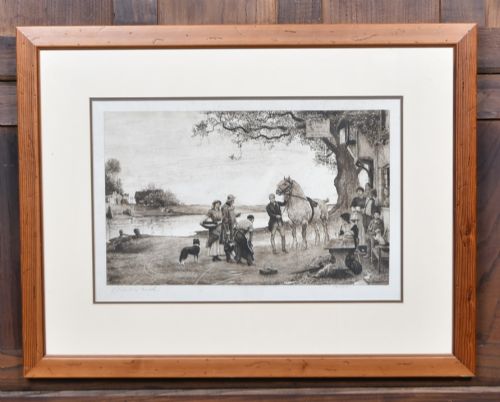
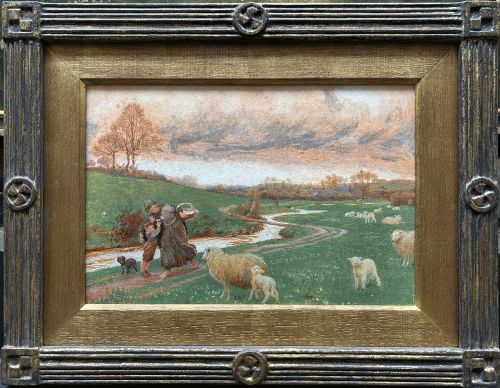
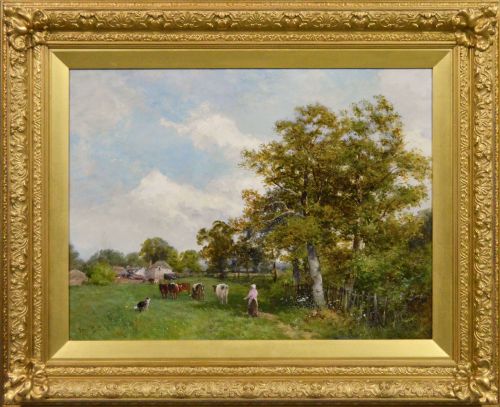
These antique rural prints and works on paper capture pastoral scenes and country life across the nineteenth and early twentieth centuries.
Antique Rural Prints
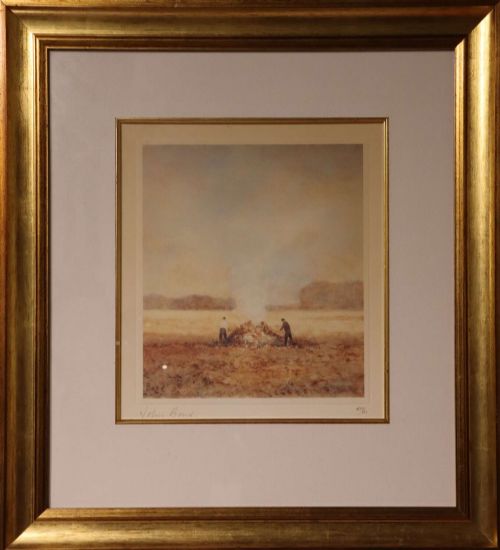
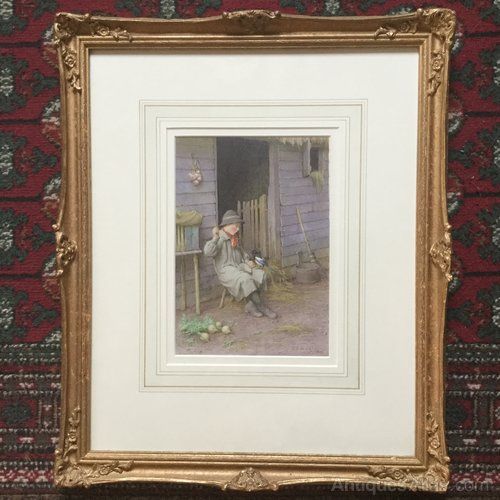
When you search for antique rural prints, you are looking at works that record the traditional working landscape, cottage life, and agricultural scenes of Britain. The selection spans nineteenth century etchings, mezzotints, and lithographs, alongside watercolours and oil paintings that share a similar pastoral subject matter.
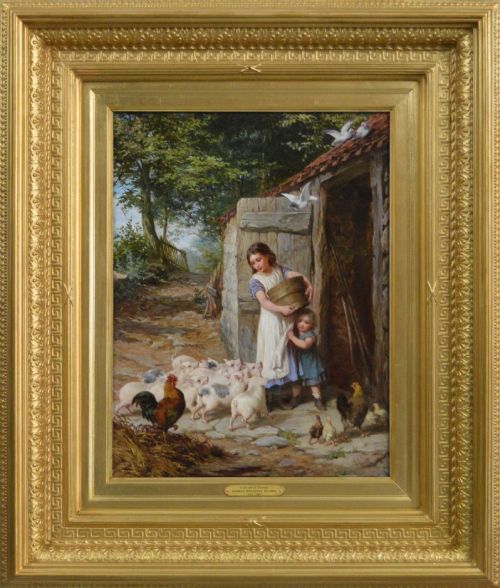
The pieces you meet most often on this page date from the Victorian and Edwardian periods, capturing scenes of farm workers, livestock, and country cottages. Creators range from skilled reproductive engravers to named artists working in watercolour and oil.
The scope extends beyond works on paper to include transfer-printed pottery bearing rural patterns, showing how widely pastoral themes reached across domestic objects of the period.
How they were made
Many of these works utilise paper supports for etching, mezzotint, lithography, and watercolour painting, capturing fine line work and tonal gradation. Master printmakers translated original paintings using copper plates and steel engraving techniques to produce detailed impressions.
Framing materials such as wood, gilt wood, and gold leaf frequently accompany these works, often protecting delicate watercolours and paper sheets behind glass.
Antique Rural Prints Retail Price Guide 2026
Typical asking prices for rural prints among the pieces listed under this phrase on Sellingantiques today, from the lower quarter to the upper quarter. They describe what is for sale here now, not the wider market.
Pigs, cows, and chickens populate these pastoral scenes more often than polite society, keeping rural art firmly grounded in the farmyard.
What varies in quality
The distinction between standard works and superior examples lies in the crispness of the impression, the depth of the plate mark on etchings, and the subtlety of hand-colouring. Stronger works display confident draughtsmanship and careful observation of light and texture in the landscape.
Condition plays a central role, particularly regarding paper degradation, foxing, and the preservation of original framing materials like gilt wood against the passage of time.
David Bates·Robert W. Macbeth·George Augustus Holmes·Frederick Walker·Charles Edward Wilson·Herbert Dicksee·James William Booth·B. Kaufmann·Hubert Coutts R.I.·Joseph Kirkpatrick·Herbert Royle·George Morland·James Wallace and Co.·Lois Wilton
The Antique Rural Prints Glossary
- Etching
- A printmaking technique where lines are bitten into a metal plate with acid before being inked and pressed onto paper. It allows for fine, expressive detail.
- Mezzotint
- A tonal printmaking method where the copper plate is roughened to achieve rich darks and smooth gradations of light. It was widely used for reproducing oil paintings.
- Lithograph
- A planographic printing process using stone or metal plates based on the antipathy of oil and water. It produces faithful reproductions of original watercolours and drawings.
- Transfer Pottery
- Ceramic wares decorated by applying a printed design from a copper plate onto the clay body using tissue paper. This technique brought pastoral scenes to utilitarian household items.
Antique Rural Prints: Frequently Asked Questions
What periods do these rural prints cover?
The works span the nineteenth century through the Edwardian era into the early twentieth century, reflecting shifting tastes in pastoral representation.
Victorian and Edwardian examples dominate the selection, showing both industrial-age nostalgia for the countryside and direct observation of rural labour.
Are all these items works on paper?
While many items are etchings, mezzotints, watercolours, and lithographs on paper, the category also includes oil paintings and transfer-printed pottery.
Pictorial works on paper are frequently housed behind glass within period wood and gilt frames.
How do I care for antique prints?
Keep works on paper away from direct sunlight to prevent fading of watercolours and inks.
Maintain stable humidity levels to protect both the paper support and any wooden or gilt frames from warping.
What subjects are common in these scenes?
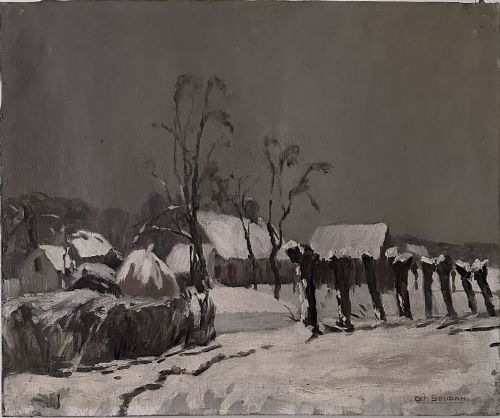
Common subjects include farm labour, figures tending livestock, winter villages, and tranquil country cottages.
These depictions range from documentary views of agricultural life to idealized pastoral compositions.