




Antique Royal Arms
Antique royal arms are historic heraldic displays embodying sovereign authority, sought by collectors for their striking presence and tangible connection to national history.
Antique Royal Arms
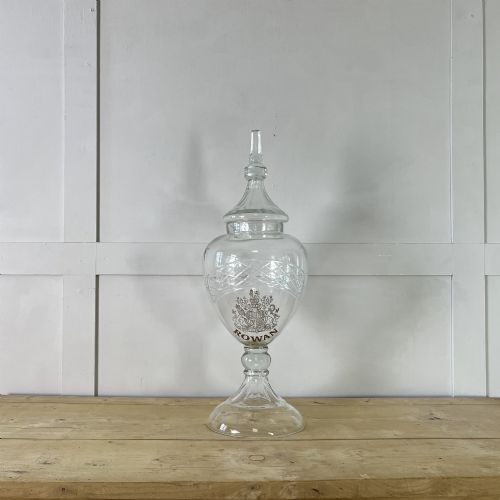
When you search for antique royal arms, you encounter a diverse range of objects carrying the heraldic symbols of the British monarchy. These pieces span from the Georgian and Victorian eras up to the early twentieth century.
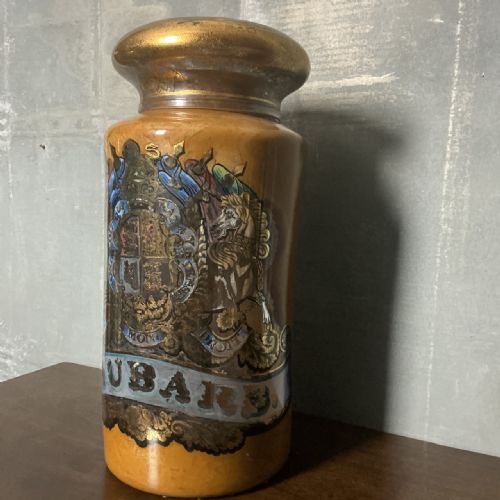
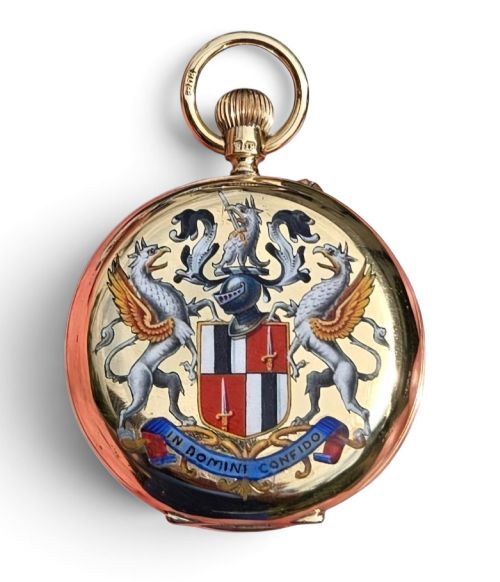
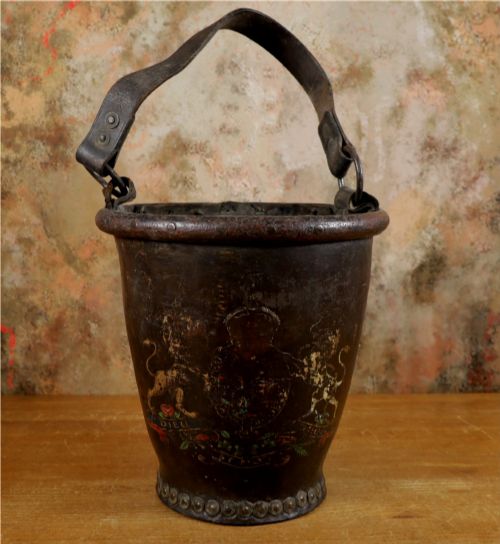
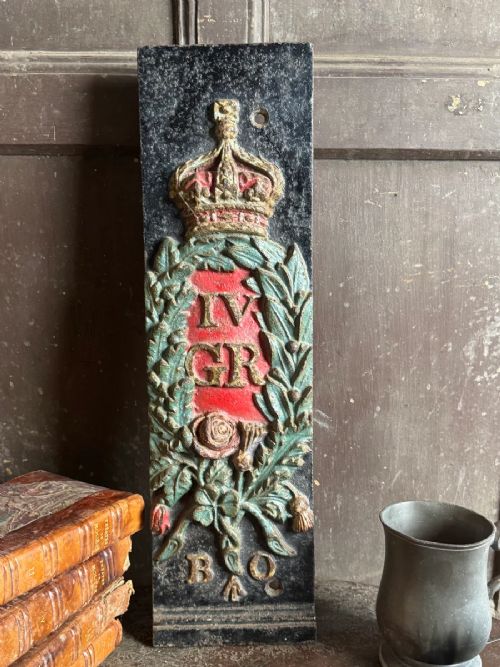
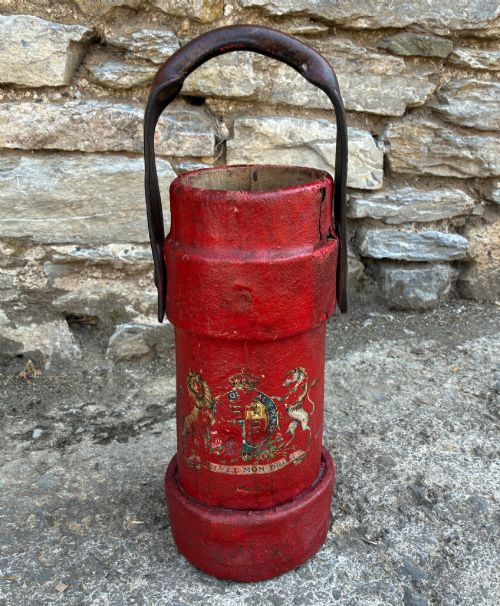
The selections on this page commonly take the form of heavy cast iron architectural wall plaques, hand-painted wooden crests, and leather fire buckets studded or painted with heraldic motifs. You also find military artefacts such as trench art and embroidered silks bearing regimental and royal associations.
These items originate from varied contexts, including government buildings, military units, and institutional establishments. Each piece reflects the specific reigning monarch or military branch of its period.
How they were made
Makers utilised durable metals such as cast iron to cast large architectural wall plaques and armorial crests, achieving sharp relief and lasting structural integrity. Wood was hand-carved and polychrome painted to render detailed heraldic beasts and mottoes.
Leather fire buckets relied on traditional coopered or stitched construction, decorated with hand-painted coats of arms or metal studwork. Skilled artisans applied gold leaf and enamel to highlight specific elements of the royal insignia.
Antique Royal Arms Retail Price Guide 2026
Typical asking prices for royal arms among the pieces listed under this phrase on Sellingantiques today, from the lower quarter to the upper quarter. They describe what is for sale here now, not the wider market.
Listings feature items spanning the Georgian, Victorian, and Edwardian periods, utilising materials such as cast iron, painted wood, and leather.
What varies in quality
Painted wooden and leather pieces differ according to the preservation of the original pigments and the finesse of the brushwork. Examples with intact polychrome surfaces and clear detailing command greater appreciation than those with heavy overpainting.
R. Stewart, Glasgow
The Antique Royal Arms Glossary
- Heraldic
- Pertaining to heraldry, the system of devising, displaying, and blazoning armorial bearings. It forms the foundation of all royal coats of arms.
- Polychrome
- Decorated in several colours. This technique is frequently found on carved wooden crests and armorial panels.
- Cast Iron
- A hard, relatively brittle alloy of iron and carbon that can be readily cast in a mould. It is the primary medium for heavy architectural wall plaques.
- Armorial
- Relating to heraldic arms or a coat of arms. These designs appear on plaques, fire buckets, and embroidered works.
- Regimental
- Relating to a regiment in the army. Many pieces in this category connect directly to artillery and military units.
Antique Royal Arms: Frequently Asked Questions
What are antique royal arms?
Antique royal arms are historic objects bearing the official coat of arms of the British monarchy. They include cast iron wall plaques, carved wooden crests, and painted leather fire buckets.
These pieces were displayed in public buildings, military settings, and institutions to denote official authority and allegiance to the Crown.
How were these crests displayed?
Large cast iron and wooden armorials were mounted prominently above doorways or on interior walls in civic and military spaces. Smaller items like painted leather buckets served practical firefighting functions while displaying the royal insignia.
Military objects and trench art incorporated these badges to signify unit pride and royal service.
How do I identify the period?
Dating relies on stylistic clues, manufacturing techniques, and specific monarchical ciphers or dates recorded in the evidence. Cast iron techniques and paint styles evolved noticeably from the Georgian era through the Victorian period and into the twentieth century.
Examining the materials, such as hand-carved polychrome wood versus later cast metals, helps narrow the production era.
How do I care for them?
Care depends on the material, requiring gentle dusting for cast iron and careful handling of painted leather or wood surfaces. Avoiding excessive moisture and direct sunlight preserves the original polychrome paint and gold leaf.
Metal components benefit from stable indoor humidity to prevent corrosion.