
Antique Ring Setting
An antique ring setting provides the historical architecture for gems, spanning Victorian, Edwardian, and Art Deco eras.
Antique Ring Setting
When you search for an antique ring setting, you encounter metal mounts designed to hold gemstones securely while defining the silhouette of the piece.
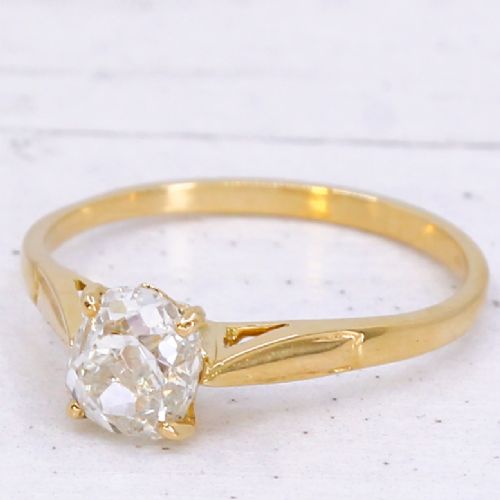
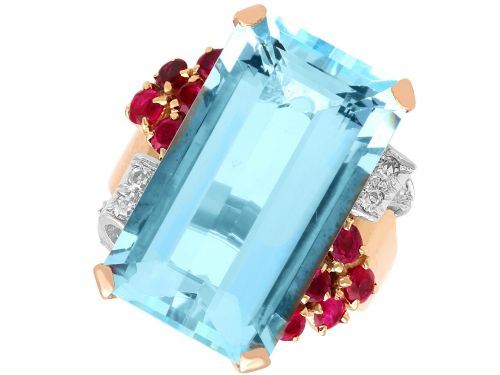
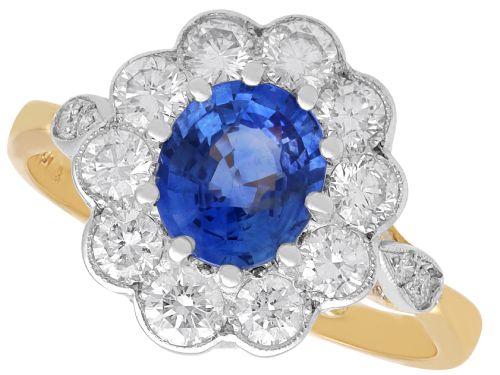
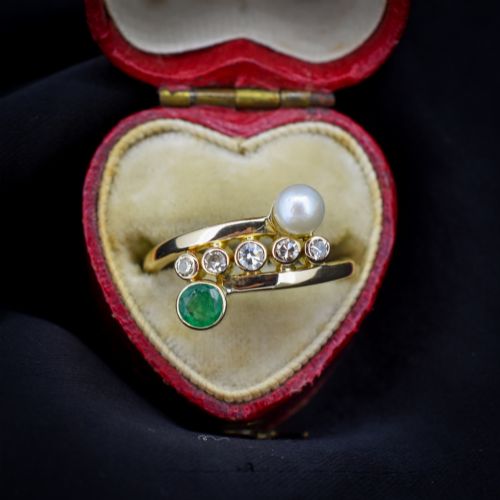
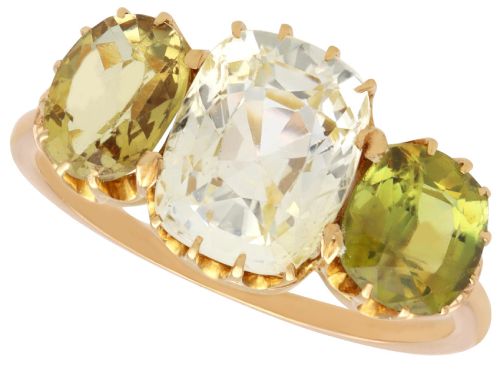
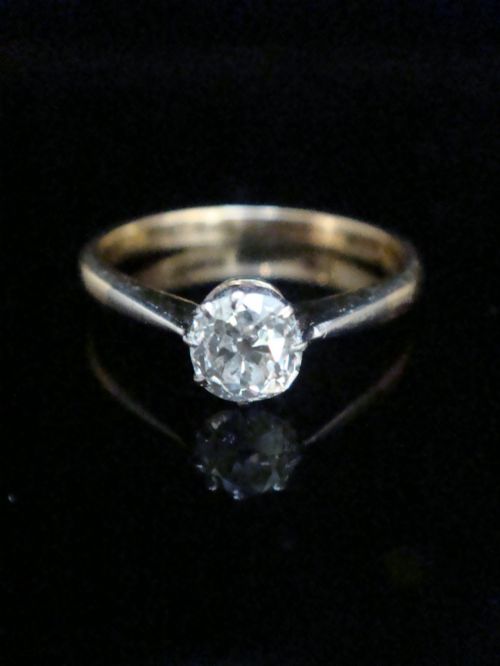
The versions most likely to meet you on this page include engagement rings, solitaire designs, cluster rings, and gypsy rings from the late nineteenth century through to the mid-twentieth century.
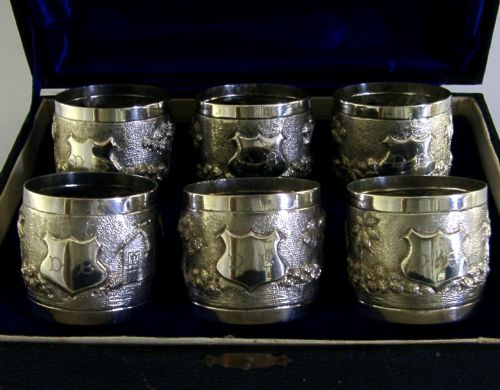
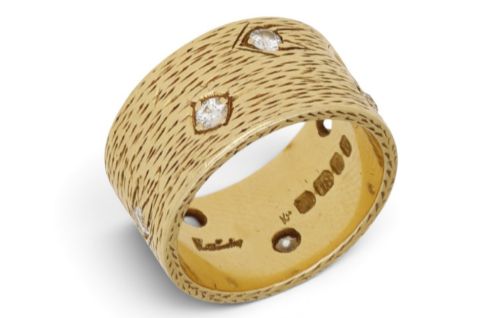
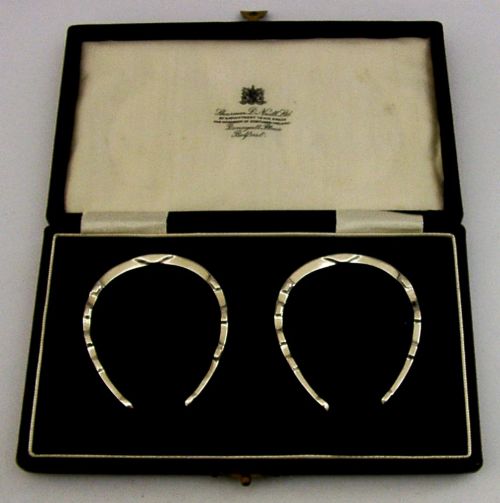
These mountings range from delicate Edwardian platinum work to substantial Victorian 18ct yellow gold bands, alongside functional domestic items such as sterling silver napkin rings.
Materials and construction
Materials recorded in these listings centre on 18ct yellow gold, platinum, and sterling silver, paired with diamonds, rubies, sapphires, and opals.
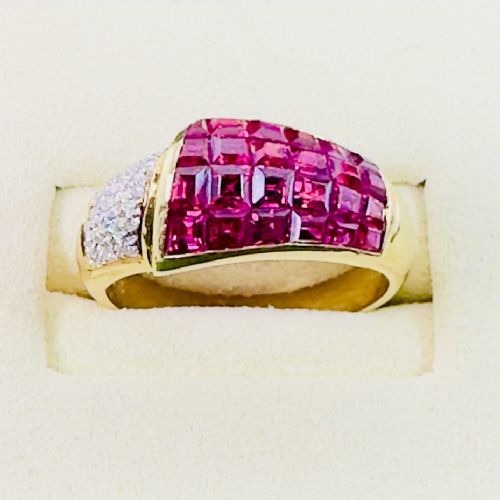
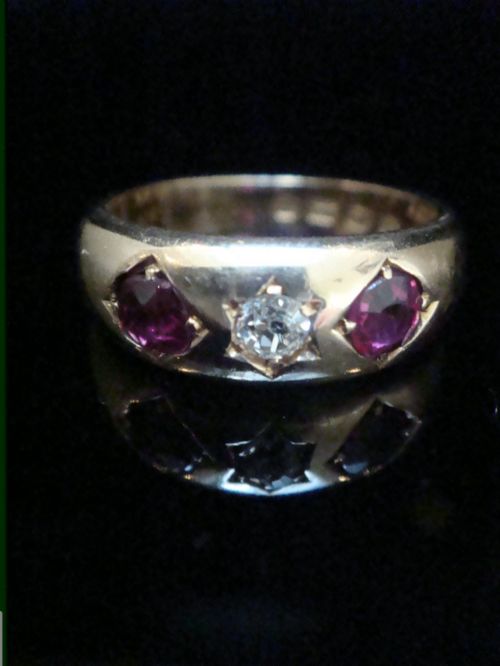
Techniques combine traditional hand-forging with bezel, gypsy, rubover, and star settings that press or hammer the metal directly over the stone to hold it flush.
Among the delicate diamond and ruby mounts, solid sterling silver lucky horse shoe napkin rings wait patiently to hold someone's dinner linen.
Quality variations
The standard of an antique ring setting depends upon the crispness of its hand-carved details and the structural integrity of the metalwork surrounding the stones.
Subtleties in claw proportion, flush-setting precision, and the weight of the underlying gold or platinum band separate standard production from finer examples.
The Antique Ring Setting Glossary
- Gypsy ring
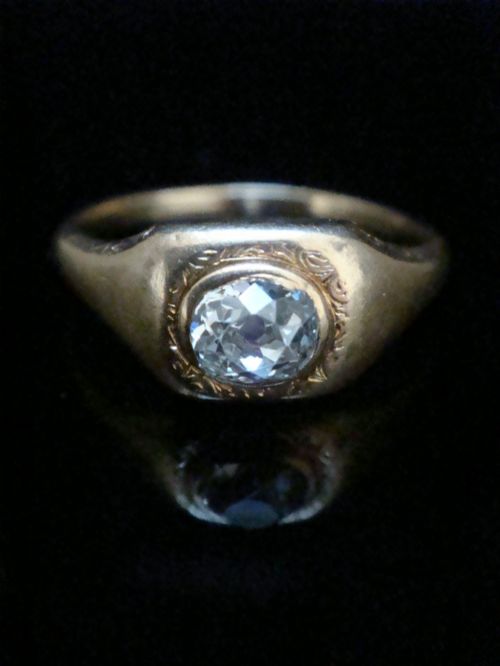
- A style where stones are flush-set directly into a heavy, tapering band. The metal is pushed over the girdle of the gem to secure it.
- Bezel set
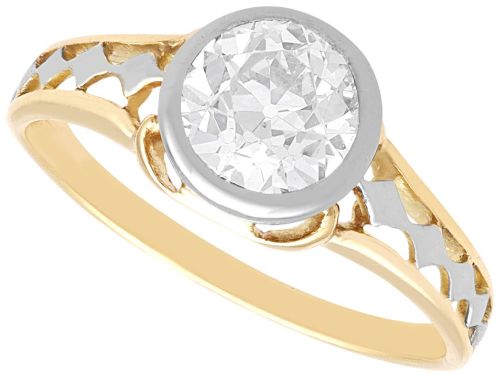
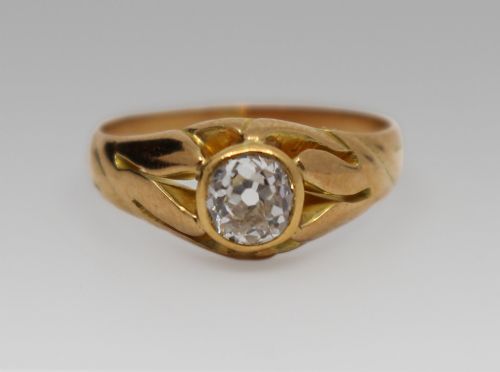
- A method where a thin metal collar wraps around the perimeter of the gemstone to hold it in place. This provides a smooth, protective border.
- Old cut diamond
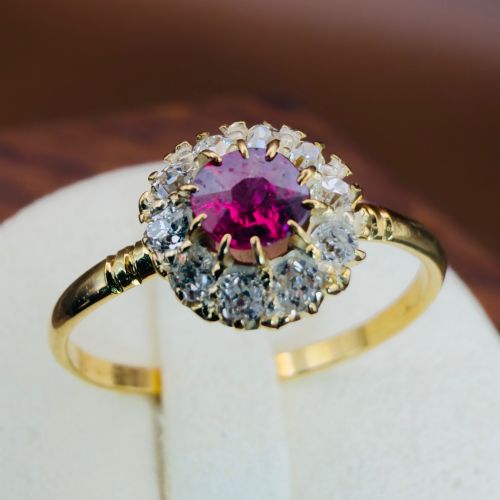
- A hand-faceted diamond shape common in periods before modern brilliant cutting standards were established. These stones feature smaller tables and larger culets.
- Cluster ring
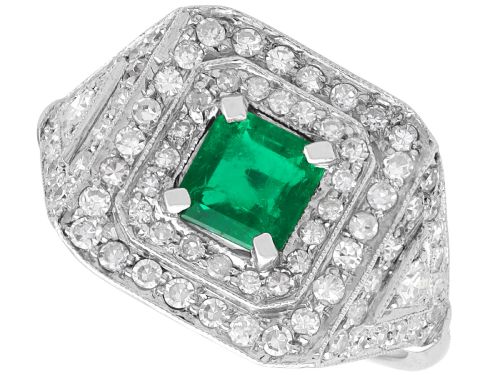
- A design featuring a central gemstone surrounded by a cluster of smaller stones. This arrangement maximises visual impact and light return.
Antique Ring Setting: Frequently Asked Questions
What is an antique ring setting?
An antique ring setting is the original metal mount that holds a gemstone in pieces dating from historical periods like the Victorian or Edwardian eras.
These structures determine how the stone is displayed and secured, incorporating techniques such as gypsy or bezel mounting.
How do I identify an Edwardian setting?
Edwardian settings often utilise platinum or 18ct gold, featuring delicate openwork, millegrain detailing, and light structural designs.
They frequently showcase old cut diamonds in configurations that emphasise airy lightness compared to earlier Victorian weights.
What metals are used in these settings?
The primary metals found in these listings are 18ct yellow gold, platinum, and sterling silver.
Each metal offers different structural properties, allowing for heavy gypsy bands or fine, intricate cluster arrangements.
How were gypsy rings constructed?
Gypsy rings were built with a solid, tapering band of gold where the metal is hammered or pushed directly over the stone.
This technique creates a smooth, flush surface where the gemstone sits level with the surrounding metal.