

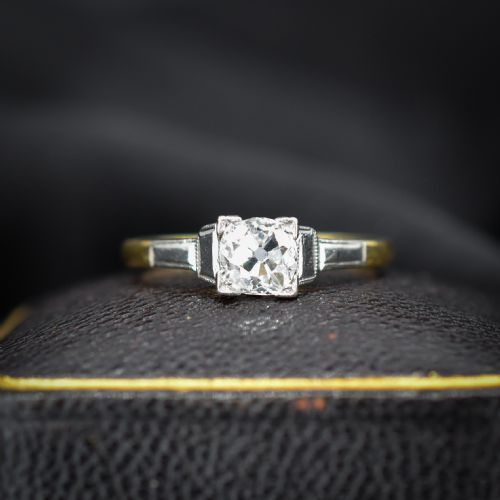



Antique Ring Mounting
An antique ring mounting provides the structural gold or platinum framework designed to hold precious stones securely in place.
Antique Ring Mounting
The pieces listed on this page encompass various eras ranging from the Victorian period through to the 1930s. These mountings frequently utilise durable precious metals designed to secure diamonds and sapphires.
How they were made
The evidence shows the prominent use of 18ct gold, yellow gold, and platinum to fabricate the structural bands and settings of these pieces. Metalworkers shaped these durable materials by hand to create secure housings for diamonds and sapphires.
Craftsmen utilised precious metals such as platinum alongside gold to ensure the structural integrity of intricate stone settings. This combination allowed for delicate claw and bezel formations that held gemstones firmly.
Antique Ring Mounting Retail Price Guide 2026
Typical asking prices for ring mounting among the pieces listed under this phrase on Sellingantiques today, from the lower quarter to the upper quarter. They describe what is for sale here now, not the wider market.
What varies in quality
Quality in an antique ring mounting rests upon the precision of the metalwork and the integration of the precious materials. Heavier gauges of 18ct gold and platinum provide superior structural longevity compared to lighter counterparts.
The finesse of the setting technique dictates the overall standard of the piece. Master jewellers achieved cleaner lines and more secure stone housings through careful manipulation of gold and platinum.
Ollivant & Botsford·William Bazeley & Sons·Joseph Lum
The Antique Ring Mounting Glossary
- Boat ring
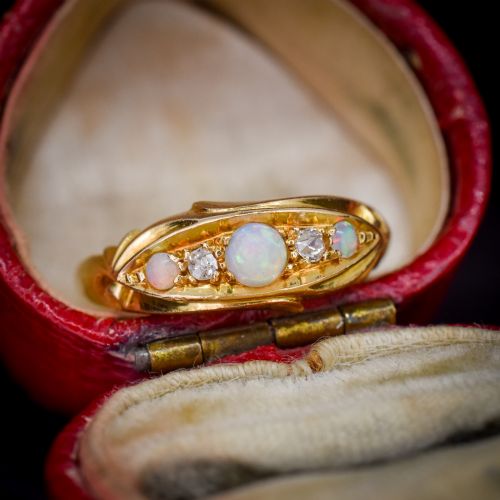
- A ring style featuring a curved, boat-shaped setting that typically holds a horizontal row of multiple gemstones. This design was particularly popular during the Georgian and Victorian periods.
- Solitaire
- A ring mounting designed to showcase a single prominent gemstone, such as a diamond. This setting style emphasises the central stone by using minimal metal prongs or a bezel.
- Platinum
- A dense, silvery-white precious metal utilised in fine jewellery manufacture for its strength and durability. It became widely used in Edwardian and Art Deco mountings to securely hold diamonds.
- 18ct gold
- An alloy consisting of 75 percent pure gold mixed with other metals to increase durability while maintaining a rich colour. It serves as a traditional material for fine antique ring mountings.
Antique Ring Mounting: Frequently Asked Questions
What is an antique ring mounting?
An antique ring mounting is the metal framework of a ring designed to hold gemstones securely. These pieces utilise precious metals like 18ct gold and platinum.
They reflect the design aesthetics of periods such as the Edwardian era and the 1930s, focusing on durable structures for stones.
Which metals were used for mountings?
Makers predominantly used 18ct yellow gold and platinum for mounting precious stones. Platinum provided the strength needed for delicate claw settings.
These materials ensured that stones like diamonds and sapphires remained firmly anchored within the gold band over decades of wear.
How do I identify the period?
Dating relies on stylistic clues, metal types, and hallmarks stamped into the gold or platinum band. Art Deco pieces display geometric lines, while Edwardian mountings often feature intricate platinum work.
Examining the construction methods helps distinguish Victorian examples from later 20th-century items.
Can I set a new stone?
Many antique ring mountings are robust enough to accommodate replacement or new gemstones if the structural metal remains sound. Jewellers assess the thickness of the gold or platinum claws before setting.
Original settings require careful handling by a skilled metalworker to preserve the integrity of the antique gold.