

Antique Regency Drawers
Antique regency drawers bring sophisticated storage into a room, combining restrained architectural lines with rich cabinet timbers.
Antique Regency Drawers
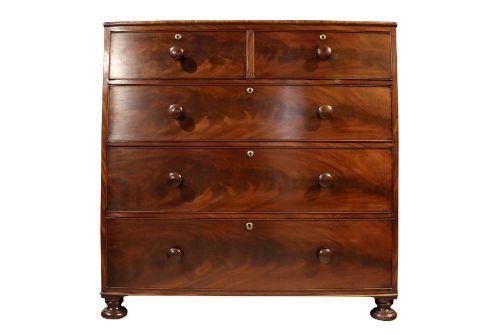
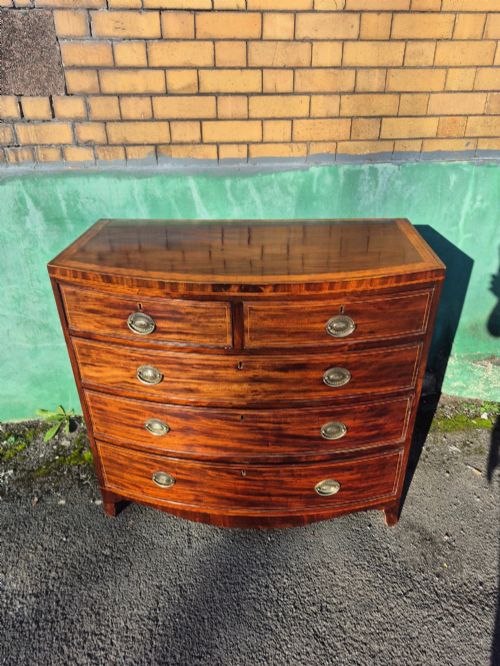
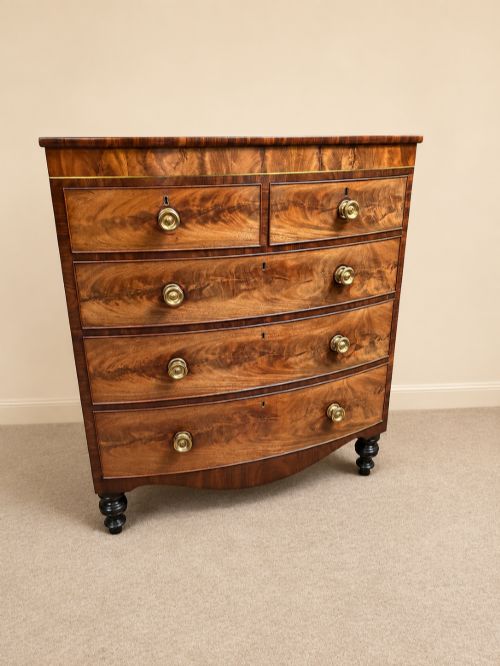
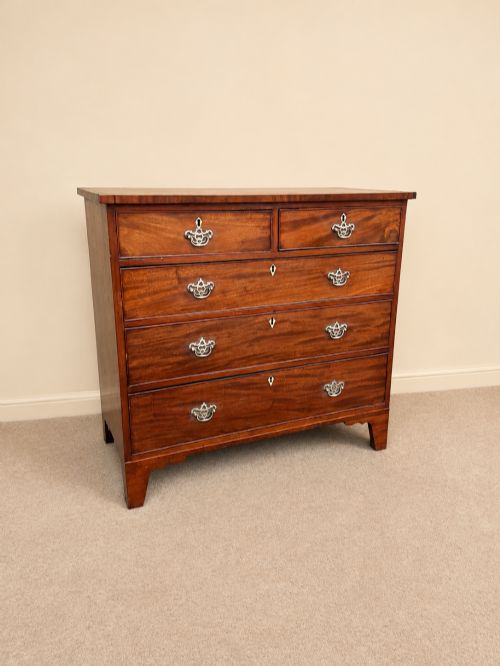
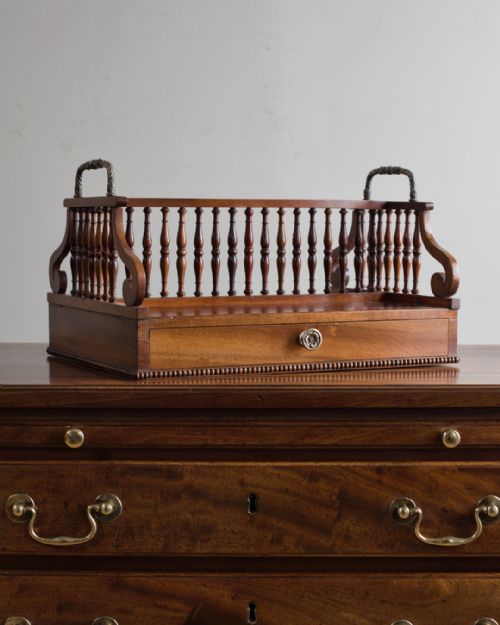
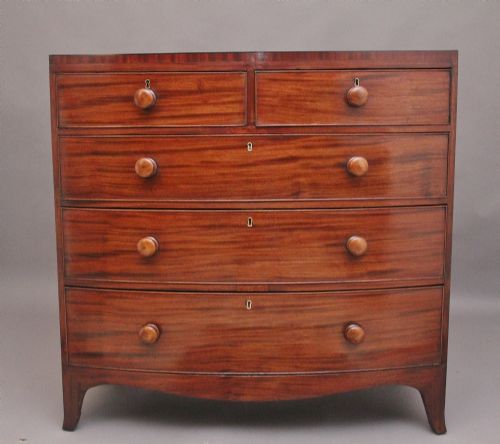
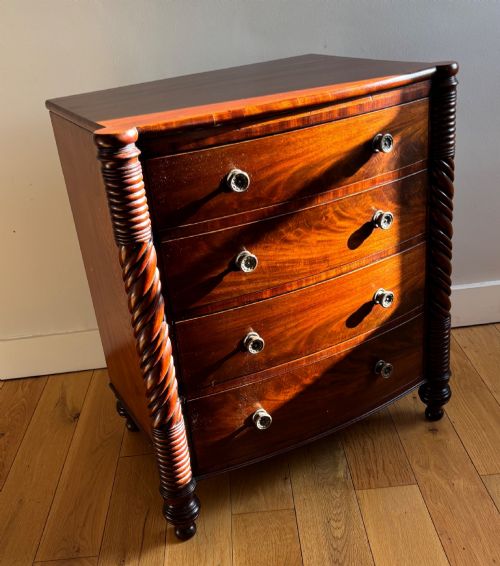
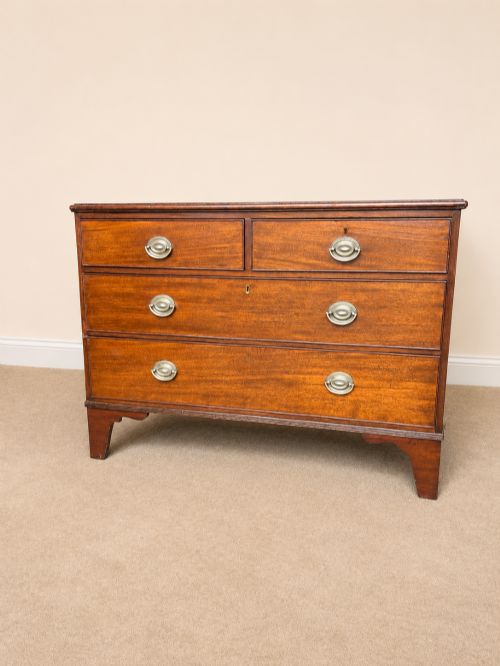
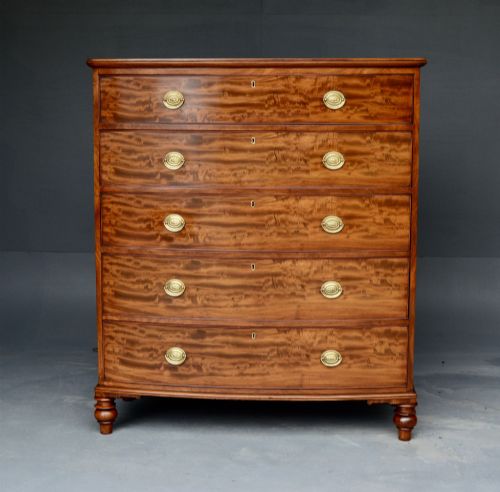
When searching for antique regency drawers, buyers encounter a range of functional storage furniture rooted primarily in the nineteenth century, Georgian eras, and Regency periods. The most common form on this page is the chest of drawers, frequently constructed with a distinctive bow front profile that softens the room's geometry.
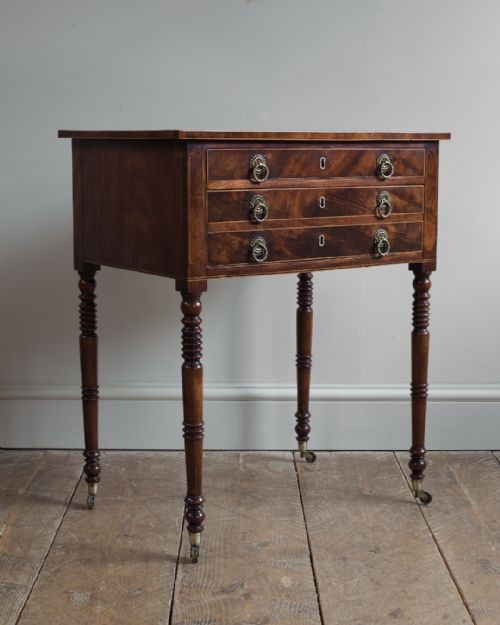
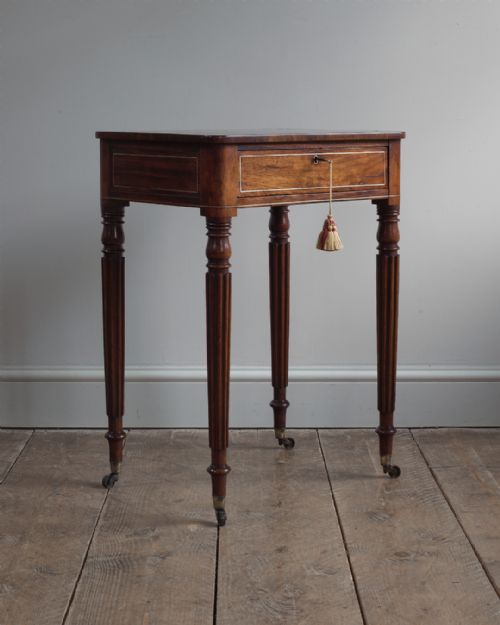
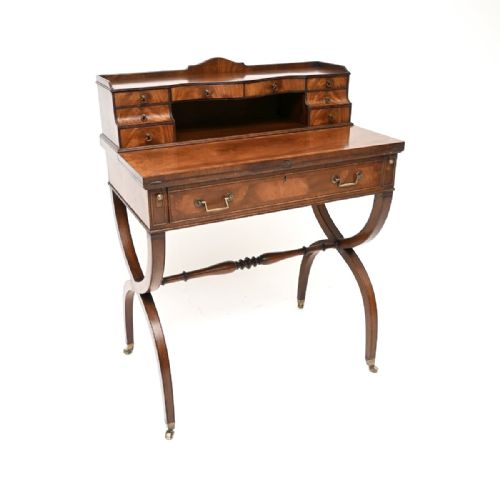
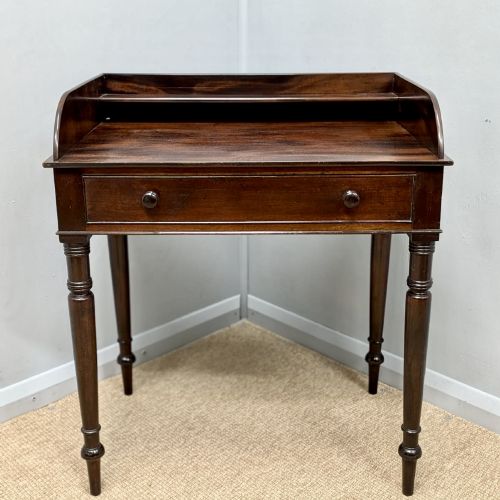
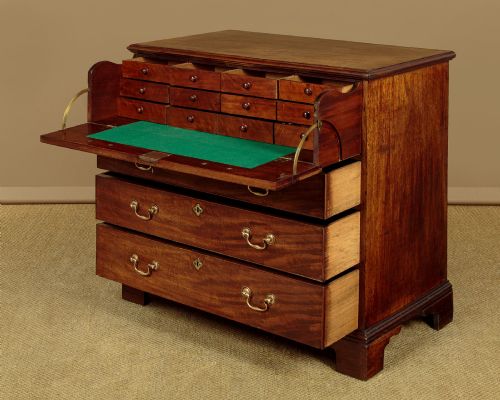
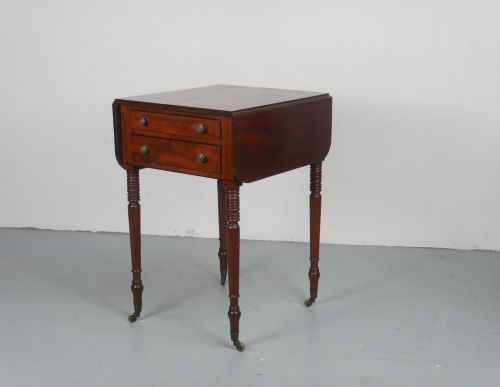
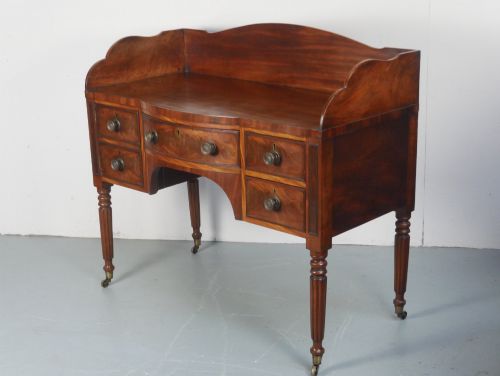
These pieces encompass various utilitarian formats, including side tables with integrated drawers, dedicated dressing tables, and taller tallboy chests alongside secretaire desks. While the Regency style dominates, items also span Georgian origins through to later Victorian interpretations and twentieth-century reproductions.
Timber selection defines the visual weight of these pieces, with mahogany appearing most frequently alongside rosewood, satinwood, and fruitwood. Smaller miniature chests and larger library pieces demonstrate the broad scale of domestic storage solutions produced during this era.
Materials and construction methods
Cabinet makers relied heavily on solid mahogany and rich veneers applied to secondary woods like pine, utilising the distinct grain patterns of flame mahogany to create visual depth on drawer fronts. Brass hardware, including drop handles and escutcheons, provides functional contrast against the dark timber surfaces.
Structural finesse shows in curved bow fronts and bracket feet, requiring precise woodworking joints to maintain stability across seasonal humidity changes. Secondary materials such as leather inserts for writing surfaces and occasional glass elements complete the utilitarian construction of these tables and desks.
Antique Regency Drawers Retail Price Guide 2026
Typical asking prices for regency drawers among the pieces listed under this phrase on Sellingantiques today, from the lower quarter to the upper quarter. They describe what is for sale here now, not the wider market.
Cabinet forms on this site range from miniature chests and side tables to tall library secretaires.
Distinctions in craftsmanship and condition
Superior examples reveal themselves through the tightness of the drawer dovetails, the uniformity of the timber grain across the front, and the retention of original brass fittings. Subtle details like cock-beading around drawer edges separate workshop pieces made with care from standard utility furniture.
Proportion and decorative restraint dictate the desirability of a piece, where restrained satinwood inlay or well-matched flame mahogany veneers elevate the overall presence without descending into excessive ornamentation.
Gillows
The Antique Regency Drawers Glossary
- Bow front
- A convex curved cabinet front that projects outward in the centre, popular in Regency chest design. This shape softens the corners of a room and requires advanced joinery.
- Secretaire
- A cabinet or chest incorporating a pull-down writing drawer fitted with small compartments and pigeonholes. It combines desk functionality with standard drawer storage.
- Whatnot
- An open set of tiered shelves supported by slender columns, sometimes featuring a drawer below. These items served for the display of ornaments or books.
- Cock-beading
- A narrow rounded moulding projecting around the edges of drawer fronts. It protects the drawer edges from impact and adds a neat linear finish.
- Davenport
- A compact writing desk featuring a sloping top and drawers opening to the side. Gillows established this form as a staple of Regency study furniture.
- Bracket foot
- A structural support projecting outward from the bottom corners of a chest. It elevates the carcase while offering clean architectural lines.
Antique Regency Drawers: Frequently Asked Questions
How do I identify a genuine Regency chest?
Authentic Regency pieces typically display characteristic timbers such as mahogany or rosewood, accompanied by period brass hardware and hand-cut dovetail joints on the drawer construction.
Examine the secondary woods inside the drawers and along the backboards to confirm age-appropriate materials and construction techniques consistent with nineteenth-century workshops.
Where should I place a side table with drawers?
These versatile tables fit naturally in hallways, living rooms, or bedrooms, providing convenient surface space alongside concealed storage for everyday items.
Their relatively shallow depth allows them to sit comfortably behind sofas or along narrow corridors without obstructing movement through the room.
How do I care for antique mahogany surfaces?
Maintain antique timber by dusting regularly with a soft, dry cloth and applying natural beeswax sparingly to nourish the grain without building up heavy residues.
Keep these pieces away from direct sunlight and sudden temperature shifts to prevent the wood veneers from drying out or cracking over time.