

Antique Refectory
An antique refectory table brings sturdy timber and centuries of domestic history straight into a modern dining room.
Antique Refectory
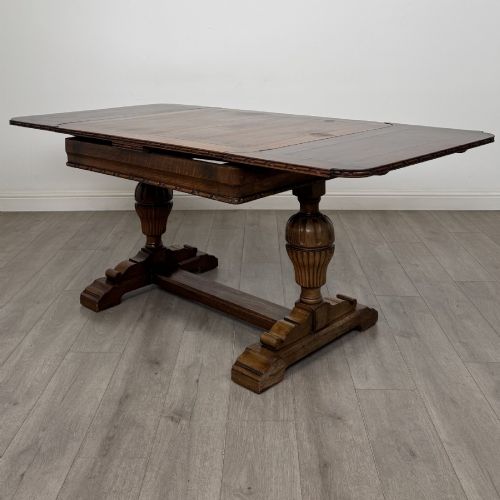
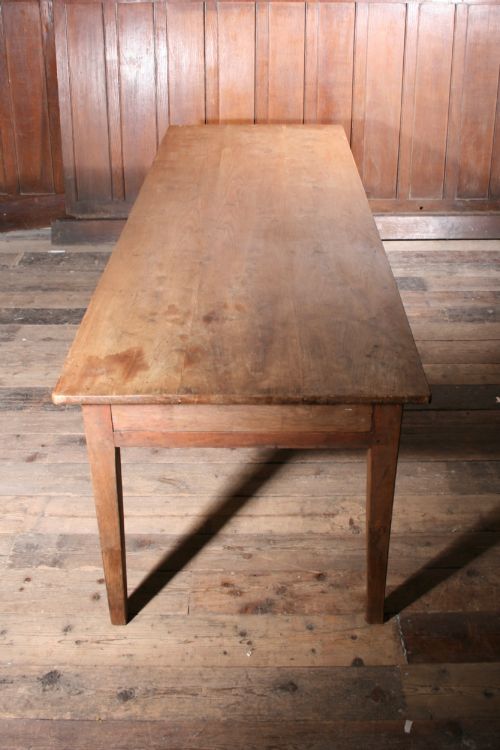
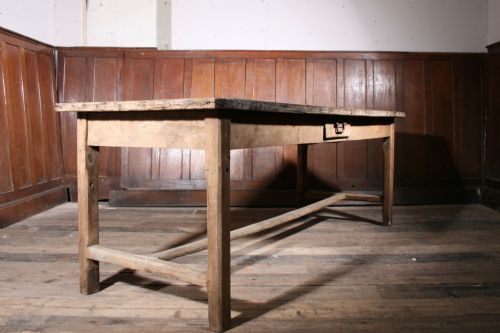
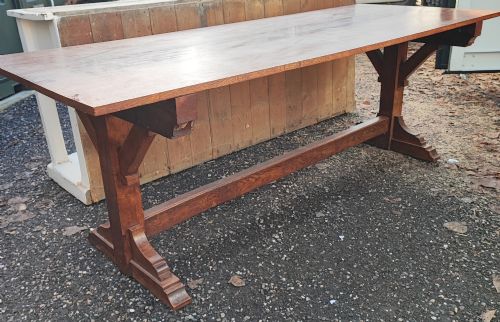
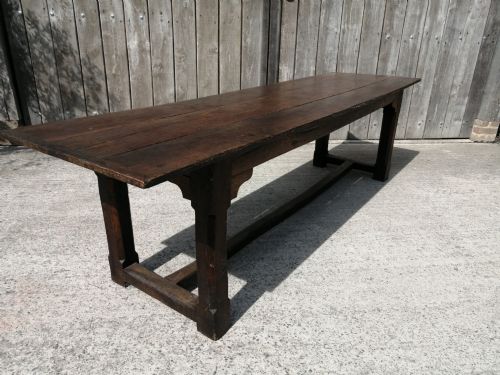
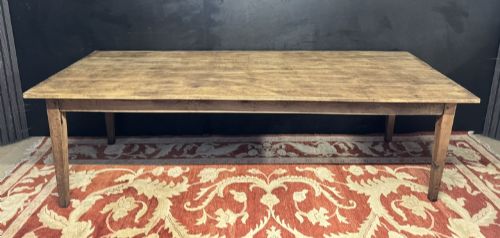
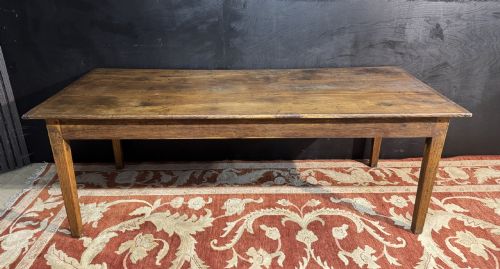
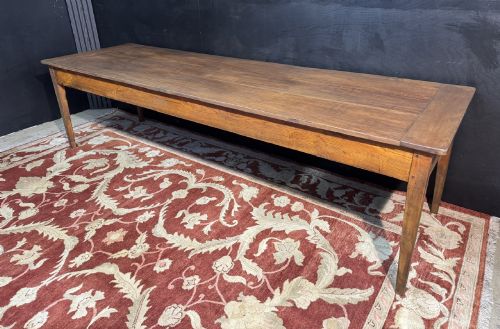
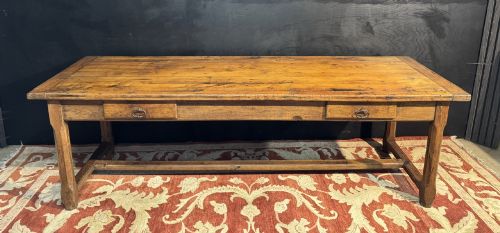
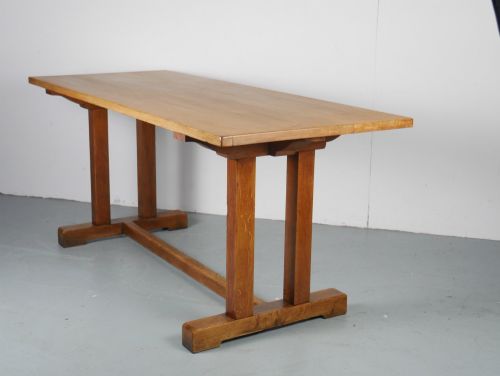
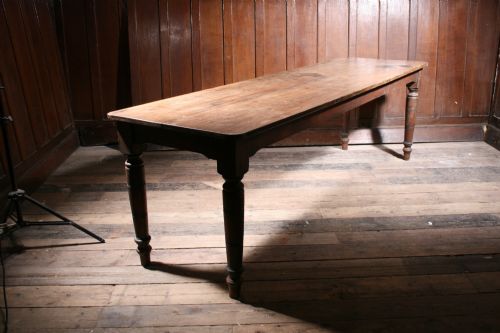
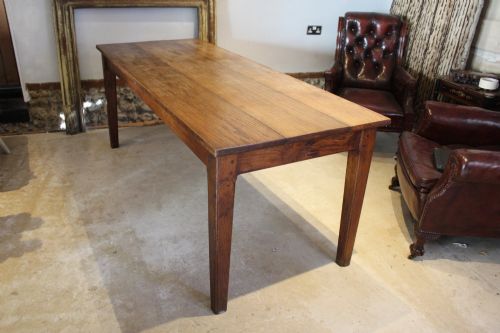
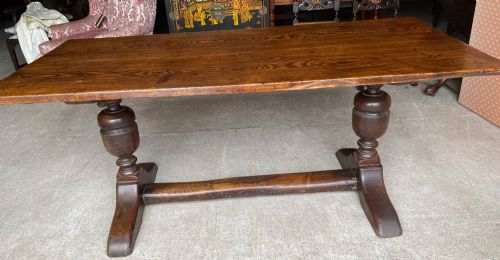
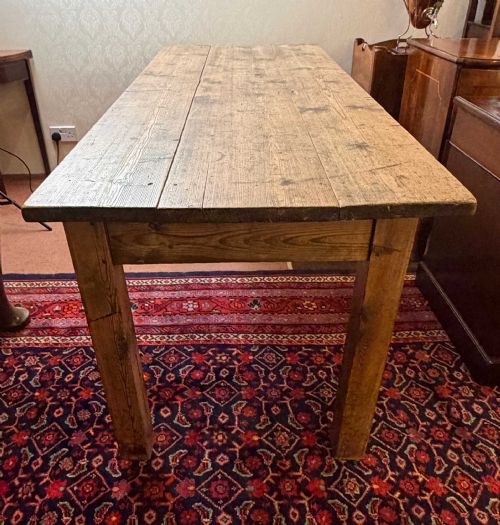
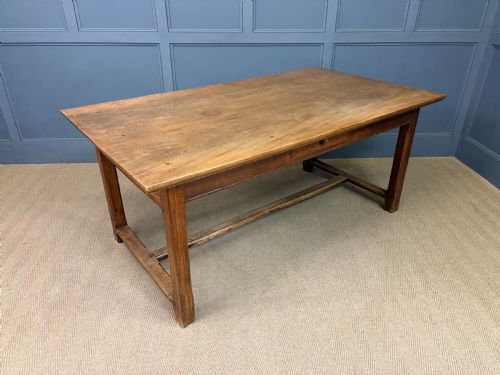
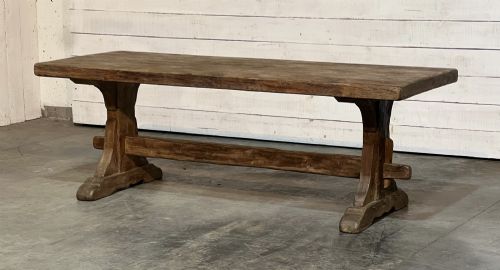
An antique refectory table is a long, narrow dining surface designed originally for communal meals in monastic or large domestic halls. These pieces appear in forms such as substantial oak dining tables, draw leaf variants, and simpler kitchen work tables.
The selections here span periods from the eighteenth century through the Edwardian era and the 1920s, drawing upon styles like rustic farmhouse, French provincial, and Jacobean revival.
Buyers meet examples shaped from heavy timber intended to seat large gatherings, often designated as eight seater dining tables or extensive kitchen prep surfaces.
Materials and construction
Carpenters built these tables using solid native hardwoods and softwoods, predominantly oak, fruitwood, elm, pine, and chestnut, supplemented by iron fittings for stability.
Joinery techniques relied heavily on thick planks - such as twin plank or single plank tabletops - joined securely to robust frames, occasionally featuring draw leaf mechanisms for extension.
Antique Refectory Retail Price Guide 2026
Typical asking prices for refectory among the pieces listed under this phrase on Sellingantiques today, from the lower quarter to the upper quarter. They describe what is for sale here now, not the wider market.
Listings feature oak, fruitwood, elm, and pine tables spanning the eighteenth century, the Victorian era, and the 1920s.
Distinctions in construction and finish
Quality rests in the integrity of the timber selection, separating dense, figured oak and mature fruitwood planks from softer, more utilitarian pine or altered surfaces.
The handling of the original wood grain, whether left in a natural state or subjected to historic bleaching, defines the visual weight and finish authenticity of each table.
Heals of London·Jack Grimble
The Antique Refectory Glossary
- Refectory table
- A long, narrow dining table historically used for communal dining in large institutions or country houses. They remain popular today for their generous seating capacity.
- Twin plank
- A tabletop constructed from two distinct boards joined lengthways. This construction method was common when trees of sufficient width were scarce.
- Draw leaf
- An extension mechanism where auxiliary leaves store beneath the main top and pull out to lengthen the table. This allows the surface area to adapt for guests.
- Jacobean revival
- A nineteenth and twentieth century design style mimicking seventeenth century English furniture. It often incorporates dark oak, carved ornamentation, and heavy turned legs.
- Farmhouse table
- A practical, unpretentious wooden table built for daily domestic kitchen use. These pieces typically display hard-wearing tops and sturdy rectangular frames.
Antique Refectory: Frequently Asked Questions
How do I seat eight people at these tables?
The narrow proportions and lengthy spans of these boards naturally allow chairs to line up along both long sides without crowding.
Draw leaf mechanisms or extra long single planks provide the necessary legroom and surface length for larger dinner parties.
Are these tables suitable for everyday kitchen use?
Hardwood tops made from oak, elm, or fruitwood withstand daily family meals and active food preparation without difficulty.
Historic wood surfaces simply acquire a deeper patina over time when exposed to regular household activity.
How do I identify an eighteenth century oak table?
Early pieces display distinct tool marks, pegged joinery, and heavy timber shrinkage consistent with manual sawing methods.
Examining the underside reveals hand-carved framing and timber ageing that modern reproductions cannot replicate.
Can I fit benches instead of dining chairs?
Matching wooden benches slide neatly underneath the narrow frames when not in use to save floor space.
Historical pairings, such as an oak table sold alongside fitted benches, demonstrate this traditional seating arrangement.