
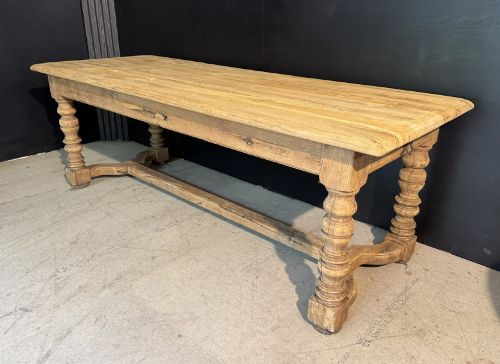
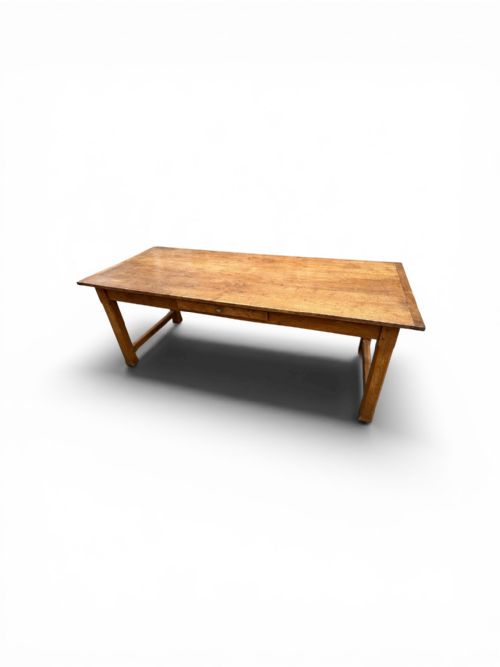

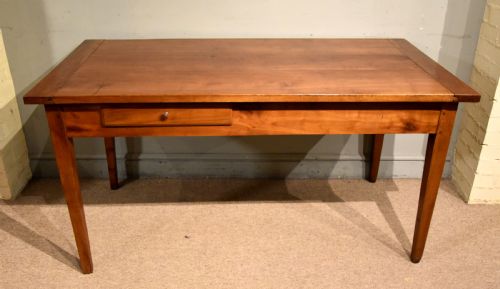
Antique Refectory Table Drawer
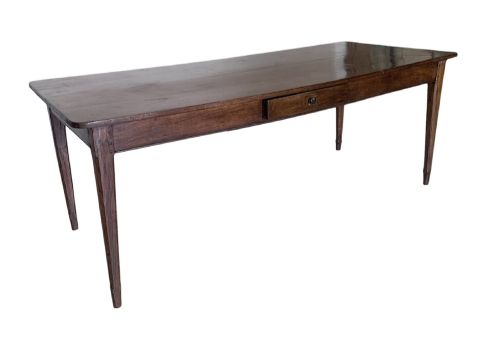
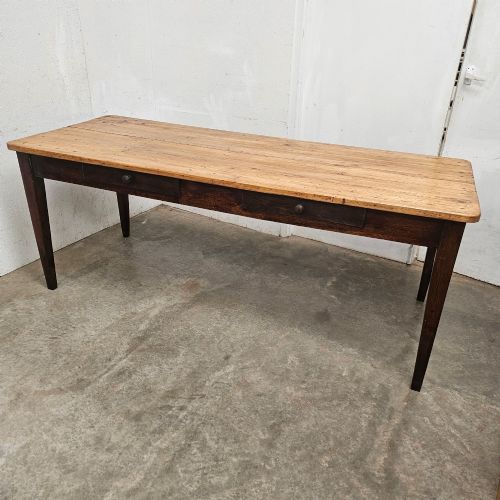
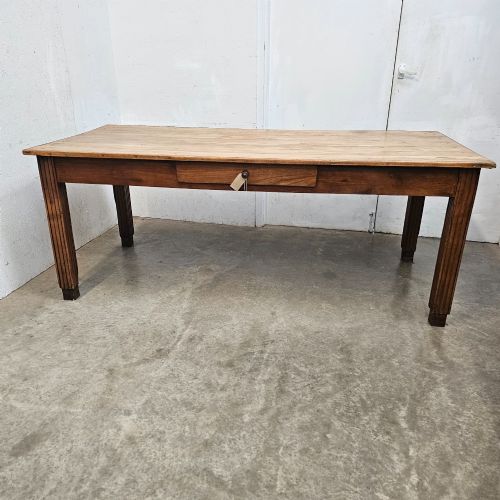
An antique refectory table drawer provides practical storage tucked beneath the timber surface of large dining and kitchen boards.
Antique Refectory Table Drawer
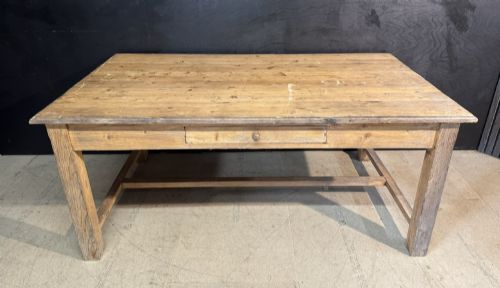
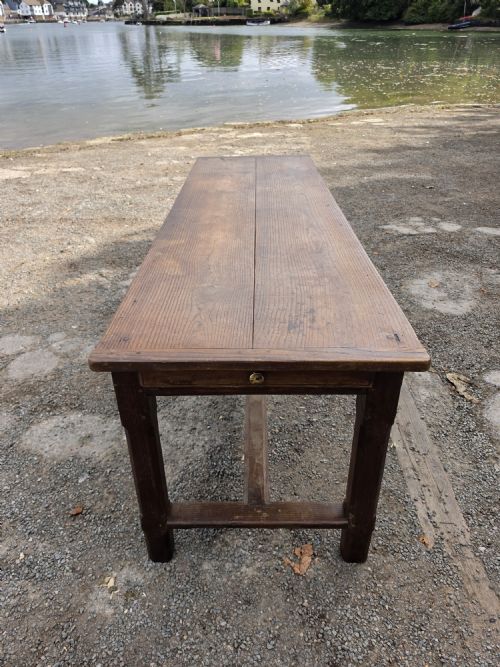
When searching for an antique refectory table drawer, buyers encounter heavy timber dining boards and kitchen tables designed for communal use. These items originate predominantly from the nineteenth century and the early twentieth century, spanning French provincial origins to English country house styles.
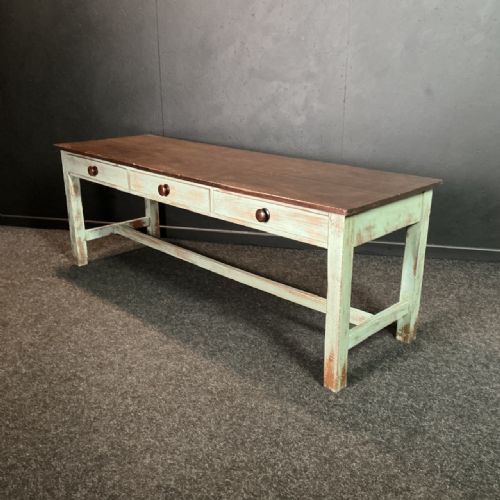
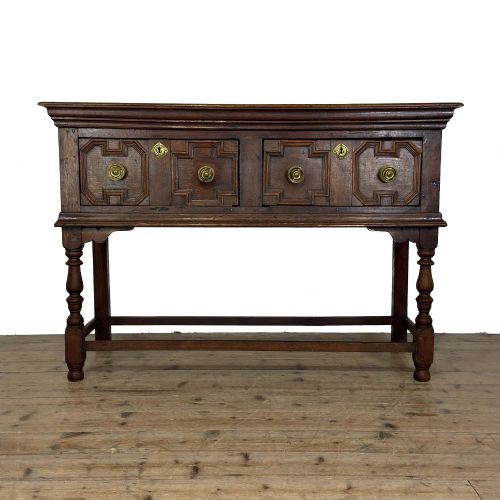
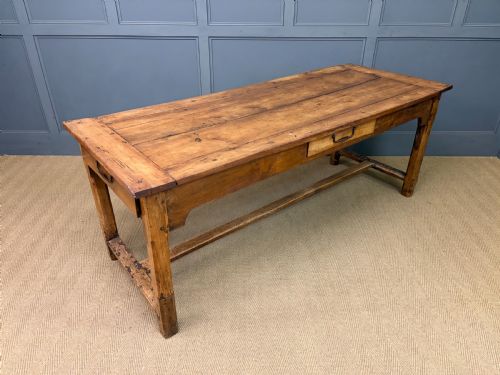
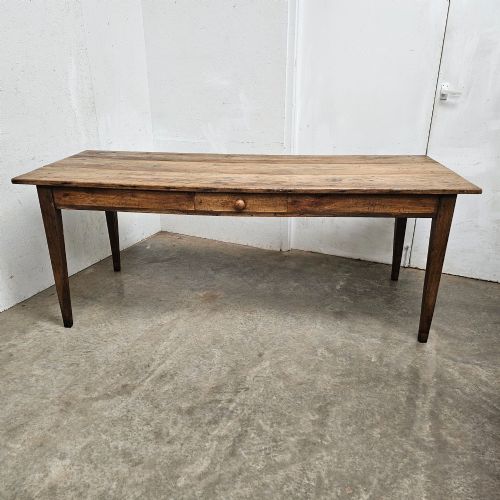
The pieces listed on this page incorporate functional storage compartments built directly into the aprons of refectory tables, farmhouse tables, and dresser bases. Oak, fruitwood, and pine form the primary framework of these items, often accompanied by utilitarian iron or brass pulls.
How they were made
Joinery relied on solid regional timbers such as oak, fruitwood, cherrywood, and pine, selected for density and local availability. Craftsmen constructed the table frames to support heavy daily use, integrating side and end drawers with traditional joints.
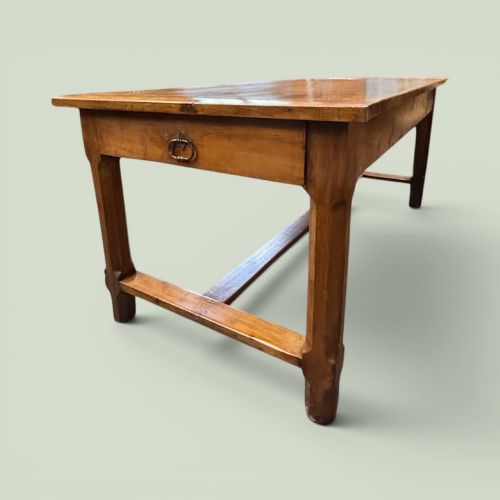
Hardware consists of simple iron or brass handles fitted to single, double, or multi-drawer configurations. Structural support frequently includes end stretchers, while certain regional examples feature sliding bread boards alongside the main drawer compartment.
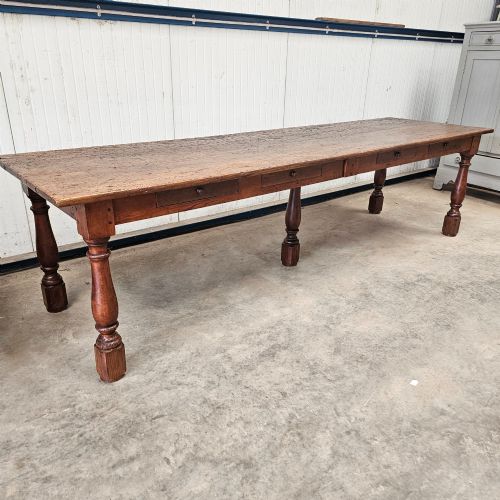
One exceptional dining board crams eight separate drawers into its three-metre frame, ensuring nobody ever loses the cutlery.
What varies in quality
The calibre of timber selection and the integrity of the drawer construction dictate the standard of the piece. Scrubbed tops and rich patination on woods like cherry and oak distinguish superior examples from plain utility boards.
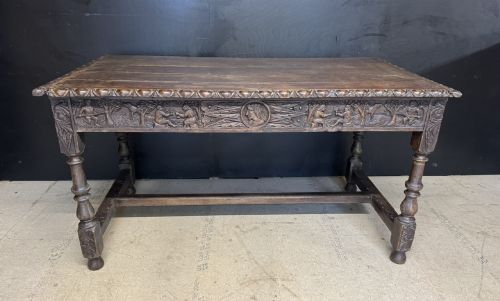
Proportion and regional style influence the character of the table, from simple pine versions to elaborately carved Jacobean revival designs. The smoothness of the drawer action within its wooden channel indicates the original standard of craftsmanship.
The Antique Refectory Table Drawer Glossary
- Refectory table
- A long, narrow dining table traditionally used in monastic refectories and later adapted for domestic farmhouse dining. These forms provide substantial surface area and frequently incorporate under-table storage.
- Bread slide
- A pull-out wooden board integrated beneath the tabletop, historically utilised for slicing bread or expanding workspace. This feature appears commonly on regional French tables.
- Dresser base
- A lower cabinet or table structure featuring surface boards and integrated drawers, used for food preparation and storage. They share construction techniques with large dining tables.
- End stretcher
- A horizontal timber rail connecting the legs near the floor to provide structural rigidity. This component strengthens long tables against lateral movement.
- Fruitwood
- Dense timber harvested from fruit-bearing trees such as cherry, pear, or apple, prized for its smooth grain and warm tone. It sees frequent use in French provincial furniture.
Antique Refectory Table Drawer: Frequently Asked Questions
What is an antique refectory table drawer?
An antique refectory table drawer is a built-in compartment housed within the apron of a large wooden dining or kitchen table. These compartments were historically used to store cutlery, linens, or daily kitchen implements.
The inventory shows these drawers integrated into nineteenth-century oak, pine, and fruitwood tables originating from rural French and English workshops.
How were these drawers constructed?
Makers constructed these drawers using traditional hardwood or softwood joinery, fitting them snugly beneath the scrubbed or polished topboards. The drawer fronts often feature simple iron or brass pulls.
Surviving examples demonstrate hand-cut dovetails and timber channels that allow the drawer to slide smoothly despite decades of use.
How do I maintain an old wooden table drawer?
Maintain the timber by keeping it away from direct heat sources and sudden humidity changes that cause wood to warp. Avoid harsh chemical cleaners and treat the surface with traditional wax.
Applying occasional natural wax preserves the patination on woods like oak, cherry, and fruitwood while keeping the drawer runners operating correctly.
How can I tell the period of a table?
Dating relies on examining the tool marks, timber species, and overall construction style of the frame and drawer. Nineteenth-century examples often display hand-sawn elements and regional French or English characteristics.
Earlier pieces from the seventeenth century show heavier walnut construction, whereas twentieth-century items reflect simpler revival styles or institutional origins.
Where were these tables used originally?
These large boards served as the central workspace and dining surface in farmhouses, monasteries, and large country houses. The integrated drawer kept essential tools close at hand during food preparation.
Today, they transition easily into modern kitchens and dining rooms as practical gathering spaces with hidden storage.