





Antique Reading Magnifier
An antique reading magnifier brings fine detail into focus while serving as a handsome desk accessory.
Antique Reading Magnifier
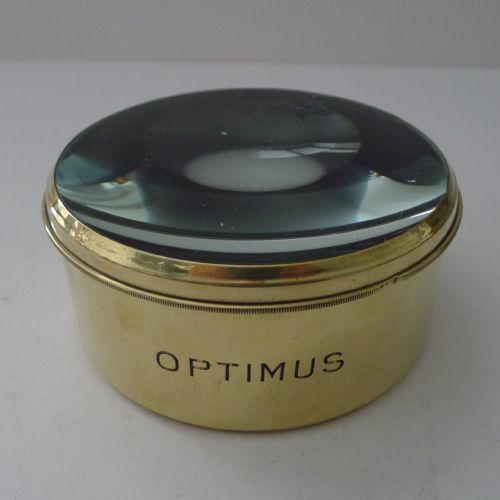
An antique reading magnifier is a functional tool designed for studying small print, maps, and objects, originating from periods such as the Victorian era, the Edwardian period, and the Art Deco movement. These pieces frequently double as paperweights and library aids, sitting atop desks or resting within fitted cases.
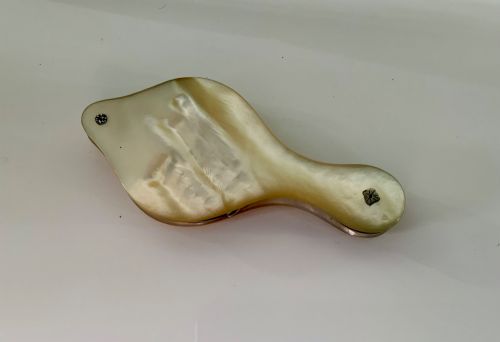
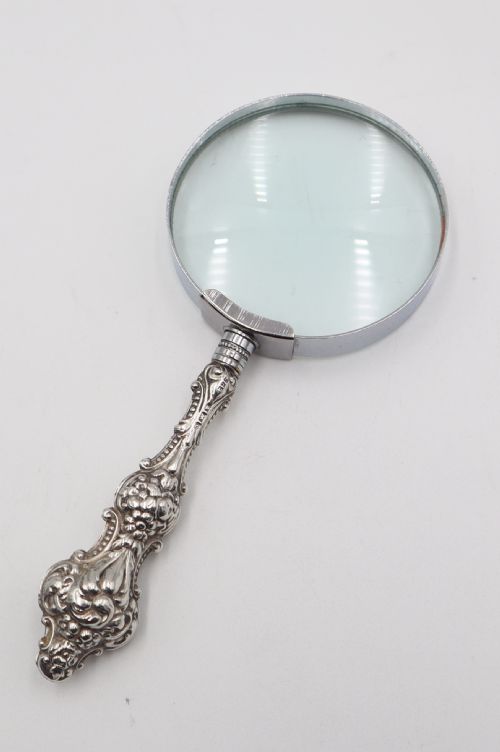
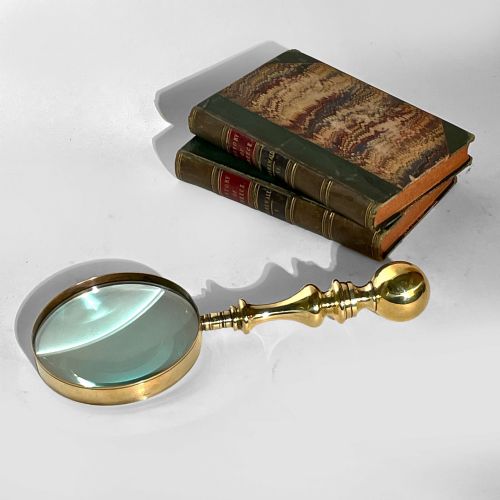
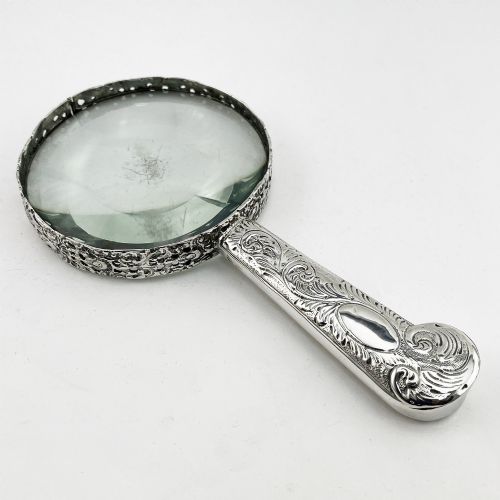
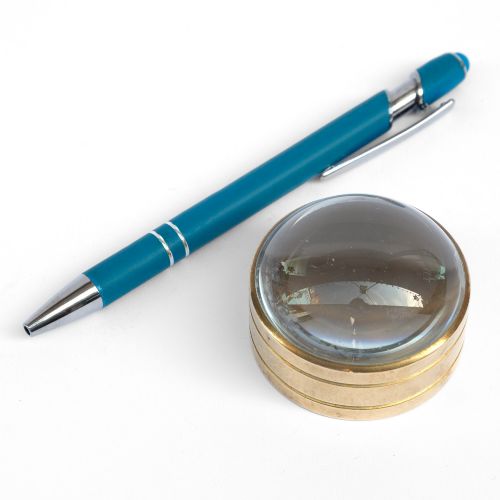
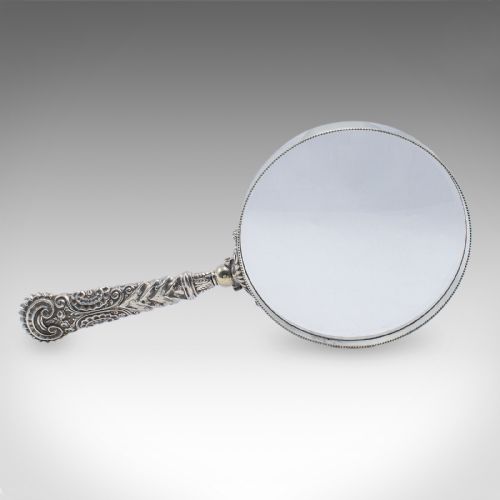
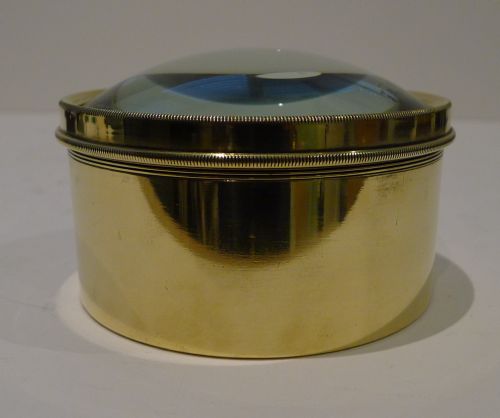
The most common examples on this page are handheld magnifying glasses and desk-top lenses fashioned from brass or sterling silver. Buyers also encounter specialised library items incorporating folding mechanisms, pivoting stands, and exotic materials like shagreen and jade.
Materials and construction
Makers utilised durable metals including brass, sterling silver, and silver plate to form handles, rims, and mounting stands. Glass lenses provide the optical magnification, housed securely within these metal mounts.
Decorative pieces often incorporate organic and luxury textures such as shagreen, jade, enamel, and rosewood. Detailed work is visible in engraved silver handles, guilloché enamel finishes, and specialised pivoting frames.
Antique Reading Magnifier Retail Price Guide 2026
Typical asking prices for reading magnifier among the pieces listed under this phrase on Sellingantiques today, from the lower quarter to the upper quarter. They describe what is for sale here now, not the wider market.
Several magnifying glasses on this page double as equestrian tributes, featuring handles shaped like horse heads.
Assessing quality and craftsmanship
Quality rests upon the clarity of the optical glass and the solidity of the mounting materials. Heavy brass stands, substantial sterling silver handles, and unblemished lenses represent superior manufacturing.
Artistry in auxiliary materials also separates standard items from exceptional ones. Fine execution shows in smooth pivoting joints, genuine shagreen coverings, and precise guilloché enamel work.
Hermes Paris·Broadway And Co·Mappin And Webb·Asprey·CW Dixey London
The Antique Reading Magnifier Glossary
- Guilloché enamel
- A decorative technique involving intricate mechanical engraving beneath a translucent layer of coloured enamel. This finish frequently appears on Art Deco pieces.
- Shagreen
- Untanned skin with a granular surface, often dyed and used to cover small luxury items and handles. It provides a distinct tactile grip.
- Sterling silver
- An alloy consisting of silver and other metals, traditionally copper, standard for high-grade domestic silver items. Many British magnifying glasses bear hallmarks for this material.
- Bullseye lens
- A thick, rounded magnifying lens designed to gather and focus light or provide high magnification. These are common in desk-top models.
- Hallmark
- An official stamp applied by an assay office to indicate the purity of precious metals. British pieces often display city marks and date letters.
Antique Reading Magnifier: Frequently Asked Questions
How do I use an antique reading magnifier today?
These pieces function precisely as they did originally, serving to enlarge small print in books or examine fine details on documents.
Place desk-top versions directly onto papers to use them as functional paperweights while you read.
How should I clean a silver magnifying glass handle?
Use a soft microfibre cloth designed for precious metals to gently remove tarnish without touching the glass lens.
Avoid abrasive polishes that might scratch delicate enamel or organic materials like shagreen.
Are these magnifiers suitable for daily desk use?
Solid brass and sterling silver models are robust enough for regular handling during reading and writing tasks.
Pieces featuring delicate guilloché enamel or antique shagreen benefit from more careful, occasional handling.
How do I tell an Edwardian magnifier from a Victorian one?
Victorian examples often feature heavier cast silver or ornate floral embossing typical of the nineteenth century.
Edwardian and Art Deco pieces tend to show cleaner lines, geometric enamelling, or the influence of the Arts and Crafts movement.