



Antique Pub Barware
These antique pub barware pieces bring historic British drinking culture straight to your counter with genuine period character.
Antique Pub Barware
When you search for antique pub barware, you encounter functional items originating from traditional British public houses and commercial establishments. The selection spans utilitarian vessels designed for daily tavern service alongside prominent advertising pieces created to promote specific brands.
Most examples you meet on this page date from the Victorian and Edwardian periods, stretching from the mid-nineteenth century into the early twentieth century. These items include spirit dispensers, decanters, tankards, barrels, and large advertising displays.
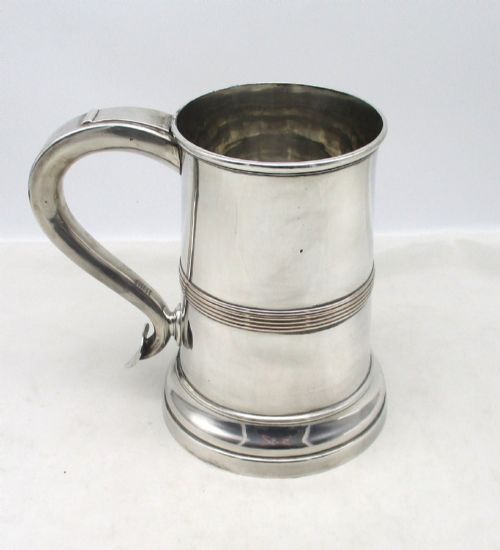
Forms range from bell-shaped tankards and cut glass gin dispensers to oak sherry barrels and branded glass fountains. Each piece reflects the practical demands of historic hospitality trades and the commercial branding of the era.
Materials and construction
Glass forms a central component of this category, appearing as clear glass, heavy cut glass, and enamelled vessels bearing regional Scottish whisky names and brewery titles. Skilled makers utilised mould-blowing, cutting, and enamelling techniques to produce durable serviceware that could withstand heavy public house use.
Antique Pub Barware Retail Price Guide 2026
Typical asking prices for pub barware among the pieces listed under this phrase on Sellingantiques today, from the lower quarter to the upper quarter. They describe what is for sale here now, not the wider market.
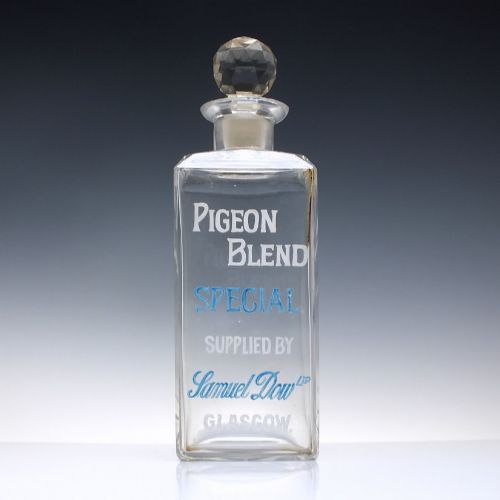
Several decanters proudly bear the specific names of nineteenth-century Scottish whisky blends like Pigeon Blend and Cattos Vosh.
Markers of quality
Quality in these drinking vessels rests upon the crispness of moulded or cut glass details and the legibility of fired enamel lettering on branded decanters and dispensers. Superior pieces retain their original mounting hardware, metal taps, or stoppers without replacement parts.
The sophistication of the commercial branding, such as detailed brewery attribution or named regional whisky blends, separates standard utilitarian vessels from highly decorative display items. Solid construction in heavy-gauge metal or dense oak indicates commercial-grade production intended for heavy tavern service.
The Antique Pub Barware Glossary
- Old Sheffield Plate
- A composite material made by fusing a thin sheet of silver to a copper base, utilised in high-quality tableware and tankards before electroplating became common.
- Spirit Dispenser
- A countertop vessel featuring a tap mechanism designed for the rapid and measured pouring of spirits in commercial hospitality settings.
- Tantalus
- A locking wooden frame holding decanters securely to prevent unauthorized access to the contents while displaying the bottles through glass panels.
- Enamel
- A vitreous substance fused to the surface of glass or metal through high-temperature firing, used to apply durable lettering and decoration to advertising pieces.
Antique Pub Barware: Frequently Asked Questions
What is antique pub barware?
Antique pub barware encompasses functional and decorative items used in British drinking establishments during the nineteenth and early twentieth centuries.
These pieces include glass spirit dispensers, ceramic or glass decanters, metal tankards, and branded advertising displays.
How were spirit dispensers used?
Spirit dispensers sat on the counter or bar top to allow publicans to serve gin, whisky, or brandy quickly to customers.
They often connected to gravity-fed taps or stood alongside branded water fountains and casks.
How do I date these pieces?
Dating relies on stylistic clues, manufacturing techniques, and specific maker or brewery attributions marked on the glass or metal.
Victorian pieces frequently display cut glass patterns and enamel lettering, while Edwardian examples introduce secure locking frames like tantaluses.
Can I use these items today?
Many glass decanters, tankards, and wooden barrels remain structurally robust enough for functional display and serving in home bar settings.
Careful handling is recommended to preserve original enamel work, gilding, and antique plating.