
Antique Pottery
When you search for antique pottery, you encounter centuries of fired earth, from English creamware to Chinese porcelain.
Antique Pottery
Antique pottery encompasses a vast range of fired clay objects designed for display, storage, and daily use. When exploring these listings, you encounter items stretching from the seventeenth century through to the early twentieth century.
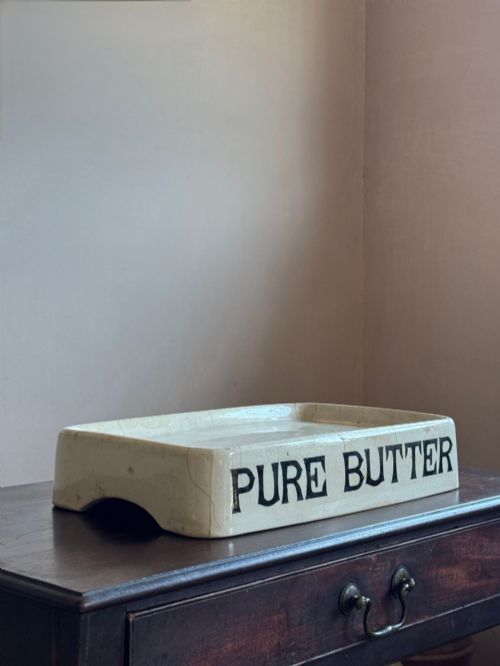
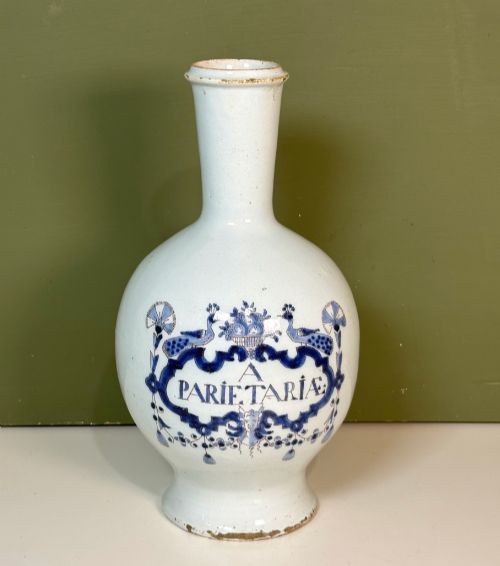
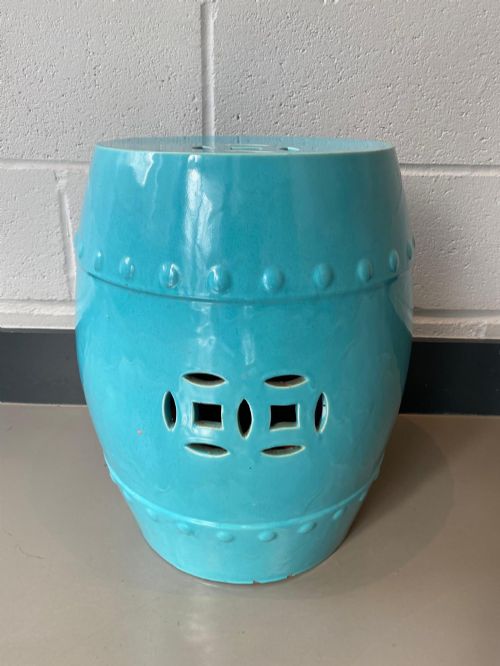
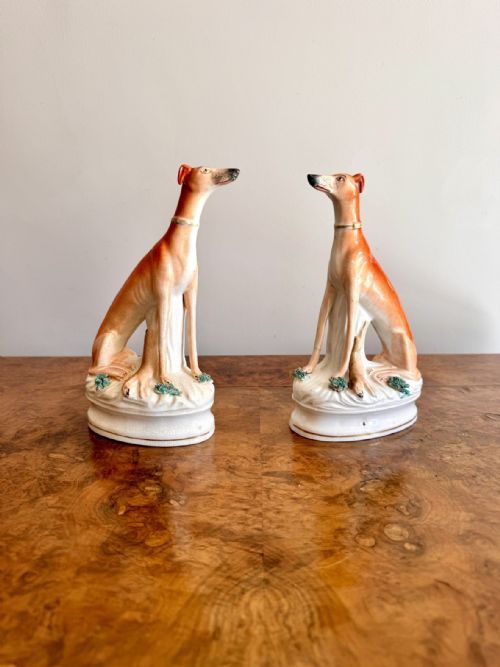
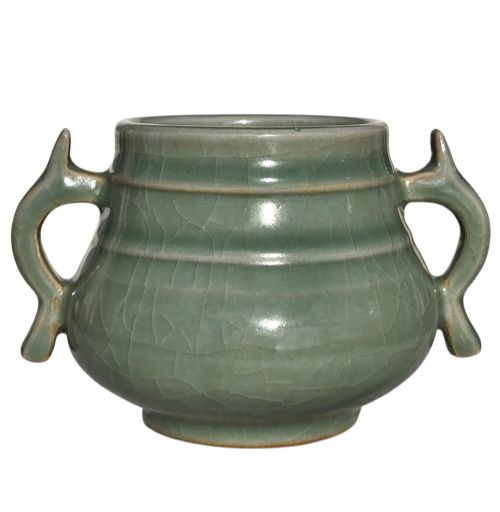
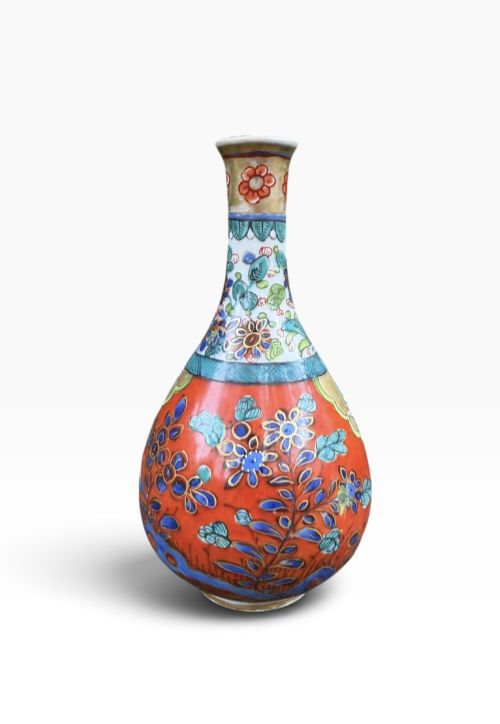
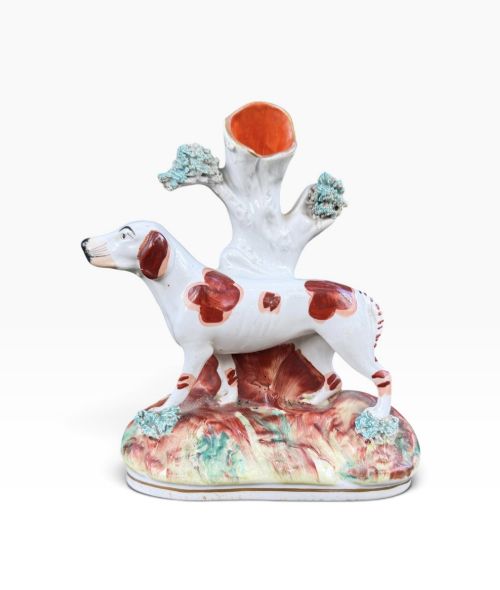
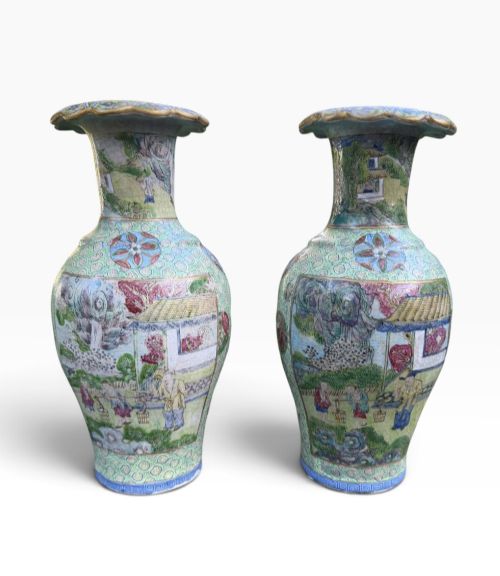
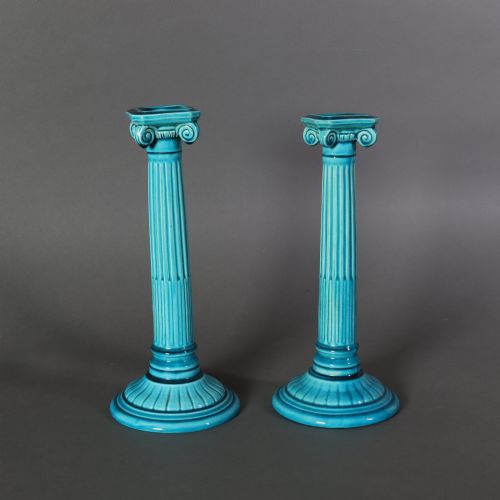
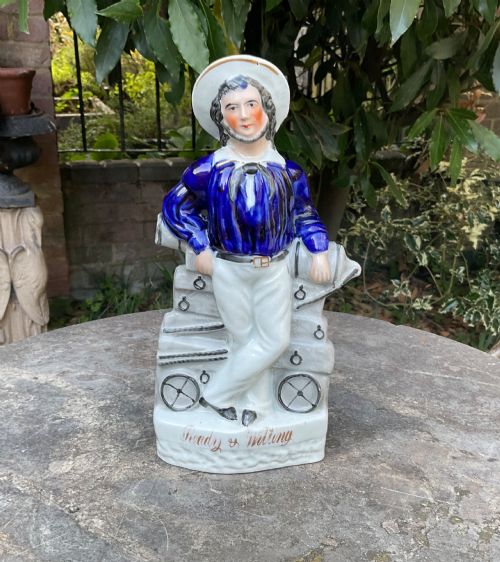
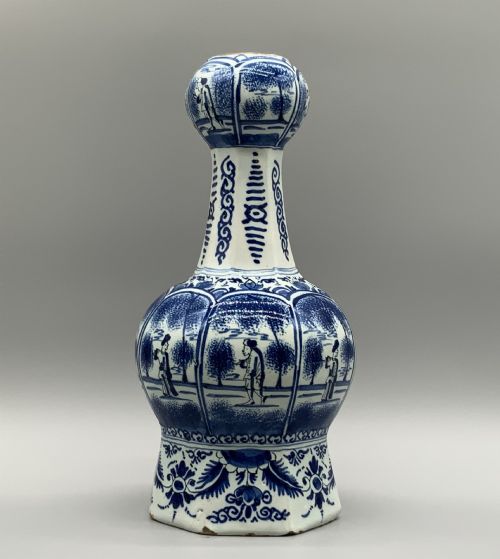
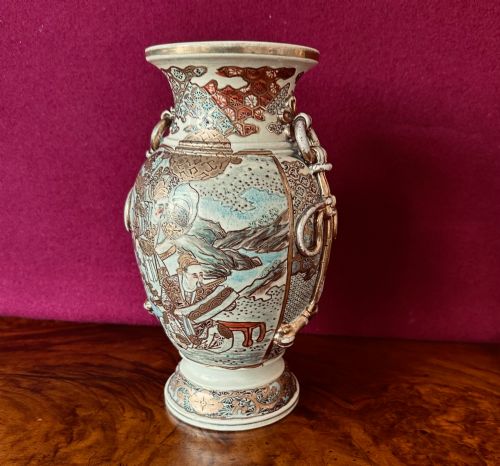
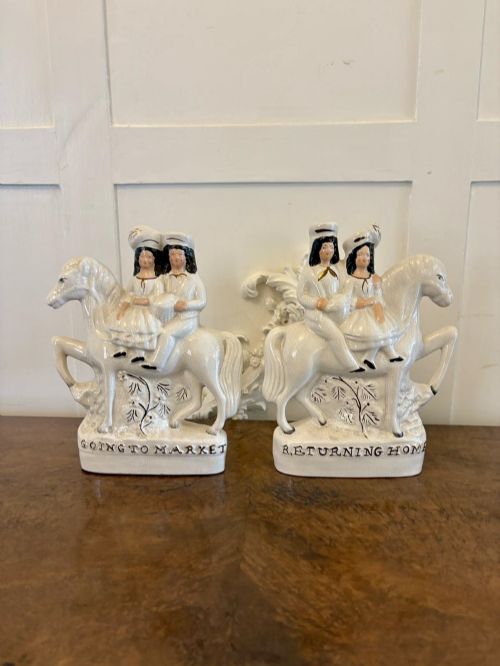
Vases, figures, bowls, and plates dominate the selection, crossing European and Asian traditions. English Staffordshire figures and Dutch Delft vases appear alongside Japanese Satsuma and Chinese export porcelain.
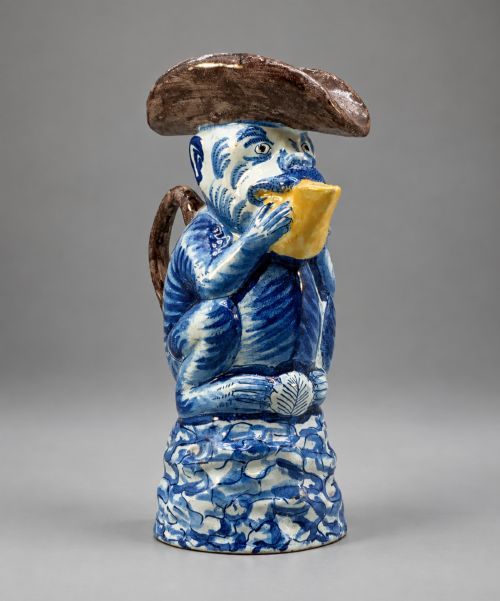
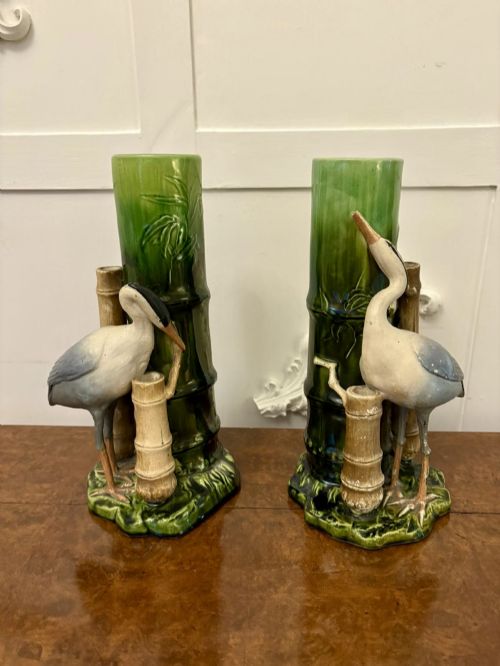
The objects take many forms, including spill vases, cache-pots, and decorative jugs. Each piece reflects the specific domestic or export market for which it was originally made.
Materials and production methods
Makers utilised earthenware, stoneware, and porcelain as the foundational bodies for their pieces. Earthenware required lower firing temperatures and often received lead glaze or tin enamel to create an opaque surface for painting.
Stoneware offered a denser, vitreous body capable of holding liquids without porous leakage. Porcelain provided a white, translucent canvas for delicate underglaze blue and vibrant overglaze enamel decoration.
Decoration involved hand painting, transfer printing, and applied relief modelling. Workshops employed lead glazes, salt glazes, and gold leaf highlights to finish the surfaces before final kiln firings.
Distinctions in quality
The fineness of the potting and the control shown in the kiln separate standard utility wares from exceptional collector pieces. Precision in the brushwork and depth of the glaze reveal the skill of the individual workshop.
Surviving condition and the crispness of moulded details dictate desirability among serious buyers. Pieces that retain their original enamel colours and metallic gilding without excessive rubbing command greater attention.
Thomas Parr factory·Burmantofts Faience·Pieter Verburg·John Dwight Fulham Pottery·William Smith And Co
The Antique Pottery Glossary
- Creamware
- A refined fine earthenware developed in Yorkshire and Staffordshire during the eighteenth century, known for its pale buttery tone. Leeds Pottery produced notable examples of this lightweight tableware.
- Faience
- European tin-glazed earthenware, often produced in imitation of imported Chinese blue and white porcelain. Dutch potteries in Delft mastered this technique during the seventeenth century.
- Majolica
- A colourful Victorian lead-glazed earthenware fired with opaque tin enamels to achieve vivid botanical and figurative hues. Minton popularised this vibrant ware during the mid-nineteenth century.
- Stoneware
- A robust, impervious ceramic fired at high temperatures until the clay body vitrifies. Fulham potteries utilised this durable material for utilitarian bottles and jugs.
- Transferware
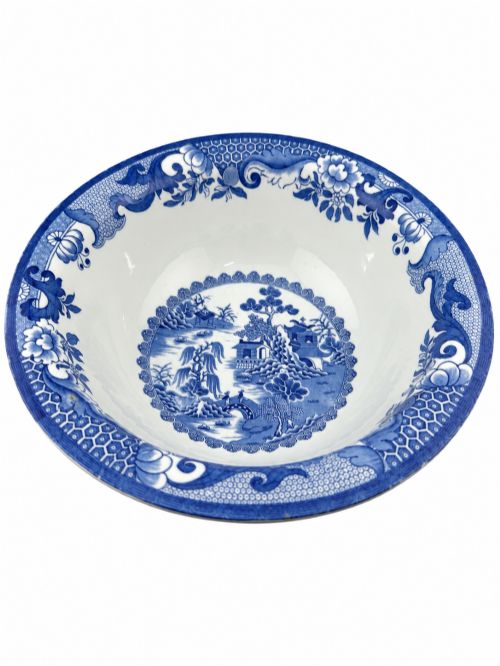
- Pottery decorated by applying a monochrome ink design from an engraved copper plate onto tissue paper, which was then transferred onto the biscuited clay. This mechanised process revolutionised nineteenth-century table ceramics.
Antique Pottery: Frequently Asked Questions
What is antique pottery made from?
These pieces are formed from clay bodies that range from porous earthenware and dense stoneware to hard-paste porcelain. Makers shaped the material by hand, on the potter's wheel, or within moulds.
Surface finishes include transparent lead glazes, opaque tin enamels, and salt glazes. Artisans then applied pigments, enamels, and sometimes gold leaf before firing the items in kilns.
How do I care for antique pottery?
Keep these fragile items away from direct sunlight to prevent the fading of painted enamels and gilt highlights. Dust them gently with a soft, dry cloth rather than using chemical cleaners.
Avoid immersing older earthenware in water, as moisture can penetrate porous bodies through hairline cracks in the glaze. Display them on stable surfaces away from high-traffic areas.
How can I date antique pottery?
Examine the base of the piece for factory marks, impressed ciphers, or handwritten signatures left by the workshop. Stylistic clues such as floral motifs, shape profiles, and glaze types also help anchor objects to specific decades.
Compare the potting technique and wear patterns with documented examples from known periods like the Georgian or Victorian eras. Documentation from previous sales or family provenance often provides additional historical context.
What is the difference between earthenware and porcelain?
Earthenware is fired at lower temperatures, resulting in a porous ceramic body that requires a glaze to hold liquids. It forms the base for traditional Staffordshire figures and Delft tin-glazed vessels.
Porcelain is composed of fine materials like kaolin fired at extremely high heat until the body becomes vitrified and translucent. This dense white ceramic forms the foundation for delicate Chinese export wares and nineteenth-century cabinet vases.