




Antique Pottery Table Lamps
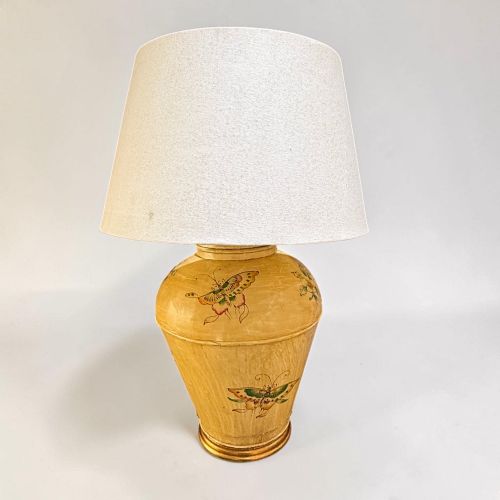
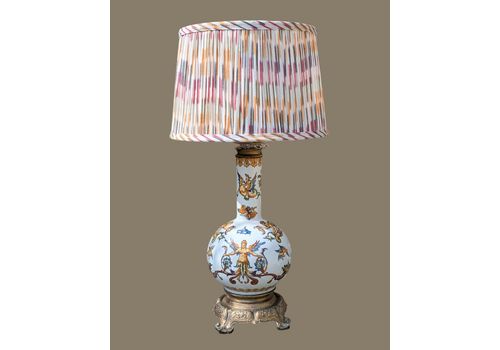
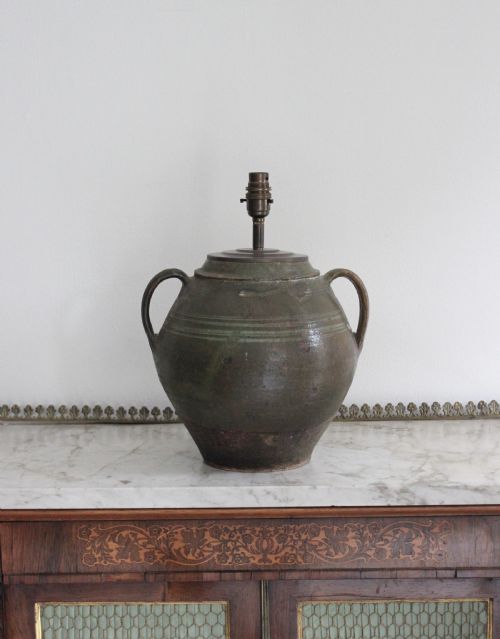
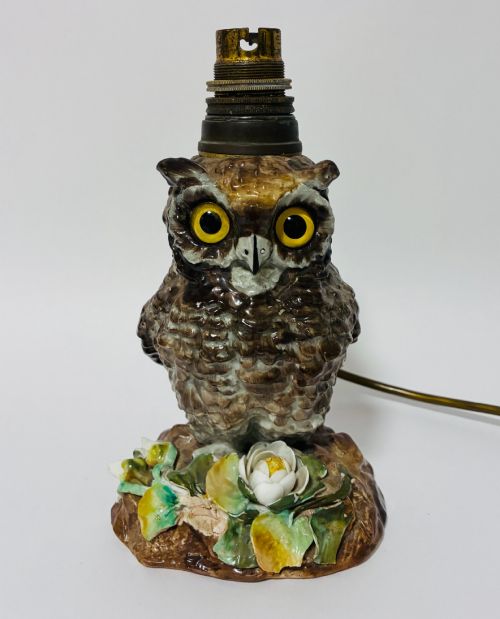
Antique pottery table lamps bring heavy ceramic presence and historic glaze to a room, turning old vessels into working lights.
Antique Pottery Table Lamps
When you search for antique pottery table lamps, you look at ceramic, earthenware, and porcelain vessels that have been converted to hold electrical fittings. These pieces originate from various periods including the eighteenth, nineteenth, and early twentieth centuries, spanning styles from Victorian revival to Art Deco.
You are most likely to meet Chinese ginger jars, Japanese Satsuma and Kutani vases, and European Delftware turned into lamps on this page. Many retain their original form as vases, tobacco jars, or wall veilleuses before receiving their lamp conversion.
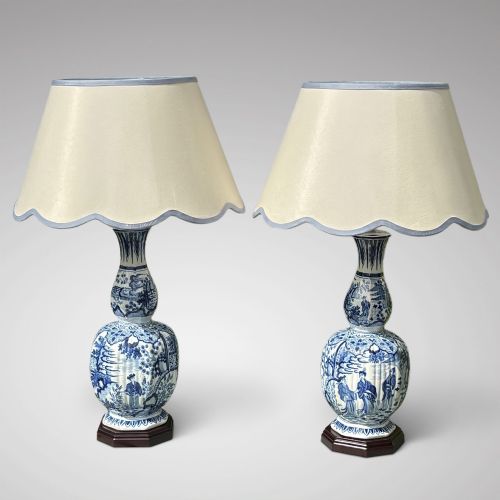
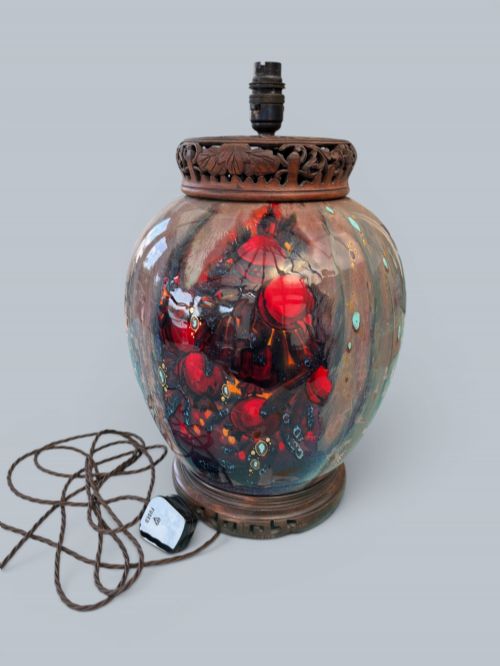
The selection includes both single statement pieces and matched pairs, often mounted on brass or gilt bases to support their new function. The pottery body remains the focal point, whether finished in cobalt blue, celadon, majolica, or hand-painted faience.
Materials and conversion techniques
Pottery bodies form the core of these lamps, utilising ceramic, earthenware, porcelain, and faience shaped by hand or wheel before firing. Makers applied tin glazes, cobalt pigments, and enamel overglazes to achieve deep colours and intricate pictorial scenes.
Metal components such as brass bases and modern wiring assemblies were added during conversion to elevate the ceramic vessel into a functional table lamp. Fabric and silk shades often complete the assembly, paired with gilt or wooden mountings.
Antique Pottery Table Lamps Retail Price Guide 2026
Typical asking prices for pottery table lamps among the pieces listed under this phrase on Sellingantiques today, from the lower quarter to the upper quarter. They describe what is for sale here now, not the wider market.
Materials span ceramic, earthenware, porcelain, faience, brass, and silk, with Dutch Delftware and Chinese ginger jars frequently represented.
Assessing quality in ceramic lamps
The distinction between ordinary and superior lamps rests on the quality of the original ceramic vessel and the fidelity of its hand-painted decoration. Finer pieces display crisp cobalt brushwork, intricate crackleware textures, or deep polychrome enamel details applied during periods like Meiji or the eighteenth century.
Quality also depends on the sensitivity of the conversion process, where brass mounts and gilt bases complement the pottery rather than overwhelm it. The preservation of the glaze and the structural integrity of the ceramic body separate better examples from heavier adaptations.
Moorcroft·Burmantofts Faience·Royal Doulton·Samuel Alcock
The Antique Pottery Table Lamps Glossary
- Faience
- Tin-glazed earthenware decorated with opaque colours over a white background. This technique appears across various European and Art Deco pieces on the page.
- Majolica
- A type of earthenware coated with an opaque tin glaze and painted with brightly coloured metal oxides. Italian examples from the nineteenth century frequently employ this rich glaze style.
- Veilleuse
- A small French night light or food warmer adapted into a lamp base. These ceramic pieces often feature pierced covers and decorative figural modelling.
- Satsuma
- Japanese pottery characterised by a crackled, ivory-coloured earthenware glaze decorated with polychrome enamels and gilt. These vases are commonly converted into table lamps.
- Ginger jar
- A wide-mouthed storage jar of Chinese origin that frequently serves as the body for a table lamp. They often feature blue and white or famille rose decoration.
Antique Pottery Table Lamps: Frequently Asked Questions
Are these lamps converted from old vases?
Many pieces started life as decorative vases, ginger jars, or tobacco containers before being fitted with electrical components and lampshades. The original ceramic vessels retain their historic character despite the later conversion.
Makers often selected sturdy oriental or European pottery bodies for their visual weight and decorative appeal, making them ideal candidates for domestic lighting.
How do I identify Japanese Satsuma lamps?
Japanese Satsuma pieces typically show an ivory-coloured earthenware body covered in a fine network of crackled glaze. They feature detailed hand-painted designs in enamel colours and raised gold.
These Satsuma vases range from nineteenth-century examples to later twentieth-century pieces, often mounted on wooden or metal bases to function as lamps.
What periods do these ceramic lamps come from?
The listings include pieces spanning from the eighteenth century through the Victorian era up to the 1930s. Art Deco designs sit alongside eighteenth-century Delftware and nineteenth-century Chinese ginger jars.
Each period brings distinct stylistic choices, from Renaissance Revival motifs to the clean lines of early twentieth-century faience.
Do pottery table lamps come in pairs?
Several listings feature matched pairs of lamps, particularly among nineteenth-century Delft blue and white vessels and Japanese Satsuma or Kutani vases. Single statement lamps also appear frequently across the selection.
Pairs usually share identical pottery forms, glaze colours, and hand-painted motifs, though their lamp hardware may reflect modern wiring standards.