




Antique Poster Art
Antique poster art captures a century of advertising, travel, and entertainment on paper, offering bold graphics that transform a room.
Antique Poster Art
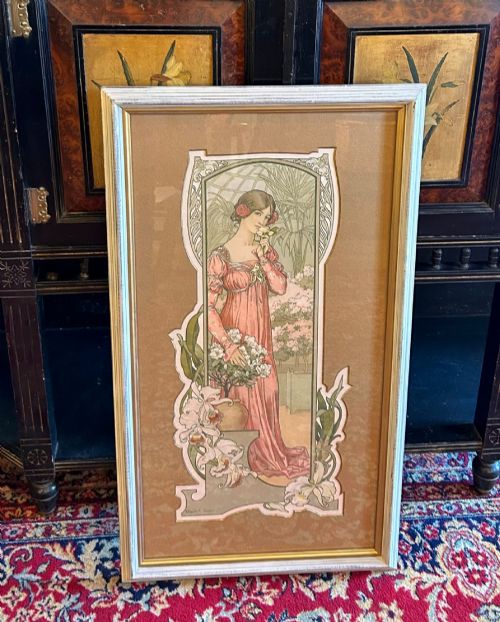
Antique poster art encompasses printed wall works produced for advertising, transport, theatre, and public information from the nineteenth and twentieth centuries. These pieces record the commercial and cultural shifts of their respective decades, transitioning from Victorian chromolithography to Art Nouveau lines and twentieth-century modernist graphics.
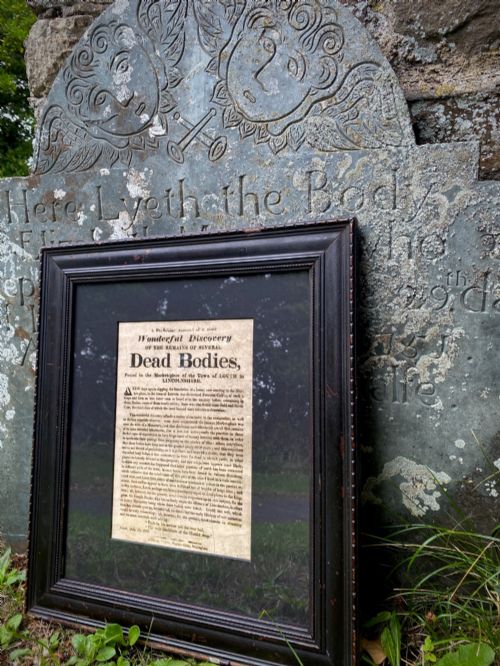
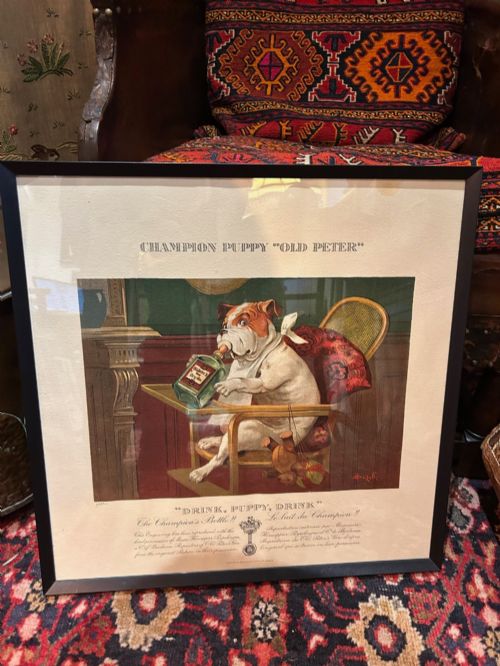
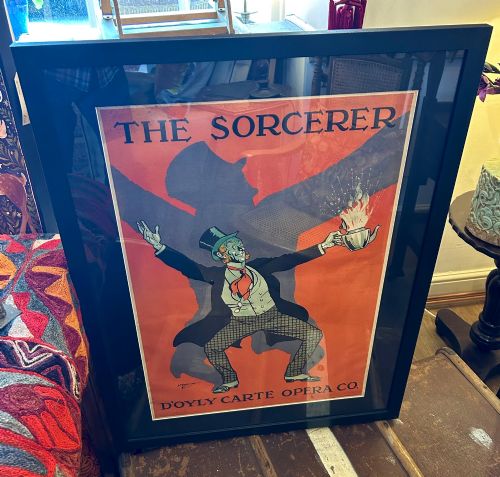
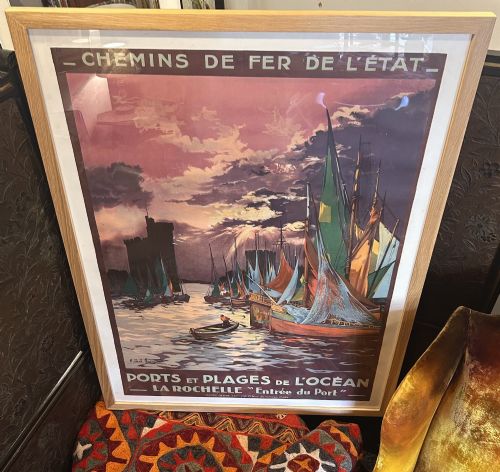
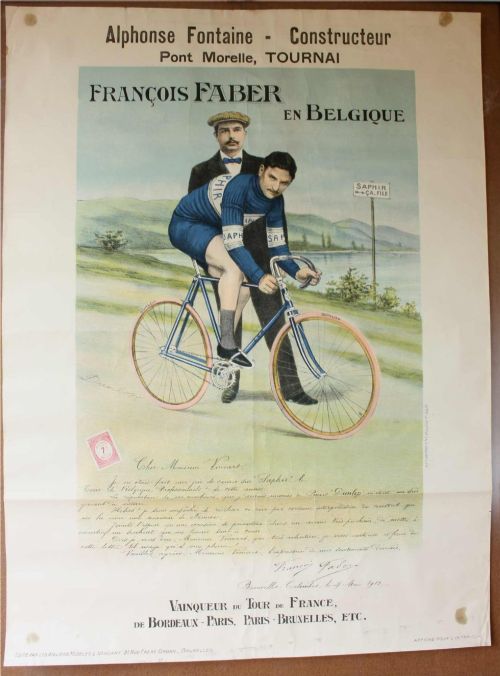
The selections available range from French railway advertisements and cycling promotions to theatrical notices and sports events. Buyers most frequently encounter paper works framed under glass, though specific examples survive on canvas or mounted with wooden battens.
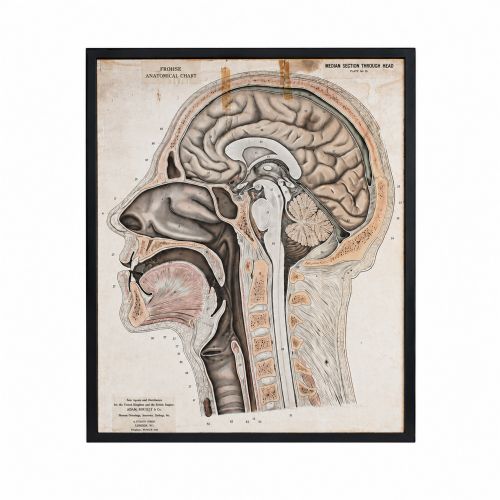
Origins stretch across British, French, and international print shops, capturing everything from sports car promotions to educational anatomical charts. Each piece serves as a surviving fragment of public display material, rescued from hoardings and shop walls to find a place in domestic interiors.
Materials and Technique
Paper forms the primary support for these works, carrying layers of ink applied through lithographic printing, gouache, or hand-drawn illustration. Lithography allowed printmakers to build vibrant chromatic compositions across large sheets intended for public display.
Many survivors are secured behind glass within wooden or metal frames, protecting fragile paper from environmental wear. Gold leaf and ink highlight specific details on select signs, while heavier canvas supports underpin larger works intended for robust circulation.
Antique Poster Art Retail Price Guide 2026
Typical asking prices for poster art among the pieces listed under this phrase on Sellingantiques today, from the lower quarter to the upper quarter. They describe what is for sale here now, not the wider market.
Current listings feature paper, wood, glass, ink, gold leaf, oak, metal, and canvas across periods spanning the Victorian era through the 1950s.
Factors of Quality
The distinction between ordinary prints and exceptional pieces lies in the strength of the graphic design and the reputation of the artist or printer. Works associated with named illustrators or significant sporting, theatrical, and automotive subjects command greater attention from collectors.
Condition and originality dictate the standing of any individual piece within its category. Examples retaining their full margins, vibrant unblemished inks, and period framing sit at the upper end of the scale compared to heavily restored or trimmed items.
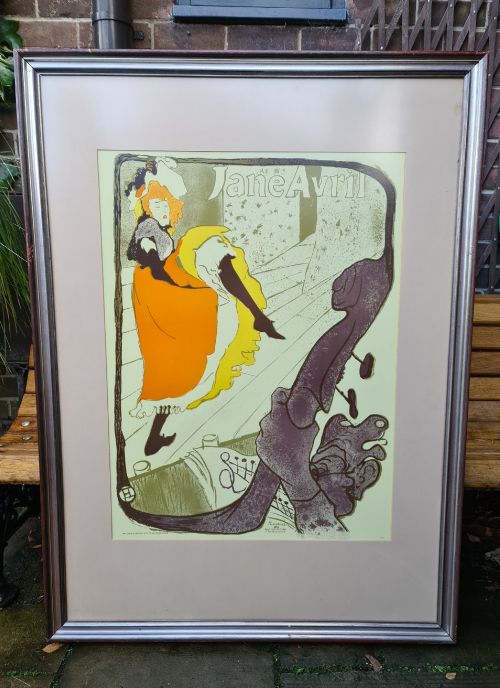
Adam Rouilly·Elisabeth Sonrel·Marcellin Auzolle·Francois Faber·Toulouse Lautrec·W and A K Johnston
The Antique Poster Art Glossary
- Lithograph
- A print produced by a printing process on a flat stone or metal plate, allowing ink to adhere only to designated areas. This method enabled the mass production of detailed, multicoloured images.
- Chromolithography
- A planographic printing technique that uses multiple stones or plates to apply different ink colours successively. The result is a rich, painterly surface capable of mimicking fine art.
- Gouache
- An opaque water-based paint composed of pigment and binding agent. Artists used this medium for original poster designs and gouache paintings prior to commercial printing.
- Framed print
- A paper image protected behind glass and enclosed within a wooden or metal border. This presentation safeguards delicate paper from dust and atmospheric moisture.
- Wall art
- Decorative visual work intended for display on interior surfaces. This grouping includes posters, prints, and oil paintings.
Antique Poster Art: Frequently Asked Questions
How do I hang antique poster art?
Secure heavy framed pieces directly into wall studs using appropriate picture hooks. Keep them away from direct sunlight to prevent the ink colours from fading.
Ensure glazed frames have stable backing boards and hanging wire rated to support the overall weight of the wood and glass.
Are these pieces original or reproductions?
The listings consist of original printings and paintings created during their respective historical periods. Examine the paper texture, ink application, and framing details to confirm authenticity.
Check for signs of period wear and printing methods consistent with nineteenth and twentieth-century production techniques rather than modern digital copying.
How should I clean antique paper?
Dust frames gently with a dry microfibre cloth, taking care not to press against the glass surface. Avoid liquid cleaners near exposed paper edges.
Consult a professional paper conservator for any deeper cleaning or removal of stains to prevent permanent damage to the ink and substrate.
What subjects are available?
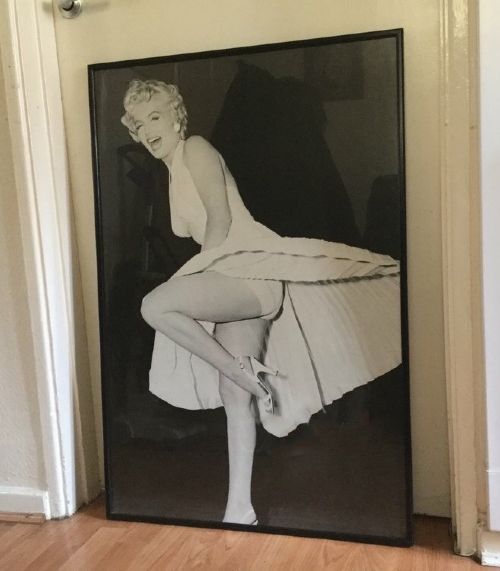
The selection covers a broad spectrum of commercial and cultural topics, including railway travel, cycling races, theatre productions, and sporting events. Educational charts and film advertisements also appear.
Each subject reflects the visual culture and advertising style of its decade, from Victorian chromolithographs to mid-century modernist car posters.