

Antique Porcelain Hand
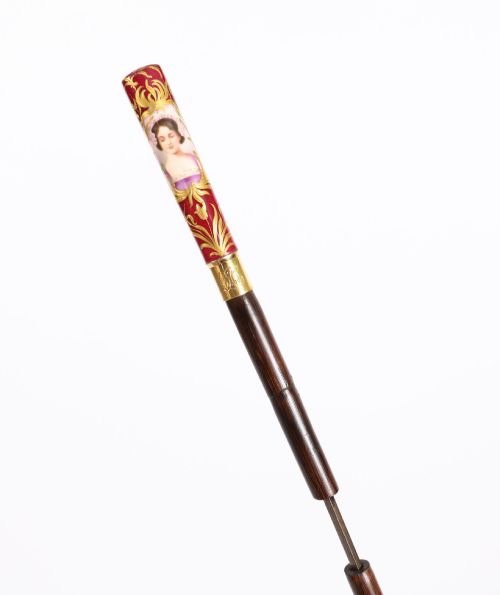
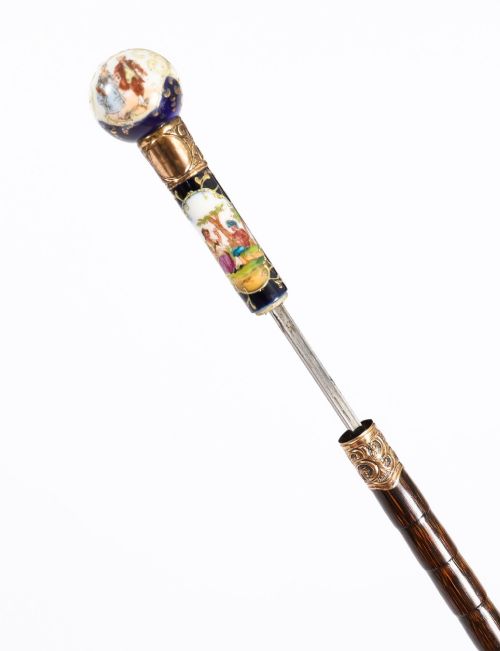
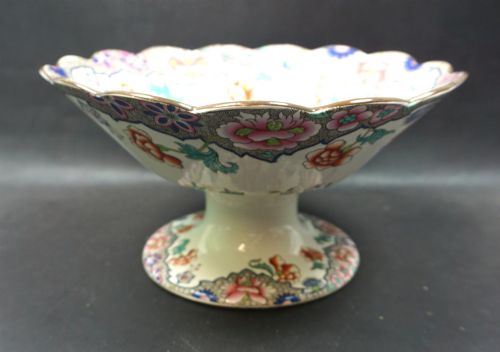
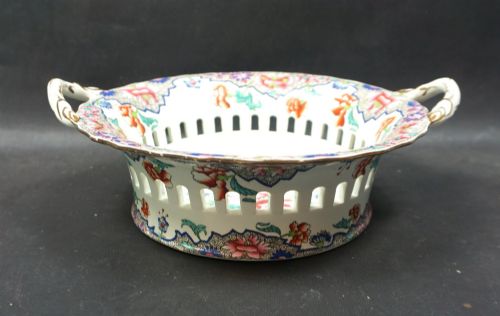
An antique porcelain hand brings remarkable ceramic detail into a room, offering a glimpse into centuries of refined artistry.
Antique Porcelain Hand
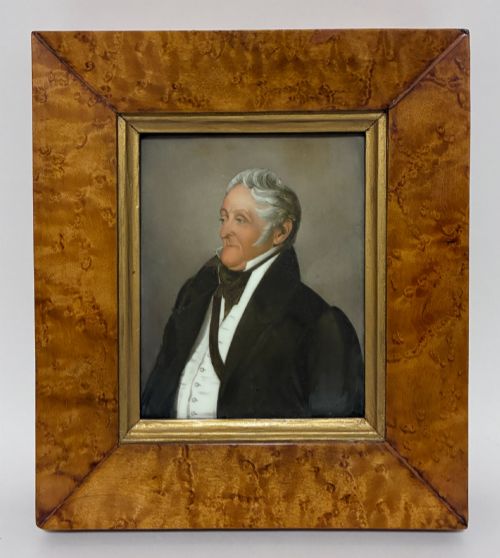
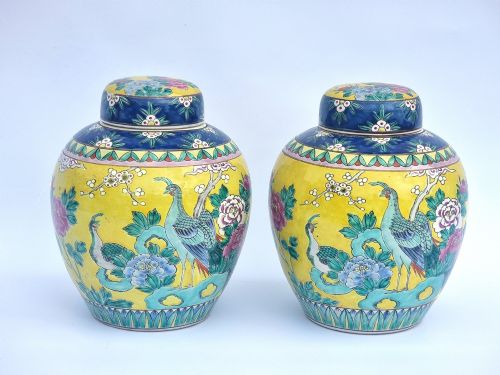
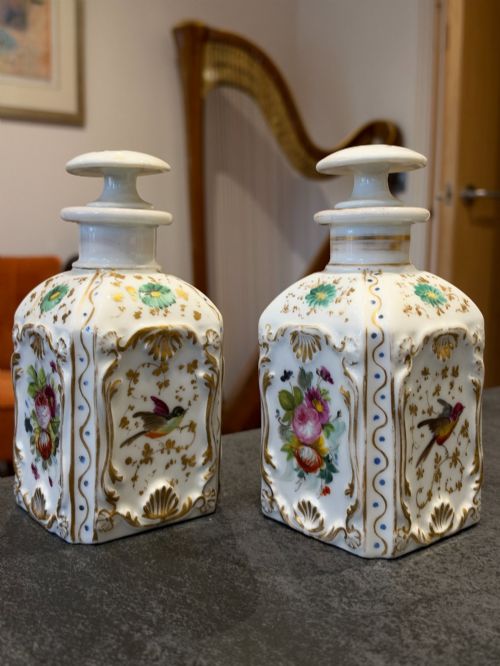
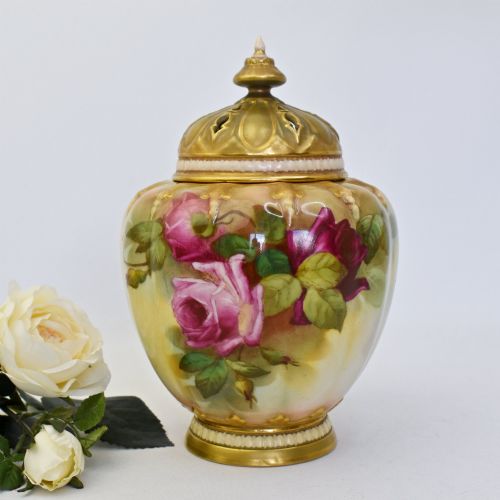
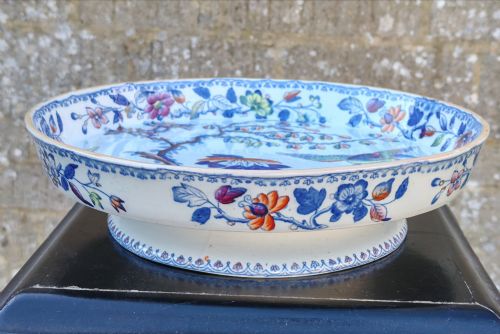
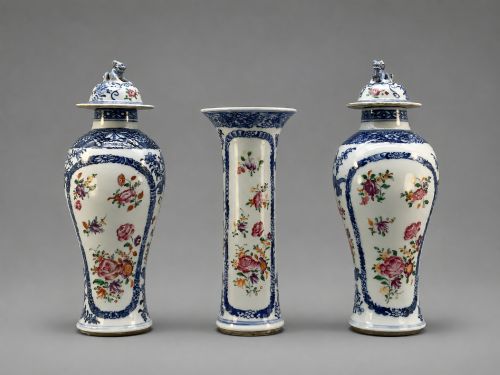
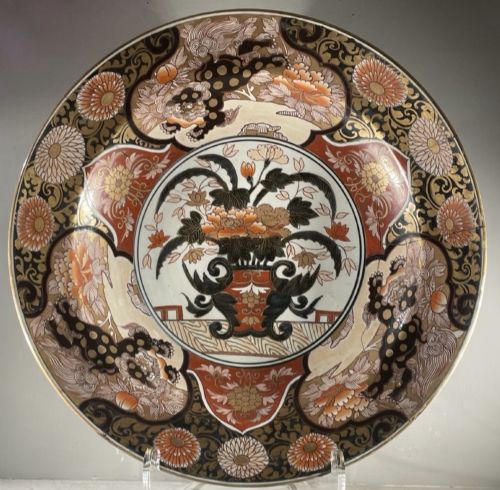
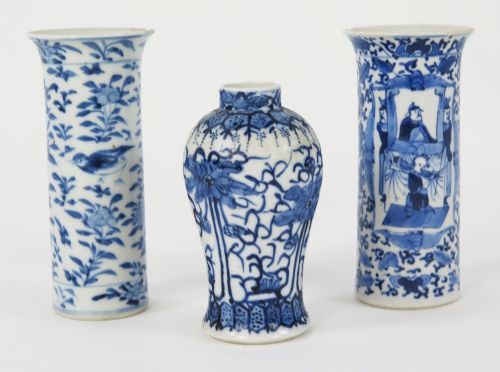
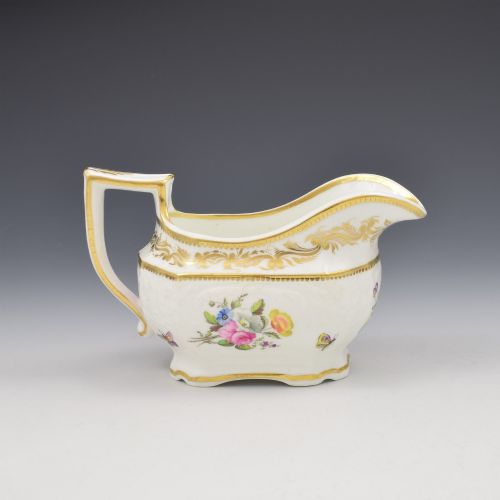
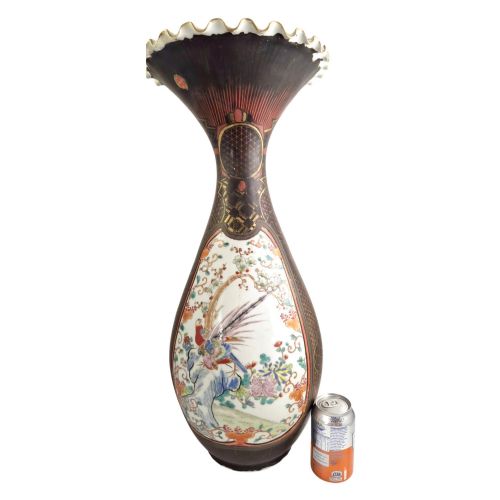
When searching for an antique porcelain hand, collectors encounter varied ceramics from the Georgian, Regency, and Victorian periods, alongside Chinese and Japanese wares.
The selections available range from decorative plates and vases to painted plaques and detailed service pieces created across European and Asian kilns.
Materials and construction
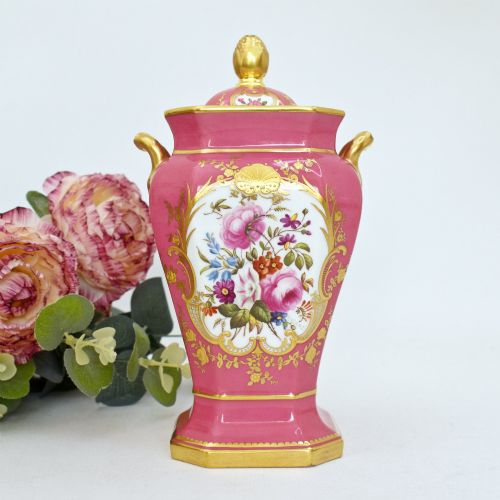
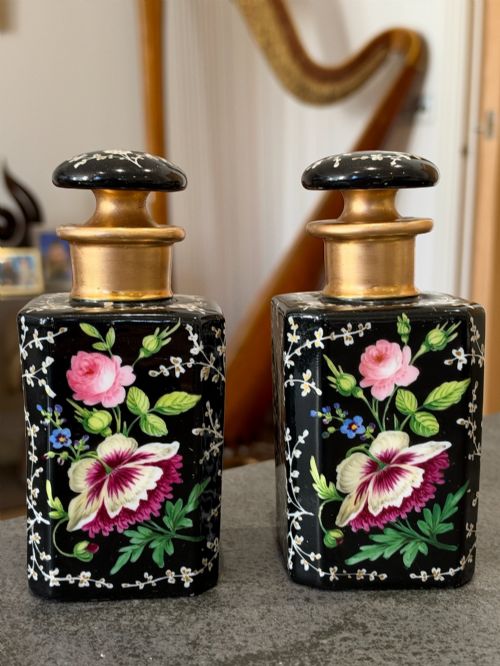
Potters shaped fine ceramic clay before applying overglaze enamel, gold leaf, and gilding to enhance the surface detail.
Many items incorporate delicate hand-painting techniques executed within established studios and factories during the eighteenth and nineteenth centuries.
Antique Porcelain Hand Retail Price Guide 2026
Typical asking prices for porcelain hand among the pieces listed under this phrase on Sellingantiques today, from the lower quarter to the upper quarter. They describe what is for sale here now, not the wider market.
Listings feature porcelain from the Georgian, Regency, and Victorian periods alongside Qing and Meiji styles.
Assessing quality
The refinement of the painted decoration and the precision of the gilding largely determine the standing of an individual piece.
Execution of form and the reputation of the workshop or factory dictate where a ceramic object sits within the broader spectrum of manufacture.
Daventport·Royal Worcester·James Giles·Flight Barr and Barr·William Quaker Pegg·New Hall·Minton·KPM·Derby·Spode·Edme Samson
The Antique Porcelain Hand Glossary
- Overglaze enamel
- Pigments applied on top of a fired and glazed ceramic body, often fixed with a second low-temperature firing. This technique allowed makers to achieve vibrant polychrome designs.
- Gilding
- The application of gold leaf or powdered gold to the surface of porcelain. It highlights rims, handles, and decorative motifs with a metallic sheen.
- Campana
- A vase shape resembling an inverted bell, popular during the Regency period. These vessels frequently feature twin handles and pedestal bases.
- Famille rose
- A palette of Chinese porcelain decoration dominated by opaque pink enamel, introduced during the Qing dynasty. The style gained immense popularity across European export markets.
Antique Porcelain Hand: Frequently Asked Questions
How do I care for antique porcelain?
Keep porcelain pieces away from direct sunlight and areas prone to sudden temperature shifts to protect the glaze and enamel.
Wash items by hand using lukewarm water and mild soap when cleaning is necessary, avoiding abrasive sponges or harsh chemicals.
Where were these ceramics made?
The listings include pieces produced by prominent European factories in England and Germany, alongside traditional kilns in China and Japan.
Each region utilised distinct regional methods and local clays that define their visual character.
How do I identify the period?
Examine the style of decoration, potting techniques, and any factory marks stamped or painted on the base of the ceramic.
Comparing the form and palette against documented manufacturer timelines helps narrow down the date of production.
Can I use these items daily?
Most antique decorative items are intended for display rather than heavy everyday service due to delicate gilding and age.
Displaying them securely on stable surfaces or within cabinets preserves the painted details and prevents accidental damage.