

Antique Pink Vases
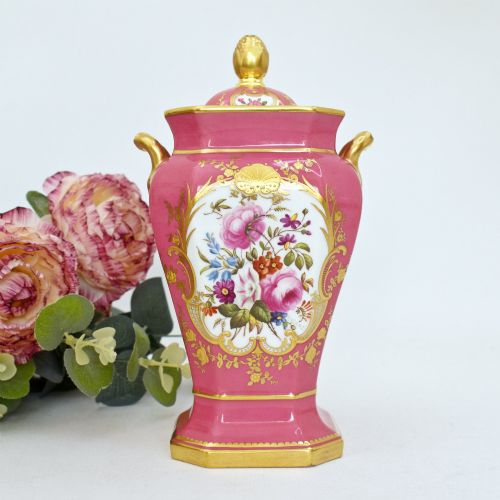
Antique pink vases bring together the delicate tones of Victorian glass and the rich palettes of Chinese porcelain.
Antique Pink Vases
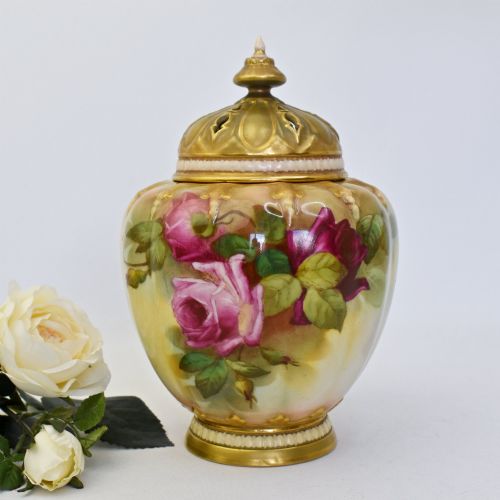
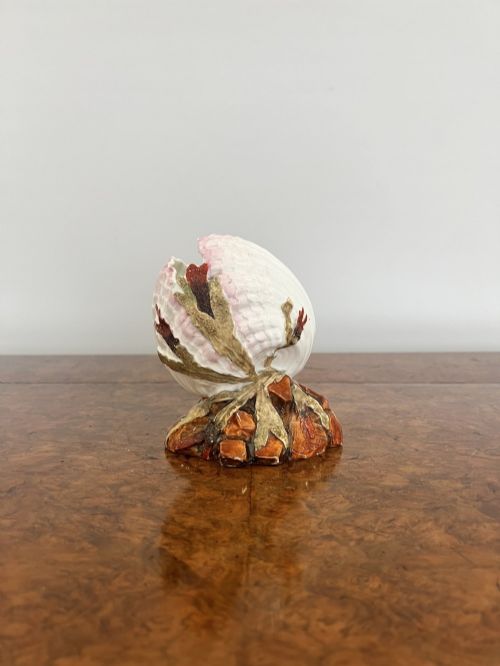
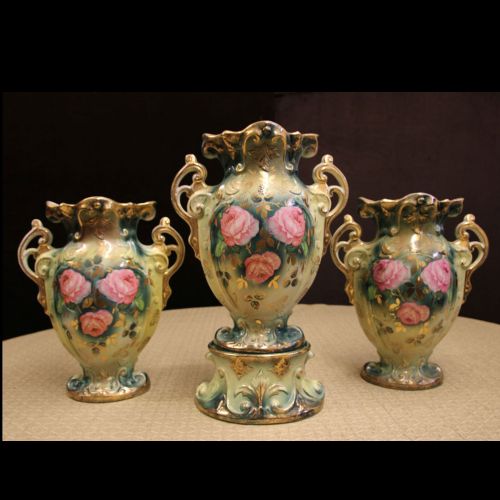
When you search for antique pink vases, you encounter a varied selection that spans European glassworks and Chinese ceramic traditions. The objects range from tall baluster shapes to lidded vessels, table lamps, and decorative urns.
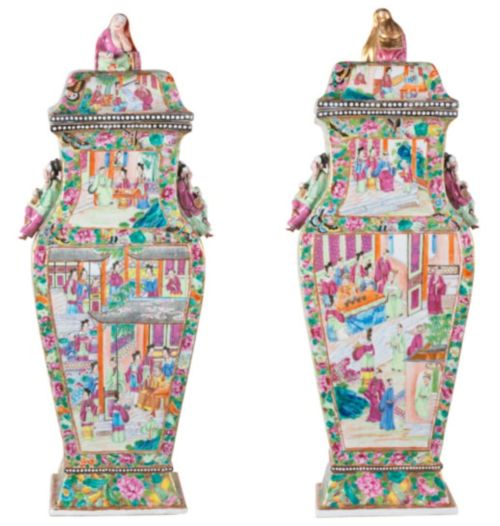
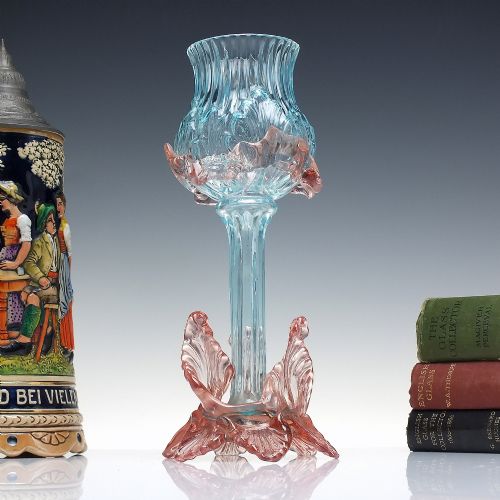
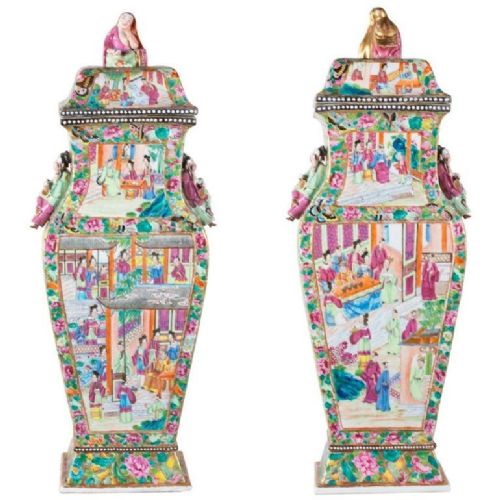
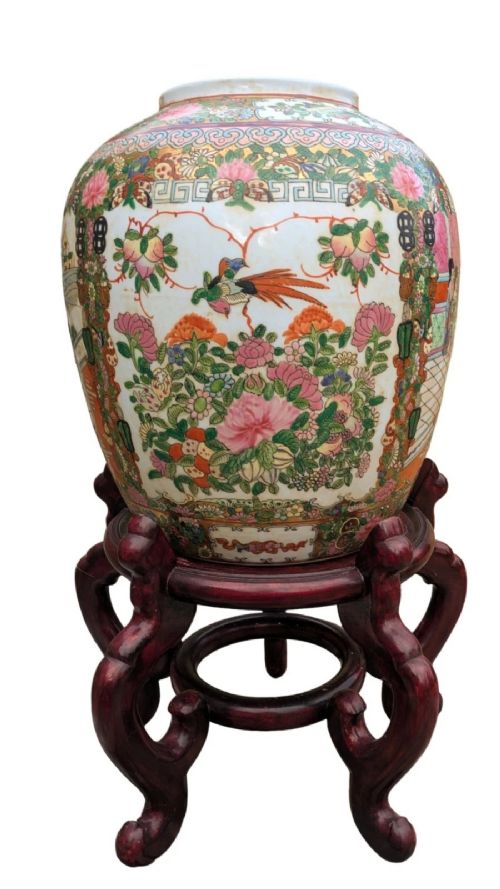
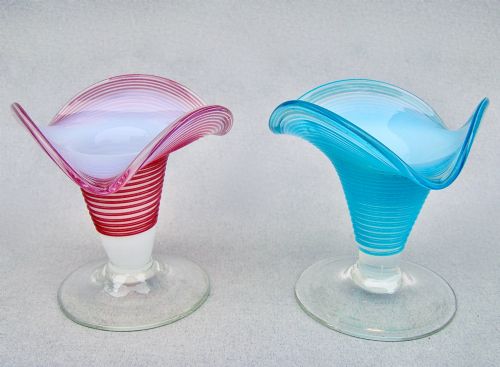
Victorian glass examples frequently appear in vibrant cranberry shades, while Chinese pieces display the soft pink enamel grounds characteristic of the Famille Rose palette. Many items date from the nineteenth century, reflecting the tastes of both English makers and Qing Dynasty export workshops.
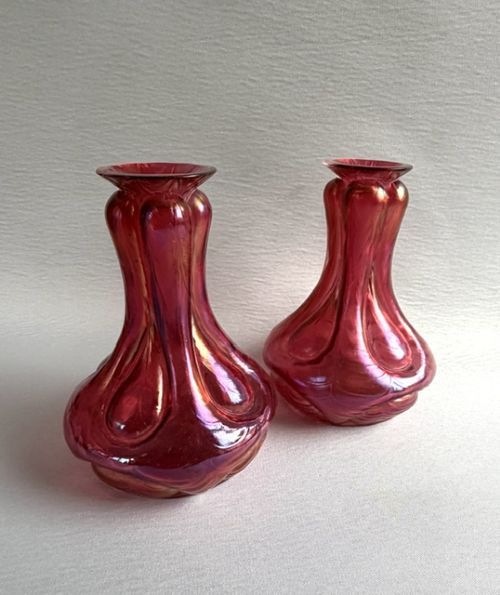
The selection also includes French acid-etched glass and Austrian iridescent designs from around nineteen hundred. Buyers find pairs intended for mantelpieces alongside monumental floor vases meant for grand interiors.
How they were made
Glass pieces rely on techniques such as cased layers, acid etching, and glass-blowing to achieve deep coloration and surface texture. Cranberry glass incorporates gold in the molten batch, while lustres and epergnes often involve applied glass embellishments.
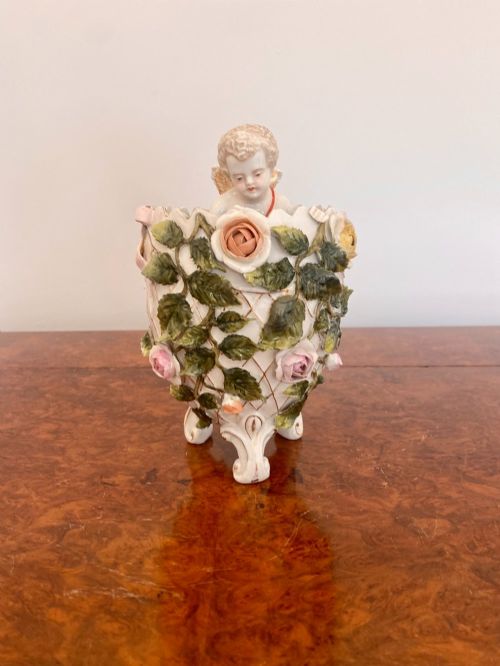
Porcelain items utilise enamel painting over a white ceramic base, sometimes combined with gilding and intricate hand-painted floral or figural motifs. Chinese workshops applied opaque enamel pink grounds, whereas European factories employed similar hand-finishing on hard-paste porcelain bodies.
Antique Pink Vases Retail Price Guide 2026
Typical asking prices for pink vases among the pieces listed under this phrase on Sellingantiques today, from the lower quarter to the upper quarter. They describe what is for sale here now, not the wider market.
Listings feature nineteenth-century porcelain, glass, and hardwood stands from English, French, Austrian, and Chinese origins.
What varies in quality
The standard of painting on porcelain separates routine production from superior works, particularly in the precision of brushwork on floral panels and figural scenes. Crisp enamel details and controlled gilding indicate greater workshop skill.
In glass objects, the depth of colour, the complexity of surface treatments such as iridescence or acid etching, and the crispness of applied elements define the upper tier of manufacture.
Edme Samson·Pallme Konig·Grainger Worcester·Krister KPM Waldenburg·Tamura Yukio·Flight Barr and Barr
The Antique Pink Vases Glossary
- Famille Rose
- A palette of Chinese porcelain enamels dominated by opaque pink, introduced during the Qing Dynasty. The style allowed for delicate shading of floral and figural compositions.
- Cranberry Glass
- A rich pink transparent glass coloured by the addition of gold chloride to the metal. It gained popularity during the Victorian era for tablewares and decorative items.
- Lustre
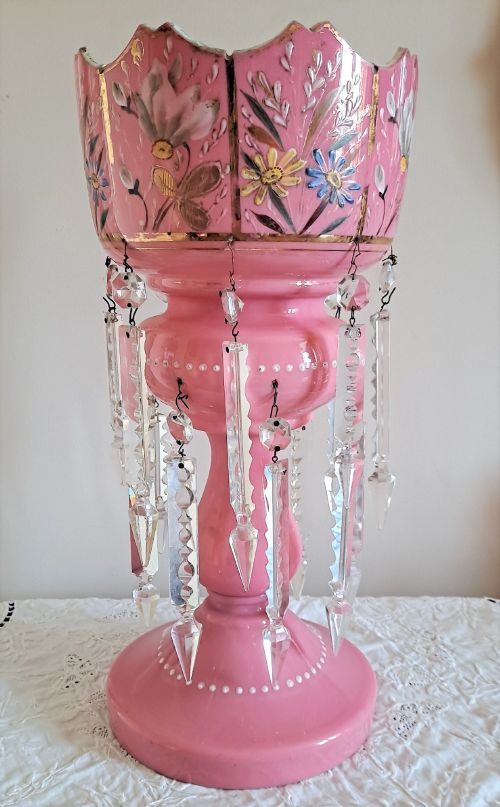
- A type of glass vase or candlestick hung with cut-glass pendants designed to reflect candlelight. Victorian examples often feature bright pink colouration.
- Baluster
- A vase form characterised by a rounded body that tapers toward the neck and stands on a narrower base. The shape appears frequently in nineteenth-century Chinese export porcelain.
- Garniture
- A set of matching vases or urns, usually three or five in number, intended to be displayed together on a mantelpiece or cabinet.
Antique Pink Vases: Frequently Asked Questions
How do I date Victorian pink glass?
Victorian pink glass, such as cranberry or cased glass, usually dates from the nineteenth century. Examining the pontil mark on the base helps determine the method of manufacture.
Stylistic cues like applied clear glass feet or ruffled rims also point toward late nineteenth-century production periods.
Where were antique pink vases displayed?
These vases served primarily as decorative garnitures on mantelpieces, tabletops, and pedestals in nineteenth-century homes. Large floor vases stood in entrance halls.
Paired objects were arranged symmetrically to balance formal interior schemes of the Victorian and Qing periods.
Are antique pink vases fragile?
Glass and porcelain items require careful handling due to their delicate materials. Enamelled surfaces and applied glass elements are vulnerable to knocks.
Placing them on stable surfaces away from high-traffic areas ensures their preservation in domestic settings.