



Antique Pine Lighting
Antique pine lighting brings warm, honest timber and period character into a room through carved urn lamps, painted bases, and floor-standing torcheres.
Antique Pine Lighting
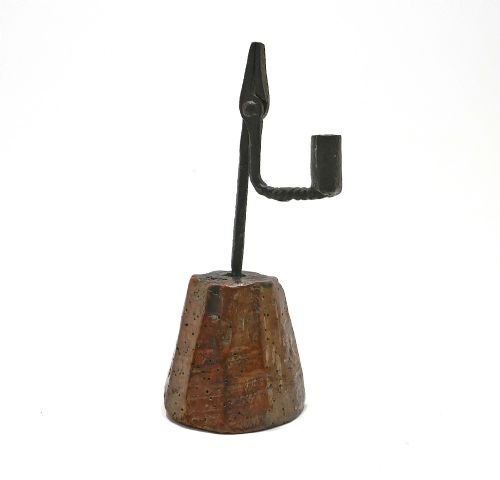
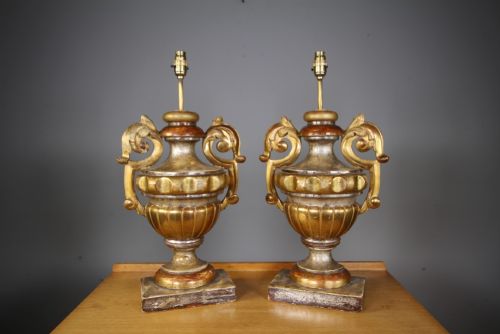
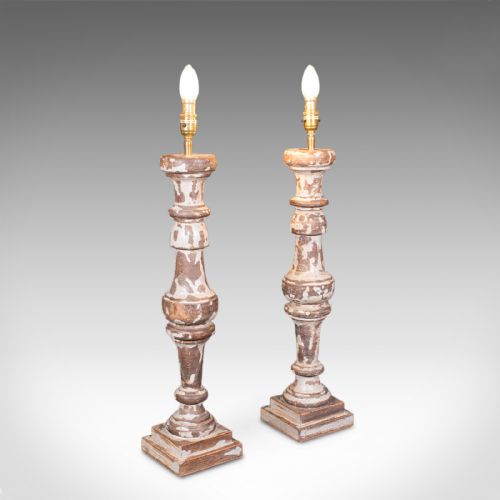
When searching for antique pine lighting, collectors encounter floor-standing torcheres and table lamps fashioned from timber, often augmented with brass or paint. The pieces span periods from the Georgian era through the Victorian years and into the early twentieth century.
Most items emerge from the nineteenth century or the Edwardian period, reflecting domestic utility and country house aesthetics. Alongside standard table formats, larger carved elements demonstrate how secondary softwoods were elevated through sculptural form.
Materials and construction
Items rely primarily on pine and timber, frequently combined with brass fittings, iron components, and glass elements. Paint finishes, ranging from light grey to scumbled treatments, protect the wood while defining the visual surface.
Makers shaped the soft timber through turning, carving, and joining techniques suited to domestic workshops and larger cabinet-making firms. Surface preparation involved wax application or decorative painting over the underlying pine grain.
Antique Pine Lighting Retail Price Guide 2026
Typical asking prices for pine lighting among the pieces listed under this phrase on Sellingantiques today, from the lower quarter to the upper quarter. They describe what is for sale here now, not the wider market.
Listings feature nineteenth-century and early twentieth-century pine items incorporating brass, iron, glass, and painted finishes.
Evaluating craftsmanship
Quality rests in the crispness of the timber carving and the integrity of the original painted or waxed surface. Heavily worn or altered structures separate simpler utility items from more ambitious architectural forms.
Proportion and decorative detail dictate distinction within the category, distinguishing standard turned supports from substantial carved torcheres and gilt-adorned urn lamps.
Maple & Co.·Howard and Sons
The Antique Pine Lighting Glossary
- Torchere
- A tall stand or lamp holder designed to elevate a light source. These carved wooden columns originated in earlier centuries and continued into the late Victorian and Edwardian periods.
- Scumbled
- A decorative paint technique involving translucent layers dragged over a base coat to simulate richer grain. This finish appears on nineteenth-century furniture and related timber objects.
- Gilt
- A thin application of gold leaf or powder used to highlight carved details. It frequently accents wooden urn lamps and Neoclassical ornaments.
- Softwood
- Timber derived from conifers, of which pine is the primary example. It forms the structural basis for country furniture and domestic lighting bases.
Antique Pine Lighting: Frequently Asked Questions
What periods do these lamps date from?
The lighting pieces and related woodwork span the Georgian era, the nineteenth century, and the early twentieth century. Most examples align with Victorian and Edwardian domestic interiors.
Craftsmen utilised regional pine and traditional joinery across these decades, resulting in varied stylistic influences from Neoclassical to rustic country aesthetics.
How should I care for painted pine?
Maintain painted surfaces by dusting with a dry cloth and avoiding harsh chemical cleaners. Waxed timber benefits from occasional applications of natural beeswax to nourish the wood.
Keep pieces away from direct heat sources and strong sunlight to prevent the paint finish from drying out or cracking over time.
Are these lamp bases wired for modern use?
Electrification varies depending on the specific piece, with many older turned bases adapted for modern wiring during the twentieth century. Buyers should inspect the electrical components to ensure they meet current safety standards.
Professional rewiring allows historic timber bases to function safely as contemporary table or floor lamps.
How do I identify a torchere?
A torchere stands as a tall, slender column or pedestal designed to support a light source or decorative object. Nineteenth-century examples often feature carved wooden shafts and circular tops.
Unlike standard table lamps, torcheres function as prominent vertical elements within a room scheme.