




Antique Pine Island
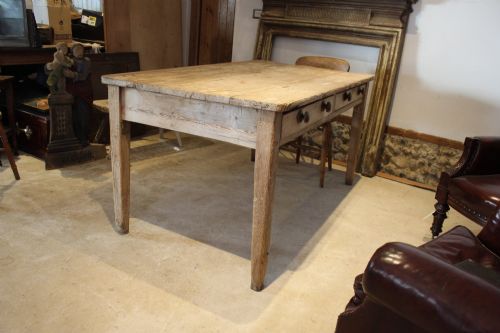
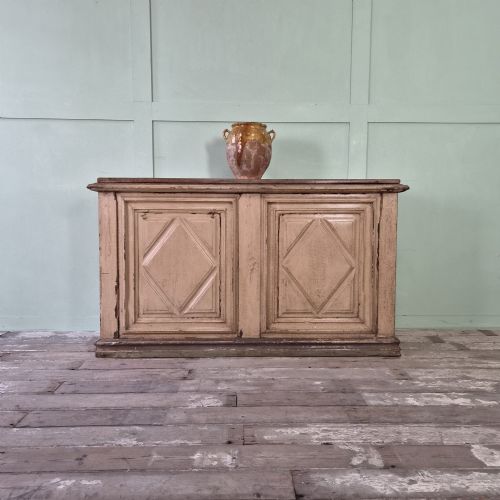
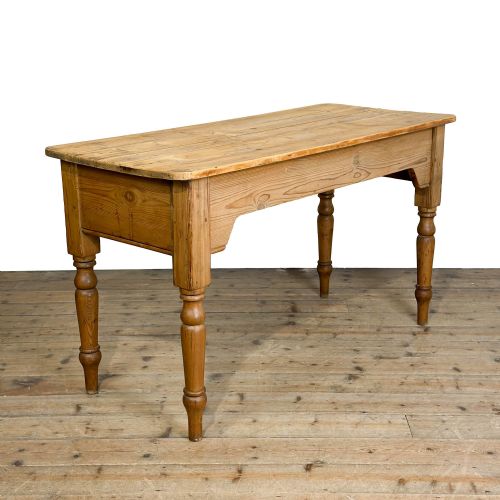
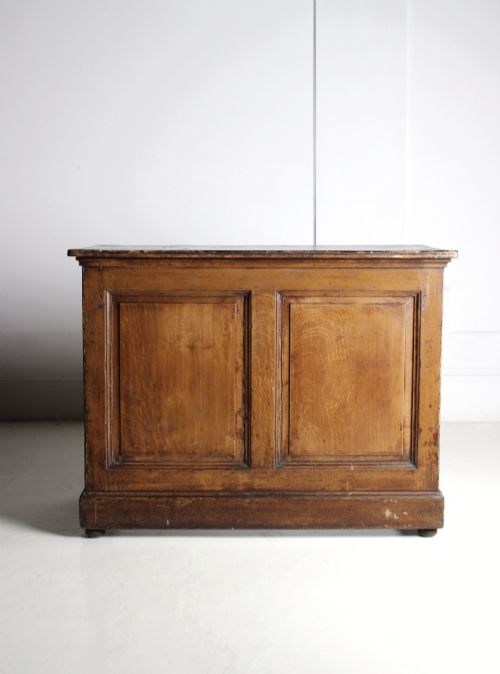
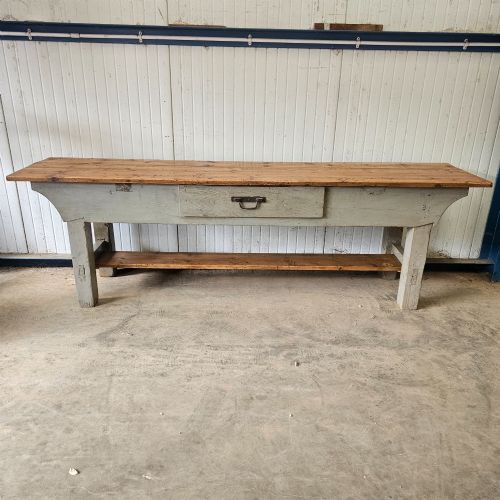
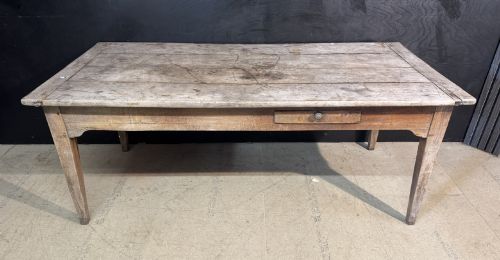
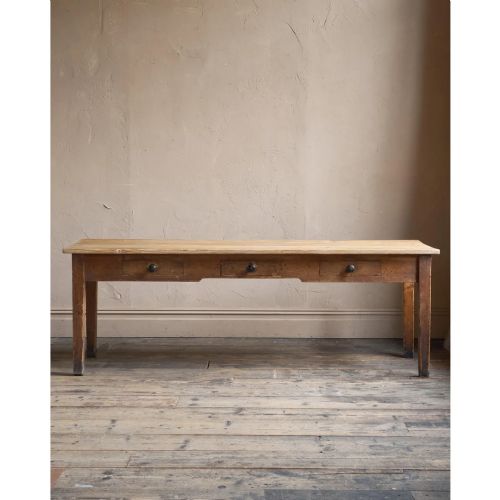
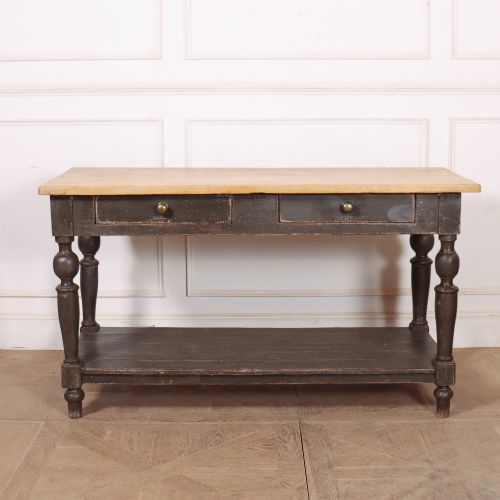
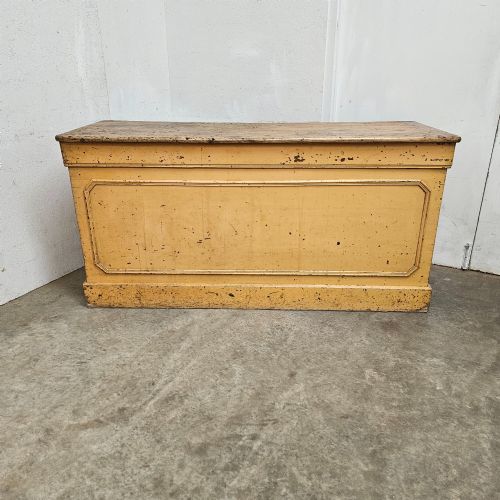
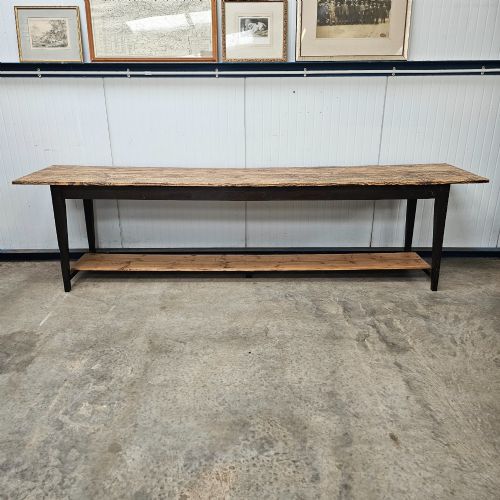
These pieces sold as antique pine island are substantial work tables, counters and prep surfaces built from solid timber.
Antique Pine Island
An antique pine island provides a working surface or central counter derived from domestic and commercial utility furniture of the nineteenth and early twentieth centuries. These forms include scrub top kitchen tables, bakers prep tables, drapers tables, shop counters and workbenches originating from English, French, Swedish and Hungarian traditions.
The pieces span periods from the Georgian era through Victorian times and into the early twentieth century. Buyers seeking this search phrase encounter substantial tables and counters featuring drawers, lower shelves and scrubbed or painted surfaces suitable for contemporary kitchen installations.
How they were made
Construction relies primarily on solid pine timbers, frequently paired with oak, sycamore, beech or elm for heavier structural elements and scrubbed working tops. Iron and brass appear in functional hardware such as drawer pulls, braces and mechanical fastenings.
Surfaces exhibit either natural scrubbed wood or applied finishes including original paint, later paint, faux oak graining and wax treatments. Joinery methods reflect traditional cabinet making and carpentry appropriate for heavy utility furniture subjected to daily commercial or domestic labour.
Antique Pine Island Retail Price Guide 2026
Typical asking prices for pine island among the pieces listed under this phrase on Sellingantiques today, from the lower quarter to the upper quarter. They describe what is for sale here now, not the wider market.
Materials recorded across the inventory include pine, paint, iron, brass, oak, painted wood, beech, elm and sycamore.
What varies in quality
Quality separates pieces by the integrity of their original construction and the preservation of authentic surface patination. Original paint finishes and untouched structural timbers command attention compared to heavily altered examples.
The scale and proportion of the piece, alongside functional attributes like deep drawers, tiers and bread slides, determine the utility and desirability of individual work tables and counters.
The Antique Pine Island Glossary
- Scrub top
- A solid wooden table top designed for frequent washing and scouring with water and sand. This process leaves the timber pale and deeply textured.
- Drapers table
- A long utility table originally utilised in mercers and drapery shops for measuring and folding textiles. They often incorporate lower shelves or multiple drawers.
- Bread slide
- A pull-out wooden shelf integrated into furniture storage bases or dresser units. It provided extra temporary surface space for cooling baked goods.
- Worktable
- A sturdy utilitarian table built for trade or domestic craft rather than formal dining. These pieces prioritise robust timber construction over ornamentation.
- Shop counter
- A substantial retail furnishing designed to display goods and handle transactions. Examples frequently feature panelled fronts and integrated storage on the attendant side.
Antique Pine Island: Frequently Asked Questions
Can I use an antique pine island for kitchen prep?
These pieces were built as work tables, bakers prep tables and drapers counters designed precisely for heavy daily use. Their solid timber construction and generous surfaces suit food preparation.
Many examples feature scrubbed wooden tops or deep drawers that accommodate kitchen utensils and ingredients while anchoring a domestic kitchen layout.
How do I identify a drapers table?
Drapers tables are typically elongated work tables originally built for measuring and folding cloth in retail shops. They frequently incorporate lower tiers or shelves.
Originating largely from French and English traditions during the nineteenth century, their proportions remain narrower and longer than standard dining tables.
Are these tables painted or natural wood?
Surfaces vary significantly between natural timber and applied finishes. Pieces often retain original paint, later paint coats, faux oak graining or clear wax.
When evaluating a piece, examine whether the paint layer is original to the period or represents a later decorative application applied during the table's working life.