



Antique Pillar Table Lamp
An antique pillar table lamp brings architectural weight to a room, using classical columns to anchor the light.
Antique Pillar Table Lamp
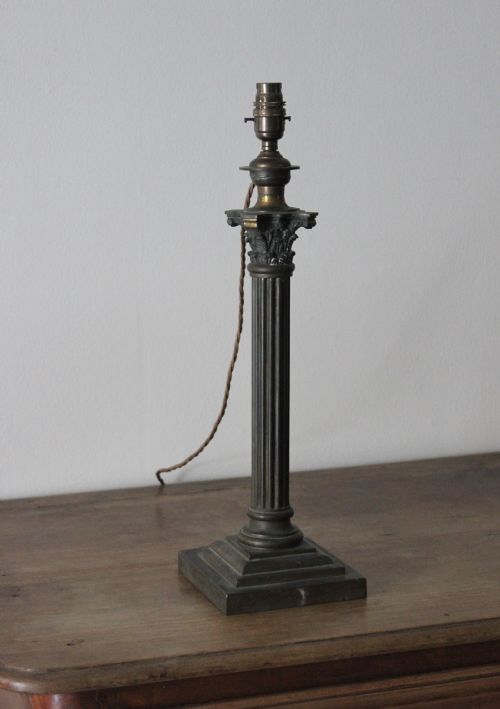
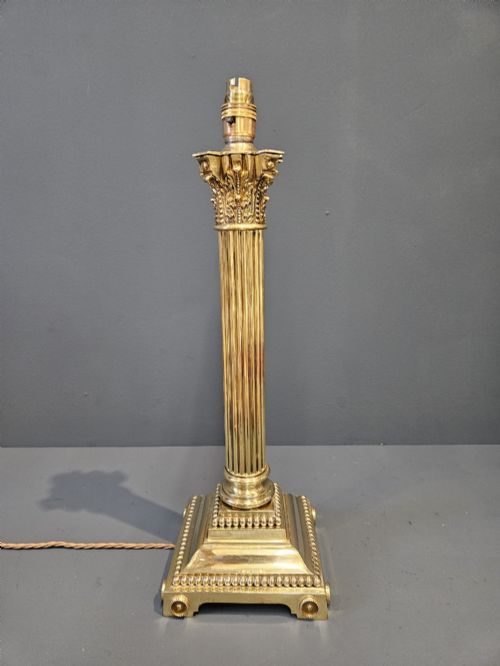
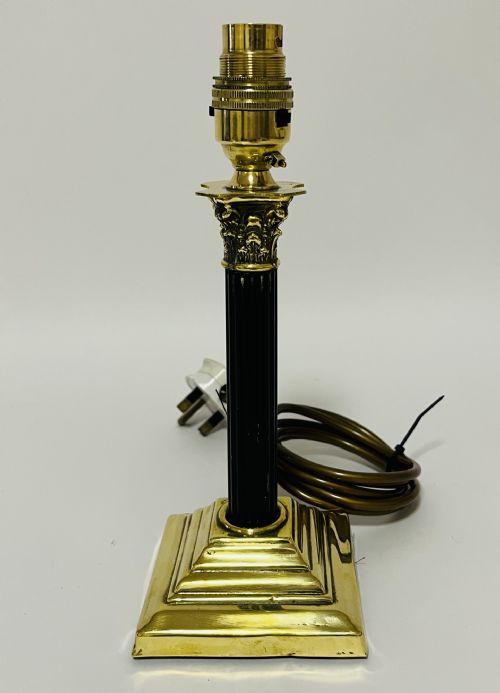
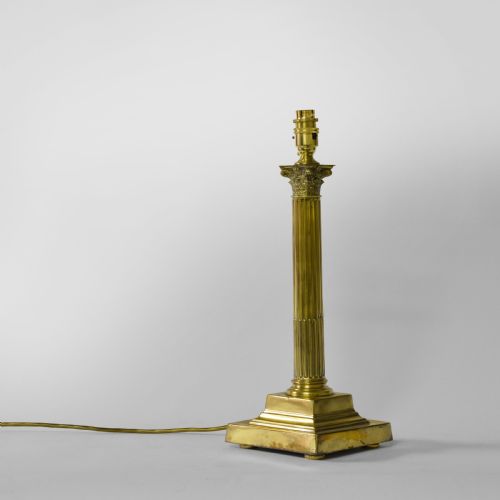
An antique pillar table lamp takes its form from classical architecture, translating stone columns into domestic lighting. These pieces draw heavily on historical orders, most notably the Corinthian style with its characteristic acanthus leaf capitals. Buyers encounter various interpretations, from monumental carved wood to polished metal shafts.
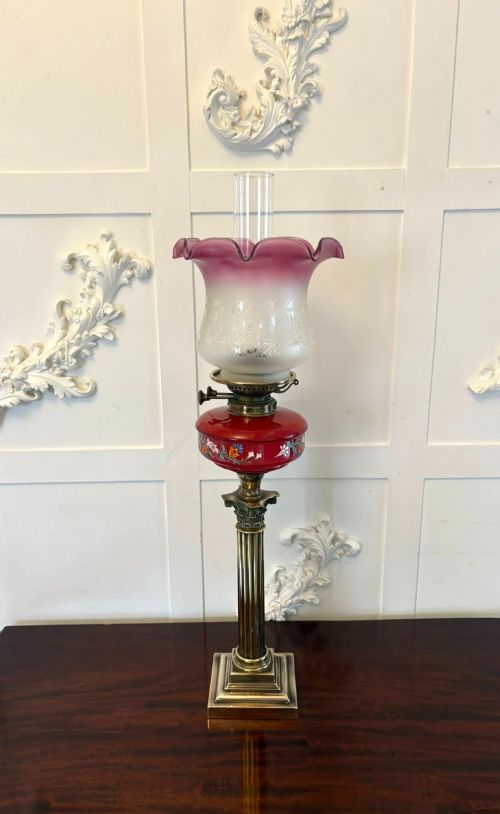
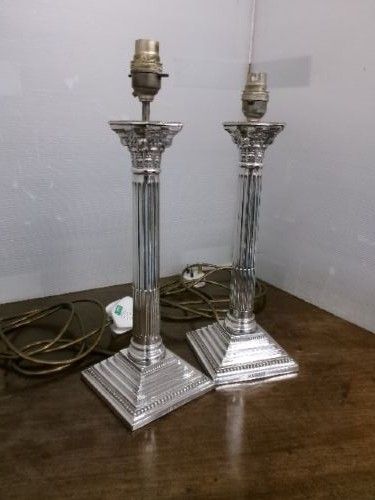
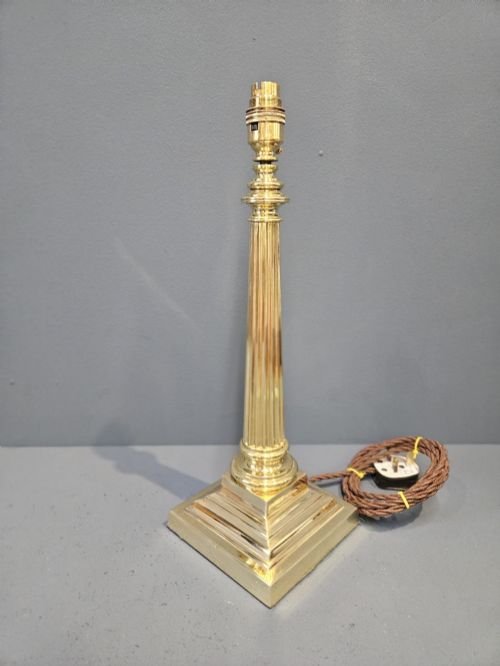
The selection here leans heavily towards metalwork and transformed lighting vessels, reflecting how earlier pieces found new life with electricity. Brass, silver plate, and bronze dominate the offerings, often rising from stepped square bases. Alongside dedicated lamp bases, some items show a history of conversion from oil lamps or side tables.
Periods range widely across the nineteenth and twentieth centuries, taking in Victorian solidity and later Edwardian refinement. One finds patinated brass alongside silver plate and carved oak. These objects function as primary task lighting or decorative accents on sideboards and desks.
How they were made
Metals such as brass, bronze, and silver plate form the backbone of these constructions, often cast in sections and secured with internal threaded rods. Workers utilised techniques like patination to age surfaces or applied silver plating over base metals to mimic solid precious material. Reeded and fluted shafts required precise lathe work to achieve regular vertical channels.
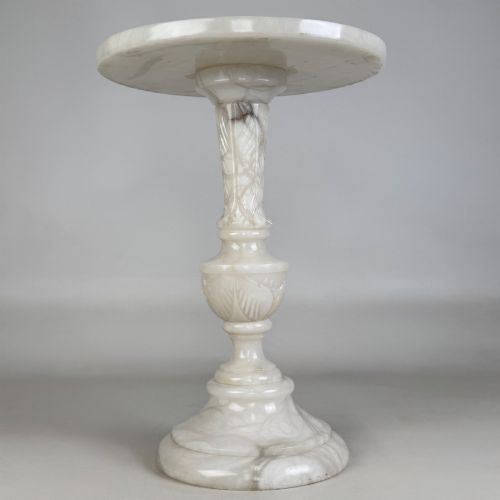
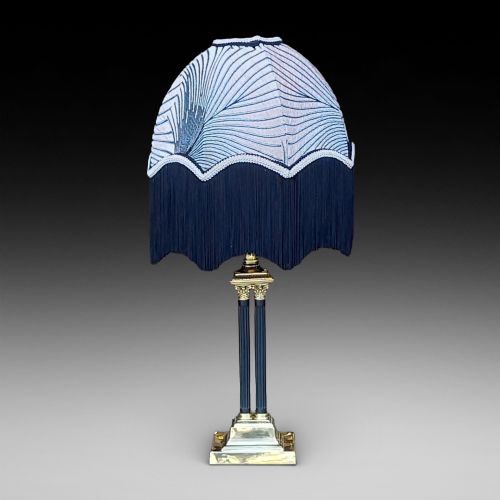
Other examples utilise carved timber or natural stone, including marble and alabaster, shaped to resemble ancient architectural fragments. Glass fonts appear alongside metal columns, bringing colour and translucency to the upper portions of oil lamp conversions. Fabric shades complete the construction, diffusing the illumination cast downwards from the bulb holder.
Antique Pillar Table Lamp Retail Price Guide 2026
Typical asking prices for pillar table lamp among the pieces listed under this phrase on Sellingantiques today, from the lower quarter to the upper quarter. They describe what is for sale here now, not the wider market.
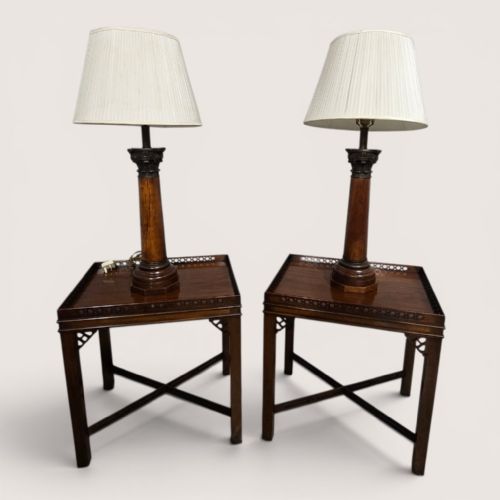
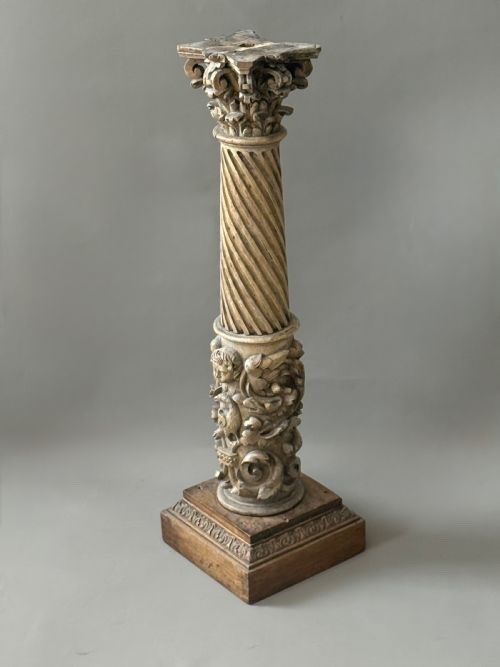
One towering nineteenth-century specimen stands as a monumental wooden pillar, proving that some table lamps have serious architectural ambitions.
What varies in quality
Quality rests in the crispness of the casting and the depth of the material finish. Finer columns display sharply rendered acanthus leaves on their capitals and heavy, stable bases that prevent tipping. Lesser examples feature softened details where worn moulds have dulled the architectural ornament.
Proportion and material integrity also dictate the standing of a piece. Solid brass and heavy silver plate hold their presence better than thin, plated base metals that show wear over time. Matched pairs require consistent height and identical patination to maintain visual balance in a room.
The Antique Pillar Table Lamp Glossary
- Capital
- The decorative uppermost member of a column, situated above the shaft. In these lamps, capitals frequently feature ornate Corinthian scrollwork and foliage.
- Corinthian
- An architectural order originating in ancient Greece, identified by slender fluted columns and elaborate capitals decorated with stylized acanthus leaves.
- Reeded
- A decorative surface treatment consisting of parallel convex mouldings placed side by side. This technique adds texture and vertical emphasis to metal columns.
- Patinated
- The surface appearance acquired by materials like brass, bronze, and copper through age and oxidation. A good patinated finish shows depth and varied dark tones rather than bright, uniform shine.
- Ormolu
- Gilt bronze ornamentation applied to furniture and decorative objects. The technique involves treating metal with a mercury and gold amalgam before heating.
Antique Pillar Table Lamp: Frequently Asked Questions
What is an antique pillar table lamp?
An antique pillar table lamp is a lighting fixture designed to resemble a classical architectural column. These pieces borrow forms from ancient temples and stately homes to provide domestic illumination.
Most examples adopt the Corinthian order, featuring decorative capitals and fluted or reeded shafts. They sit upon heavy bases, bringing a sense of structural permanence to tabletops.
How do I style these lamps?
These lamps suit traditional and transitional interiors where their architectural presence can anchor a room. Place them on sideboards, desks, or large side tables to create layered lighting.
Paired columns work well on matching console tables or flanking a fireplace. Their metallic finishes reflect ambient light, adding warmth to dark corners.
Were these always electric lamps?
Many of these pieces began life as oil lamps before being converted to electricity during the twentieth century. The conversion process often involved adapting the burner assembly to take a bulb holder.
Some items started as decorative architectural elements or carved wooden posts before being fitted for wiring. This history of adaptation is common in antique lighting.
How do I date an antique pillar table lamp?
Dating relies on examining the materials, manufacturing marks, and wiring style of the object. Victorian and Edwardian examples often feature heavy brass casting and components specific to nineteenth-century oil vessels.
Twentieth-century pieces from the Art Deco period introduce cleaner lines and different alloy compositions. Comparing the capital carving and base construction to dated architectural styles helps narrow the period.