



Antique Pillar Desk
An antique pillar desk brings architectural presence to a room, offering sturdy pedestals and generous writing surfaces fashioned in rich mahogany.
Antique Pillar Desk
An antique pillar desk is a substantial workspace featuring robust pedestals or columns that support the main writing surface. When searching for an antique pillar desk, buyers encounter robust Edwardian examples characterised by carved pillars and fine timber construction.
These forms bridge practical study furniture and classical design, emerging mainly from the Victorian and Edwardian periods. Pieces on offer reveal how makers adapted classical architectural motifs for domestic and library settings.
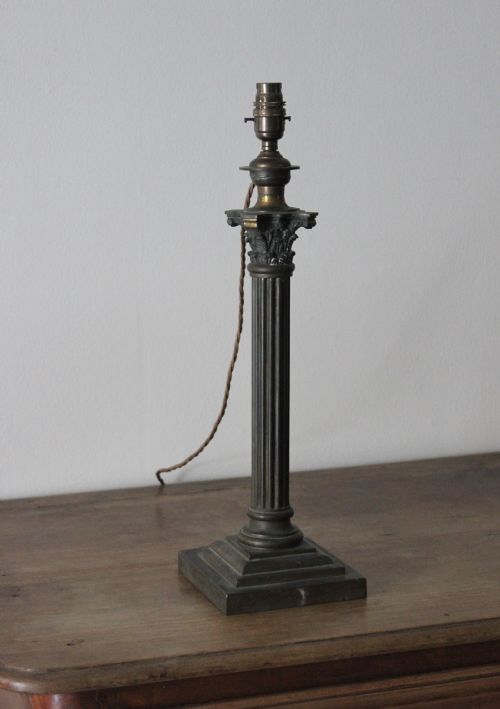
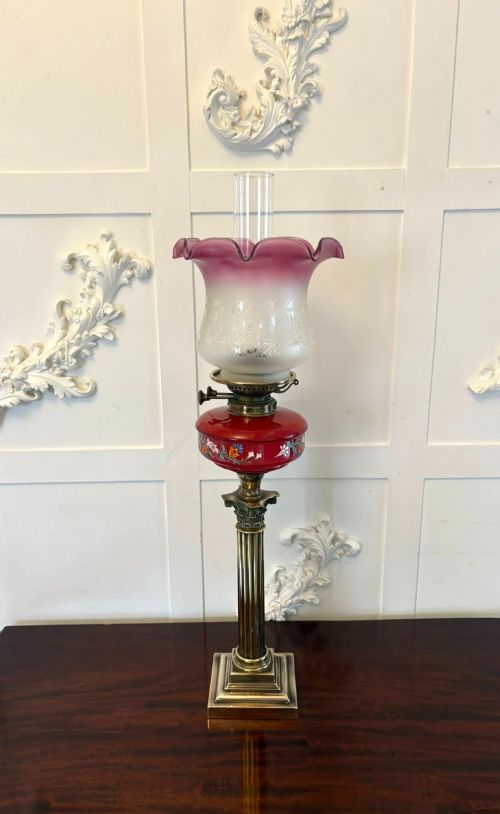
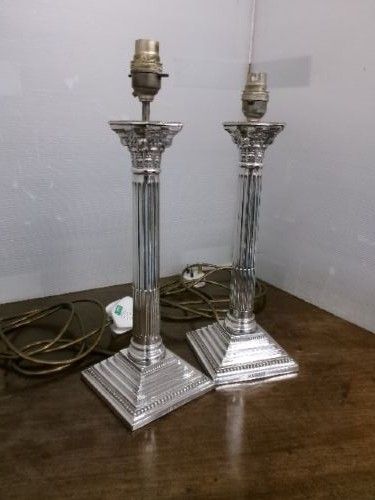
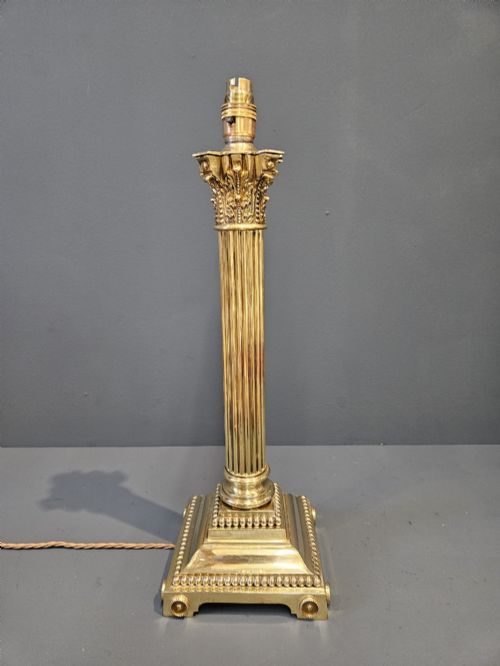
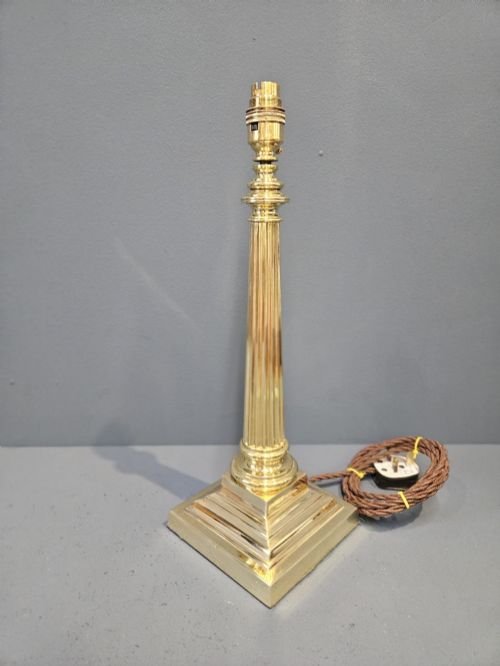
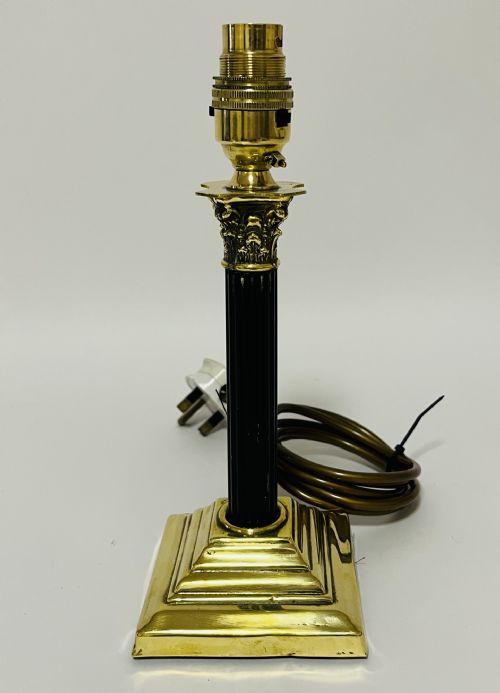
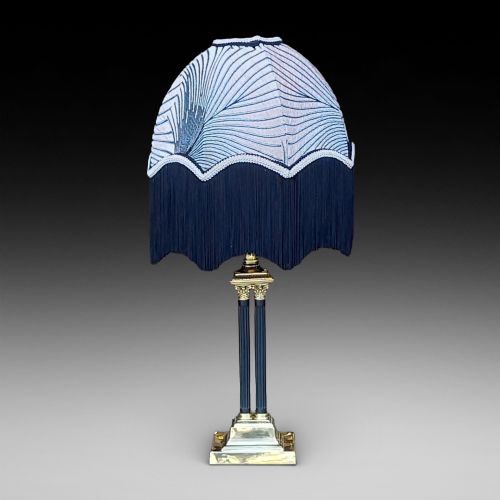
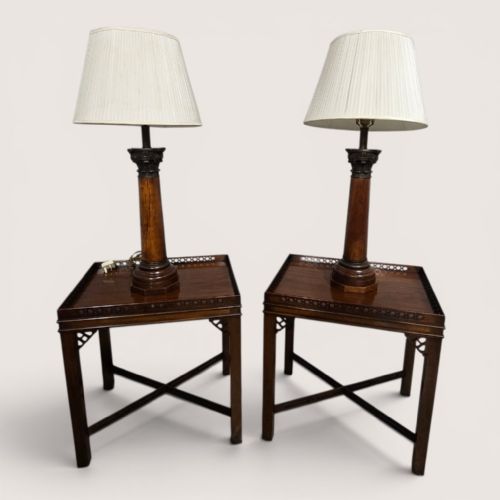
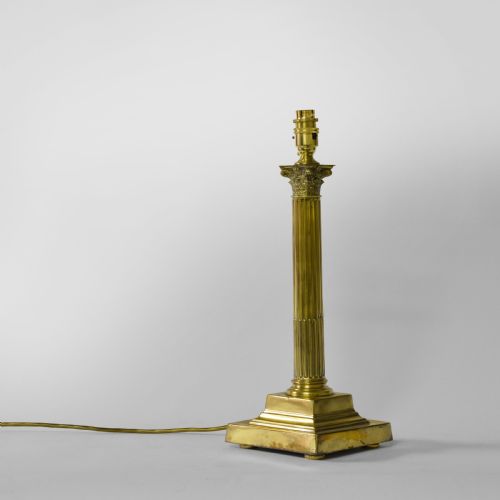
Alongside dedicated pedestal desks, the selection includes related pillar forms such as library tables and column lamps, reflecting a broader Victorian and Edwardian fascination with architectural supports.
Materials and construction methods
Cabinet makers utilised dense hardwoods like mahogany for desks and tables, ensuring structural stability for heavy daily use. Surfaces often received hand-carved detailing along the pillars and pedestals, demonstrating traditional joinery techniques.
Metal components such as brass and silver plate appear frequently in the broader pillar category, cast into classical column shapes and reeded shafts. Glass fonts and marble also feature in related lighting and decorative objects, showcasing diverse material combinations.
Antique Pillar Desk Retail Price Guide 2026
Typical asking prices for pillar desk among the pieces listed under this phrase on Sellingantiques today, from the lower quarter to the upper quarter. They describe what is for sale here now, not the wider market.
Some pillar desks hide secret compartments within their pedestals for stashing private letters.
Distinctions in quality and execution
Quality rests in the crispness of the carved architectural details on the pillars and the selection of timber figures. Superior desks display tightly grained mahogany and well-defined mouldings that retain their structural integrity.
The precision of assembly in the pedestal framework and drawers distinguishes finer pieces from standard utilitarian furniture. Weight, balance, and the retention of original brass or wooden hardware further separate better examples.
Walter Latham & Son
The Antique Pillar Desk Glossary
- Pedestal
- A structural support or pillar beneath a desk or table. It often contains banks of drawers for storage.
- Mahogany
- A durable, reddish-brown tropical hardwood favoured by cabinet makers. It takes a fine polish and resists warping.
- Corinthian
- An classical architectural order featuring ornate capitals decorated with acanthus leaves. This motif frequently ornaments the tops of lamp columns and structural pillars.
- Reeded
- A decorative moulding consisting of parallel convex rows pressed or carved into the wood or metal. It adds texture to columns and furniture legs.
Antique Pillar Desk: Frequently Asked Questions
What is an antique pillar desk?
An antique pillar desk is a heavy wooden writing table supported by pedestals or columns rather than simple legs. These pieces provide substantial surface area and often include built-in drawers.
They originate primarily from the nineteenth and early twentieth centuries, reflecting traditional craftsmanship and classical design influences.
How do I style a pillar desk?
Place a pillar desk as a central feature in a study or library where its architectural columns and timber grain remain visible. Pair it with a traditional leather chair of similar age.
Keep the surface uncluttered to allow the carved pillars and wood quality to command attention in the room.
Are pillar desks difficult to maintain?
Maintenance involves regular dusting with a soft cloth and occasional treatment with appropriate furniture wax to nourish the wood. Avoid placing them near direct heat sources or strong sunlight.
Careful handling of drawers and avoiding excess moisture ensures the timber and joints remain stable over decades.
How can I date my desk?
Dating relies on examining construction methods, timber types, and hardware fixings such as drawer dovetails and locks. Edwardian and Victorian pieces display distinct machine and hand tools marks.
Comparing the decorative pillar carvings and style elements to documented periods helps narrow down the decade of manufacture.