






Antique Perfume Container
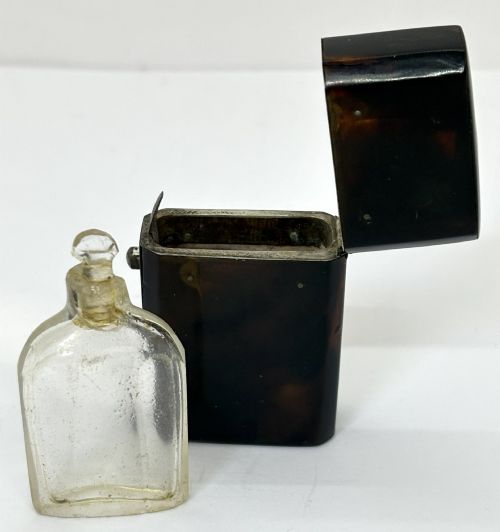
These antique perfume container examples range from Georgian tortoiseshell holders to Edwardian silver travelling trios, offering portable luxury for the collector.
Antique Perfume Container
An antique perfume container spans various forms designed to hold scents, balms, and aromatic vinegars while travelling or at home. When you search this phrase, you encounter objects intended for personal grooming that reflect distinct historical periods from the Georgian era through to the 1920s.
The selections on this page include scent bottles, vinaigrettes, snuff bottles, and vanity jars. Materials shift from sterling silver and glass to tortoiseshell, fruitwood treen, and spinach-green jade, demonstrating the diverse uses of personal containers across the centuries.
How they were made
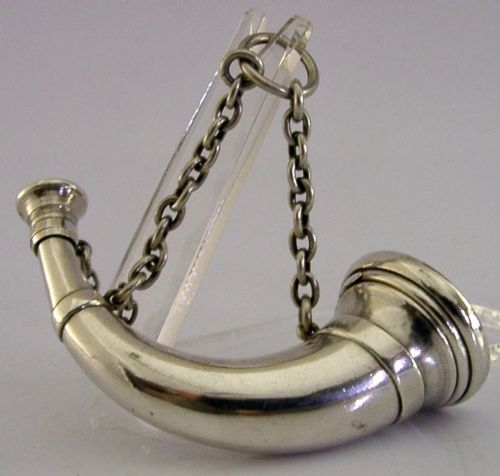
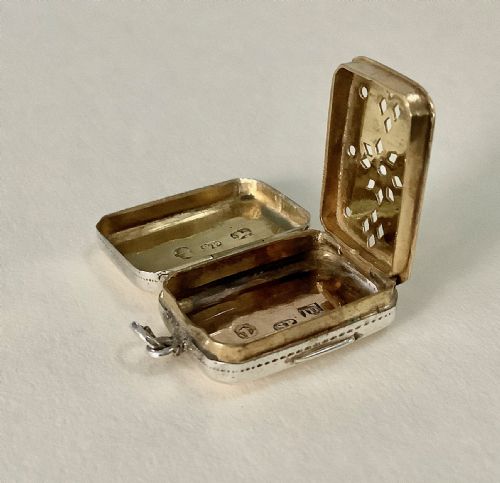
Silversmiths utilised sterling silver and silver gilt to shape flasks, hunting horns, and novelty fish vinaigrettes, often incorporating intricate pierced grilles within the lids. Glassmakers produced scent bottles and black glass vessels, sometimes adding aventurine inclusions or pairing the glass with guilloche enamel.
Carvers shaped organic materials such as tortoiseshell, fruitwood treen, and nephrite or spinach jade into miniature snuff bottles and holders. These varied techniques combined metalwork, glassblowing, and precision carving to create functional pieces of art.
Antique Perfume Container Retail Price Guide 2026
Typical asking prices for perfume container among the pieces listed under this phrase on Sellingantiques today, from the lower quarter to the upper quarter. They describe what is for sale here now, not the wider market.
Materials represented in the inventory include sterling silver, silver gilt, glass, leather, tortoiseshell, fruitwood, and spinach jade.
What varies in quality
The distinction between standard examples and superior pieces rests on the complexity of the design and the execution of the material. Novelty items, such as articulated fish vinaigrettes or hunting horn containers, demonstrate greater sculptural ambition than standard cylindrical flasks.
Material rarity and decorative detail also elevate an object. Hand-carved jade with double chambers or pieces featuring finely preserved tortoiseshell and guilloche enamel represent a higher tier of craftsmanship compared to simpler glass or plain silver containers.
SAMPSON MORDAN·John Bettridge·Pemberton·Goldsmith's and Silversmith's Co.
The Antique Perfume Container Glossary
- Vinaigrette
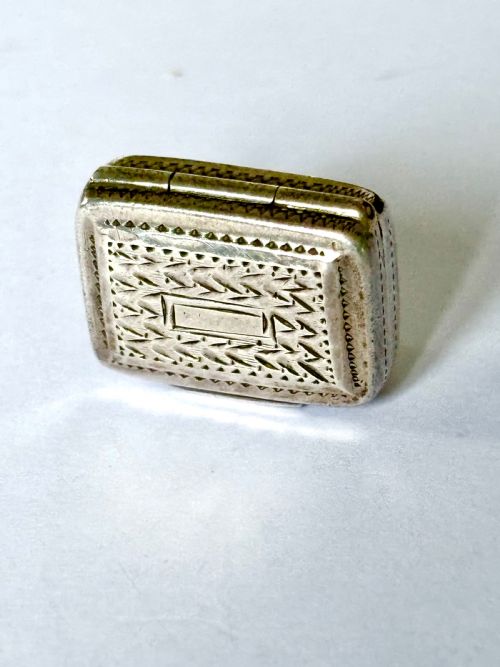
- A small ornamental box featuring an internal pierced grill, designed to hold a sponge soaked in aromatic vinegar or smelling salts. These items were popular during the Georgian and Victorian periods for warding off unpleasant odours.
- Guilloche enamel
- A decorative technique where a precise, intricate pattern is mechanically engraved into a metal surface beneath a translucent layer of enamel. This finish frequently appears on Edwardian and later vanity jars and lidded containers.
- Treen
- Small handmade wooden household objects and personal items created by turning on a lathe or carving. Fruitwood treen containers often housed delicate glass scent bottles inside.
- Silver gilt
- Sterling silver that has been coated with a thin layer of gold on its surface. This treatment provided a rich interior finish for vinaigrettes and scent flasks.
- Aventurine
- A form of glass containing shimmering metallic inclusions, often copper flakes, suspended within the material. Venice produced notable examples of black glass incorporating this technique during the late nineteenth century.
Antique Perfume Container: Frequently Asked Questions
What is a vinaigrette?
A vinaigrette is a small container with a perforated internal grill that held a vinegar-soaked sponge. People carried them to revive themselves or mask foul odours in crowded spaces.
These pieces often double as miniature sculptures, taking forms such as hunting horns or fish during the Georgian and Victorian eras.
How do I date a silver container?
Silver containers can often be dated through hallmarks stamped onto the metal. These marks indicate the assay office, the year of manufacture, and the maker.
Makers such as Sampson Mordan or John Bettridge left specific stamps that help place pieces securely within the nineteenth century.
Were snuff bottles used for perfume?
Snuff bottles originated to hold powdered tobacco, but certain carved stone and glass examples served alternative roles for aromatics. Qing Dynasty jade vessels demonstrate fine carving traditions adapted for personal containers.
Collectors appreciate these bottles for their miniature scale and the skill required to hollow out hardstones like spinach-green jade.
How should I display antique scent bottles?
Antique scent bottles and containers benefit from stable environments away from direct sunlight and extreme humidity. Placing them in enclosed cabinets protects delicate materials like tortoiseshell and guilloche enamel.
Grouping items by material, such as silver travelling trios or jade snuff bottles, highlights their varied historical periods and manufacturing techniques.