



Antique Perfume Bottle Holder
These antique perfume bottle holders are crafted to carry and display precious scents, offering a glimpse into Georgian, Victorian, and Edwardian dressing habits.
Antique Perfume Bottle Holder
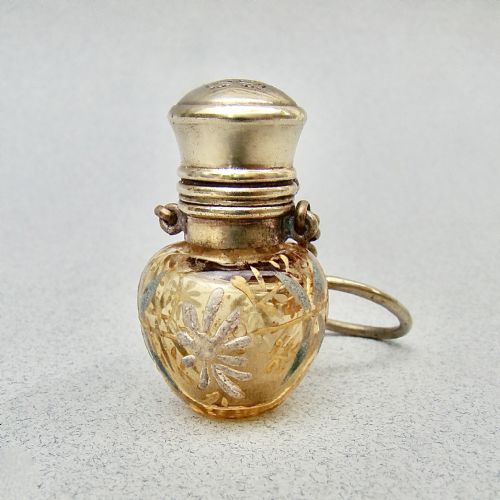
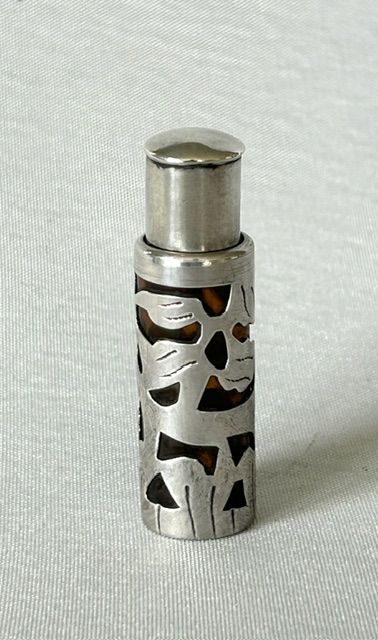
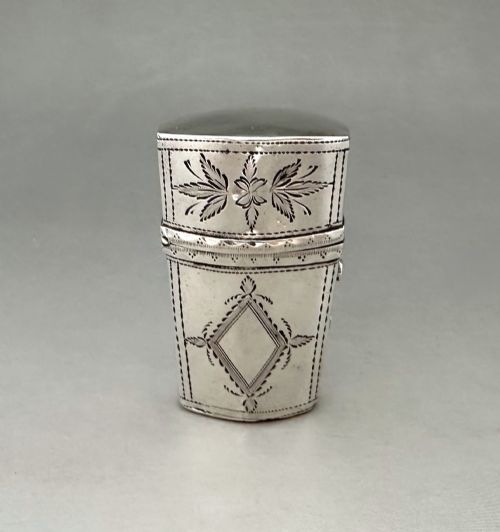
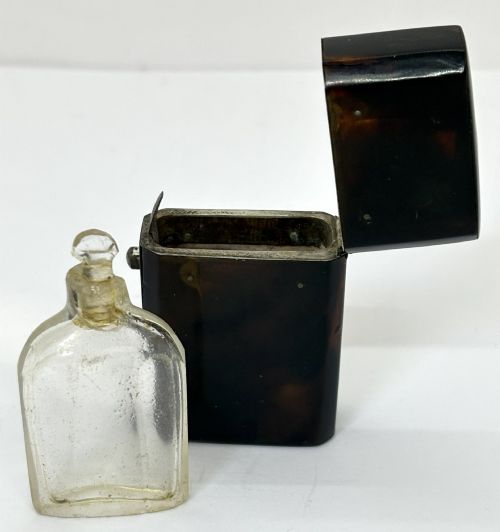
When you search for an antique perfume bottle holder, you are looking at small, portable vessels and fitted cases designed to safeguard personal fragrance. The examples you meet on this page span Georgian, Victorian, and Edwardian periods, appearing as fitted leather or tortoiseshell holders, chatelaine flasks, and silver-cased scent bottles.
The selection ranges from simple brass perfume boxes and double-end glass bottles to elaborate novelty fish vinaigrettes and amber-set silver pieces. These items served a daily purpose on dressing tables or suspended from chatelaine hooks during carriage rides and evening calls.
Moser glass, silver gilt, and fitted silk interiors appear frequently among the forms recorded here. Collectors encounter both standalone scent bottles and protective outer holders made to preserve fragile glass from the rigours of travel.
How they were made
Silversmiths shaped sterling silver and brass into hinged cases and protective sleeves, often incorporating intricate pierced work or smooth casings. Glass blowers formed coloured and clear vessels, sometimes casing them in metal frames or layering them with enamel.
Tortoiseshell and leather formed sturdy outer walls for delicate inner flasks, lined with silk and velvet to cushion the glass. Artisans also employed gilding and articulated metalwork, as seen in novelty fish designs that required precise mechanical joints.
Antique Perfume Bottle Holder Retail Price Guide 2026
Typical asking prices for perfume bottle holder among the pieces listed under this phrase on Sellingantiques today, from the lower quarter to the upper quarter. They describe what is for sale here now, not the wider market.
Some Victorian silver fish managed to keep their smelling salts hidden inside an articulated jaw.
What varies in quality
The distinction between standard items and superior examples lies in the execution of the metalwork and the preservation of internal linings. Finer pieces demonstrate crisp hallmarks, tight-fitting hinges, and hand-cut glass or tortoiseshell rather than plain stamped construction.
Artistry in novelty forms and specialised materials such as Moser glass or amber elevates certain pieces above standard utility wares. The integration of original silk linings and well-preserved gilding indicates a higher standard of original manufacture.
Horton & Allday·G H James & Co·Sampson Mordan
The Antique Perfume Bottle Holder Glossary
- Chatelaine
- A decorative belt hook worn with suspended chains carrying everyday items like scent bottles. This accessory allowed women to keep essential fragrance close at hand during social visits.
- Vinaigrette
- A small metal box containing a sponge soaked in aromatic vinegar. These pieces feature internal pierced grilles to release scent gently while masking unpleasant odours.
- Silver Gilt
- Silver that has been coated with a thin layer of gold on the surface. This technique provides the rich appearance of solid gold while utilising a silver base.
- Double End
- A scent bottle design featuring compartments at both extremities for holding two different fragrances. These bottles often incorporate hinged caps at each side.
Antique Perfume Bottle Holder: Frequently Asked Questions
How did Victorians use scent bottles?
Victorians carried scent bottles on chatelaines or kept them on dressing tables to combat unpleasant odours and refresh the senses in crowded rooms. Strong fragrances were also used to revive someone feeling faint.
Double-end bottles allowed owners to carry two distinct perfumes in a single compact vessel during outings.
Are these bottles made of solid silver?
Many examples are fashioned from sterling silver or feature silver casing over glass, often bearing English hallmarks that indicate the assay office and year of creation. Some items utilise silver gilt, applying a gold wash over the silver structure.
Other variations incorporate brass, leather, silk, and coloured glass alongside the precious metal components.
How do I date an antique scent bottle?
Dating relies heavily on legible hallmarks, maker marks, and stylistic clues typical of Georgian, Victorian, or Edwardian design periods. Novelty shapes and specific glass types like Moser also help narrow down the period of manufacture.
Comparing construction techniques, such as hinge styles and interior silk linings, provides further confirmation of age.